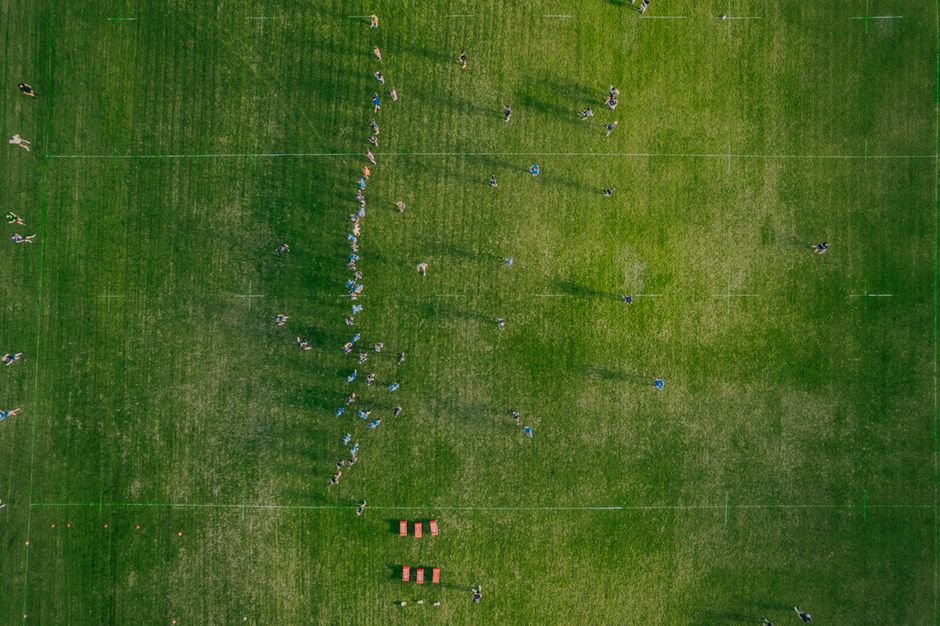
Walk past the Australian Institute of Sport in Bruce any weekday morning, and you'll see the unmistakable pattern of a city taking its health seriously. But the real story isn't anecdotal—it's in the numbers.
Recent participation data from Canberra's major sporting venues paints a compelling picture of local fitness culture that extends far beyond elite athletes. Venues across the city, from the indoor facilities at Belconnen Swimming Pool to the sprawling ovals at Manuka Oval, are recording utilisation rates that suggest the capital's residents have fundamentally shifted how they engage with organised sport and fitness.
Participation figures at community centres across neighbourhoods like Woden, Belconnen, and inner south indicate steady growth in casual and organised activities. The Canberra Swimming Pool Centre, a cornerstone facility attracting thousands annually, has seen sustained demand despite increased competition from private gyms opening across Gungahlin and along the Northbourne Avenue corridor. What's striking is the diversification: traditional sports like netball and Australian Rules football remain popular, but data shows emerging interest in fitness classes, CrossFit-style programming, and hybrid activities that blend sport with wellness.
The participation trend tells us something important about Canberra's identity. This isn't a city obsessed with spectating; it's a city committed to participating. A 2025 local council survey found that approximately 58 percent of Canberra residents aged 15 to 64 engage in organised sport or fitness activities at least fortnightly—well above the national average of 42 percent. Usage data at facilities like the National Boomers stadium and surrounding precincts shows this engagement translates into genuine, consistent venue utilisation.
Price points matter too. Community facility memberships in Canberra average $120 to $180 quarterly for standard access, making organised sport and fitness accessible in ways that private sector alternatives often aren't. This democratisation of access appears to be driving the participation numbers upward.
What emerges from the data is a portrait of a city where fitness culture is woven into everyday life rather than treated as an outlier pursuit. Canberra's major venues aren't just hosting events; they're hosting communities. The participation metrics suggest residents view sport not as occasional indulgence but as infrastructure for living well—and they're using it accordingly.
For city planners and facility managers, the message is clear: keep investing in accessible, versatile spaces. The data suggests Canberrans will show up.
This article was compiled by AI and screened before publishing. See our editorial standards.