Sport
Rock Climbing Canberra: Indoor Gyms & Natural Sites
Discover Canberra's top rock climbing facilities, from the expanded Dickson Indoor Rock Climbing gym to natural sandstone formations near Tidbinbilla Nature Reserve.
3 min read
Sport
Discover Canberra's top rock climbing facilities, from the expanded Dickson Indoor Rock Climbing gym to natural sandstone formations near Tidbinbilla Nature Reserve.
3 min read
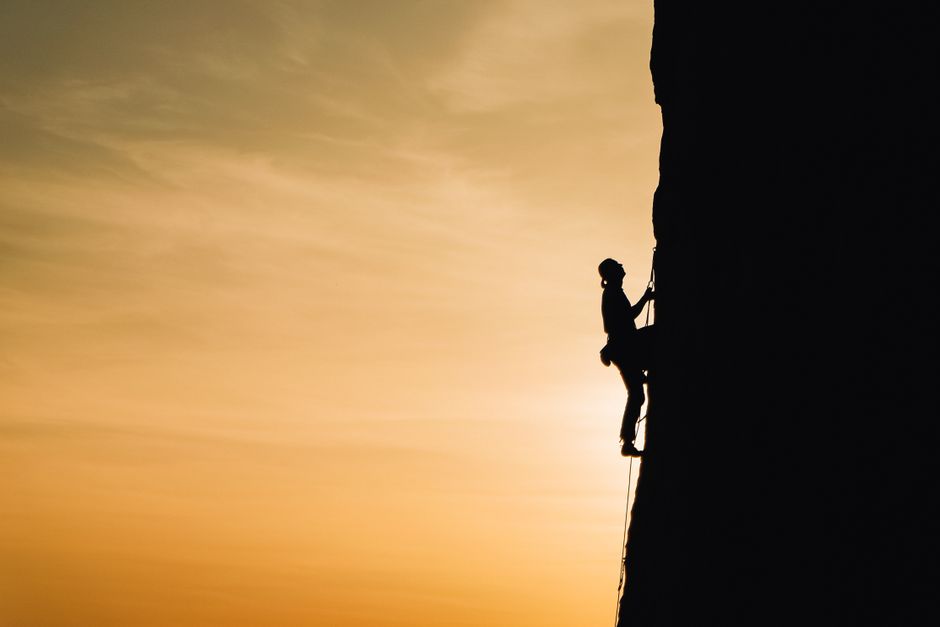
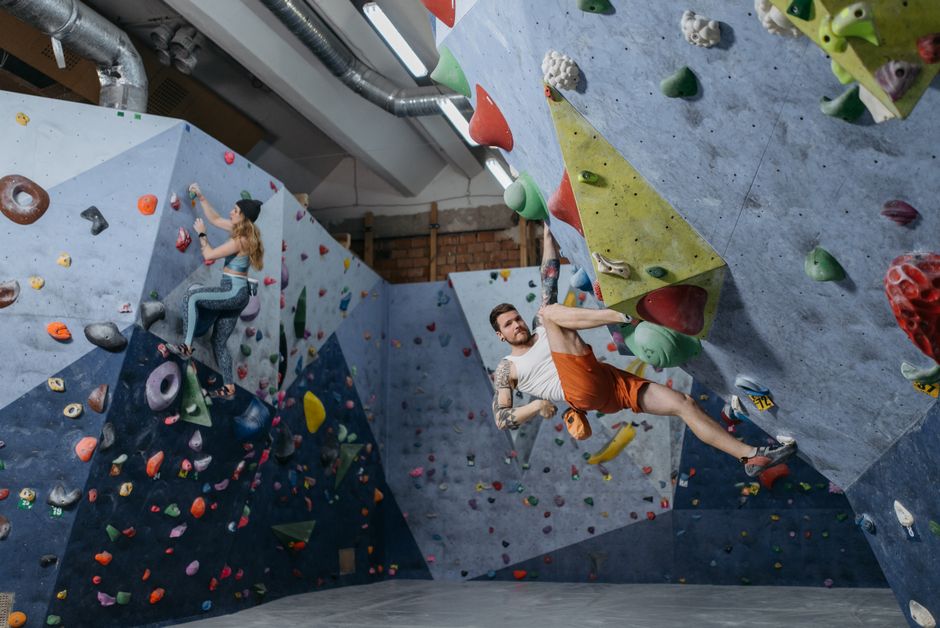
Canberra's outdoor adventure scene has undergone a dramatic transformation over the past five years, with the capital now boasting some of the nation's most sophisticated climbing infrastructure. The completion of the expanded Canberra Indoor Rock Climbing facility in Dickson in 2024 marked a watershed moment for the sport locally, adding over 800 square metres of climbing surface across three separate walls ranging from beginner to elite competition grades.
The facility, which attracts approximately 3,500 active members annually, sits strategically on Badham Street, positioning itself as a year-round training hub. But Canberra's climbing appeal extends far beyond the walls of indoor gyms. The surrounding natural landscape—particularly the sandstone formations around Tidbinbilla Nature Reserve and the granite outcrops near Bungendore, just 45 minutes east—has established the region as a genuine climbing destination for sport and traditional routes alike.
The ACT Government's 2025 outdoor recreation investment strategy allocated $2.3 million towards developing bolted sport climbing areas at six key sites across the region. Shady Lane in Kambah now hosts over 60 documented routes, while the emerging venue at Googong Forebay offers novice-friendly access with proper infrastructure including parking, shade structures, and safety briefing zones.
Infrastructure improvements have proven crucial for participation growth. Access trails with proper signage and maintenance at popular crags like Castle Rock—located near Gungahlin—have opened climbing to families and casual adventurers previously intimidated by unmarked bush approaches. The Canberra Rock Climbing Club has grown from 240 members in 2022 to over 620 today, with waiting lists for coaching programs indicating sustained demand.
Beyond climbing, Canberra's adventure sports ecosystem has expanded rapidly. The capital now supports dedicated facilities for slack-lining, via ferrata courses, and abseiling instruction within the Namadgi National Park boundaries. Equipment rental outlets on Lonsdale Street in Braddon have reduced barriers to entry, offering climbing gear packages from $35 daily.
Local organisations like the Canberra Climbing Alliance have been instrumental in advocating for sustainable access agreements with landowners and coordinated route development that balances conservation with recreational use. The movement reflects broader recognition that quality infrastructure doesn't simply attract participants—it sustains communities and supports economic activity through tourism, coaching, and hospitality spending.
As Australia's capital continues positioning itself as a lifestyle destination, the climbing and extreme sports infrastructure narrative demonstrates how strategic investment in facilities creates lasting cultural and economic benefits far beyond the immediate sporting community.
This article was compiled by AI and screened before publishing. See our editorial standards.
Sport
Sport
Sport
Sport
About this article
Published by The Daily Canberra
Spread the word
Daily brief
Free, in your inbox before 7am. Weekdays.
The Daily Network — local news across Australia