On any given Saturday morning, the carpark at Ace of Spades Reserve in Belconnen fills with weathered road bikes and transition gear by 6 a.m. There's no sponsorship banner, no corporate signage—just 40-odd members of the Canberra Cycling Club preparing for a 90-kilometre loop through the Southern Tablelands. This scene, replicated across dozens of suburbs, tells the real story of how Canberra became an endurance sport powerhouse.
The city's running, cycling and triathlon boom wasn't engineered by government sports strategy or major investment. It emerged organically from communities. The Canberra Running Festival, now attracting 8,000 participants annually, began in 2011 as a neighbourhood initiative. Today, weekly parkrun events at locations from Stromlo Forest Park to Tuggeranong's Lantana Reserve engage over 2,000 locals monthly—completely free.
"The magic happens at grassroots level," explains the volunteer coordinator network managing these programmes. Club memberships across running (Canberra Runners Club, Southside Harriers) and cycling (Canberra Cycling Club, Road Cycling Club ACT) range from $60 to $150 annually, making participation genuinely accessible. Local triathlon clubs operate similarly, with training sessions run by volunteers in pools at the University of Canberra and community centres rather than exclusive facilities.
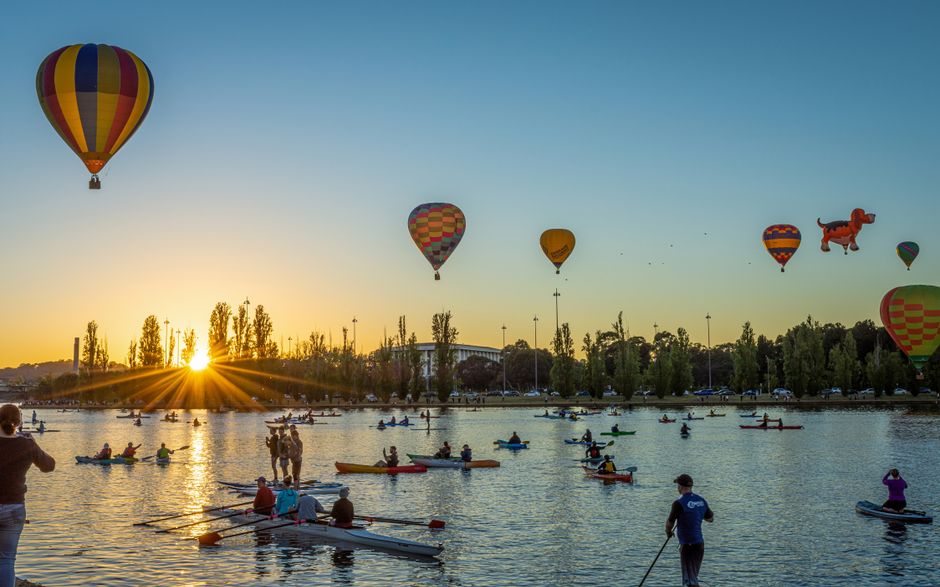
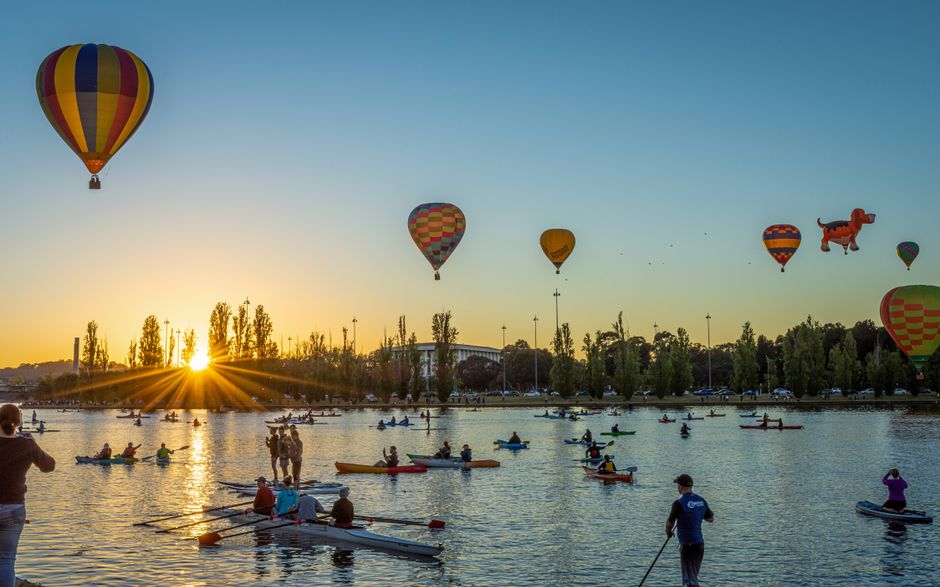
Participation data reveals the scale. Canberra's 460,000 residents have produced over 12,000 registered triathlon competitors and running club members—a participation rate that outpaces several Australian capitals. The Lake Burley Griffin circuit, spanning 5.7 kilometres, has become iconic, but it's the neighbourhood networks—WhatsApp groups, Strava clubs, Facebook pages—that actually drive engagement.
Infrastructure has evolved to match demand. The Canberra Cycling Network now spans over 500 kilometres of paths, yet volunteers remain crucial. Trail maintenance groups and event marshals are unpaid. The Canberra Triathlon Club operates without a dedicated facility, coordinating training across public pools and open water at Googong Reservoir.
Recent years have seen momentum accelerate. Participation in endurance sport events has grown 35 per cent in the past three years, with emerging talent from these grassroots networks now competing nationally. Local cycling clubs have produced ACT representatives at national championships; running clubs regularly field competitors at Australian half-marathons.
What started as informal running groups and weekend bike rides has matured into a self-sustaining movement. Canberra's endurance sport culture thrives not because of elite infrastructure, but because volunteers understood something fundamental: communities don't need permission to compete. They just need each other.
This article was compiled by AI and screened before publishing. See our editorial standards.