Walk through the neighbourhoods surrounding Canberra Stadium on game day, and you'll witness a transformation that extends far beyond the playing field. The 25,000-capacity venue in Bruce has become the heartbeat of a sporting renaissance, with local clubs reporting unprecedented membership growth and community engagement over the past two years.
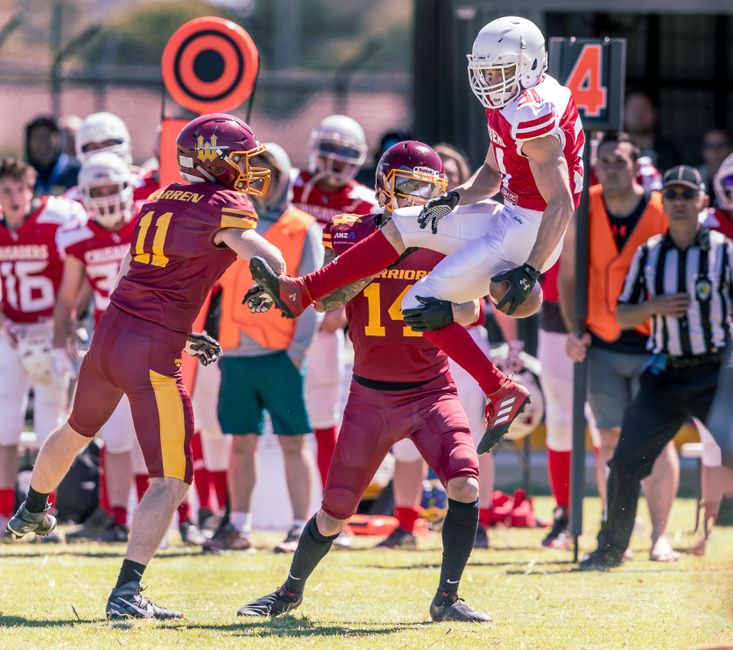
The ACT Brumbies have led this charge, capitalising on upgraded facilities and enhanced spectator experiences to grow their grassroots participation by 34 per cent since 2024. But the story isn't confined to rugby union. Canberra United, the region's A-League Women side, has similarly leveraged their home at the stadium to build a dedicated supporter base, with attendance figures climbing steadily as the club invests in community programs across inner Canberra suburbs like Braddon and Turner.
"Local clubs are no longer just tenants at major venues," explains one Canberra sports administrator. "They're architects of community identity." This shift is evident in the strategic partnerships emerging across the capital. Venues like the AIS (Australian Institute of Sport) precinct in Bruce have become hubs for multi-sport collaboration, hosting everything from Canberra Raiders development squads to local netball and basketball programs.
The economics are compelling. Average ticket prices for Brumbies matches hover around $45 for general admission, with family packages at $120—deliberately pitched to encourage repeat attendance. Meanwhile, grassroots clubs report that upgraded stadium infrastructure has enabled them to host larger events, generating additional revenue streams through hospitality and merchandise.
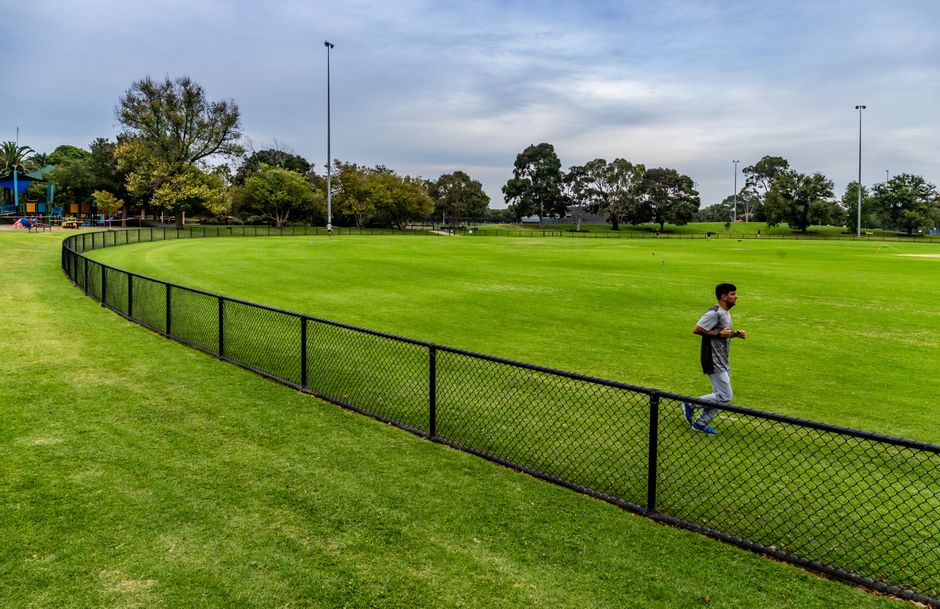
Manuka Oval, Canberra's other major sporting venue, has similarly capitalised on this momentum. The iconic ground in Griffith continues to host ACT cricket and AFL matches, while also serving as a focal point for community cricket competitions that draw hundreds of participants from suburbs across the city.
What's particularly striking is the knock-on effect. As stadium-based clubs thrive, they're investing in satellite facilities and development programs in outer suburbs like Gungahlin and Weston Creek, ensuring that sporting opportunity isn't concentrated in the inner city.
Looking ahead, the major international events scheduled for Canberra over the coming years—including potential World Cup infrastructure upgrades—promise to amplify this trajectory. Local clubs are positioning themselves not as passive beneficiaries of these investments, but as active custodians of Canberra's sporting future, building organisations that will endure long after the global spotlight moves on.
This article was compiled by AI and screened before publishing. See our editorial standards.