Canberra's sporting landscape has undergone a quiet transformation over recent years, with local clubs discovering that world-class venues don't just attract headline events—they anchor communities and inspire grassroots participation.
Take the Canberra Stadium in Bruce, which has long served as the spiritual home for rugby league and AFL. Recent facility upgrades have prompted surrounding clubs to expand programming, with local rugby league outfits reporting membership increases of up to 18 per cent since 2023. The upgraded amenities have made weekend competitions more accessible to families, with junior development programs now running continuously from May through September.
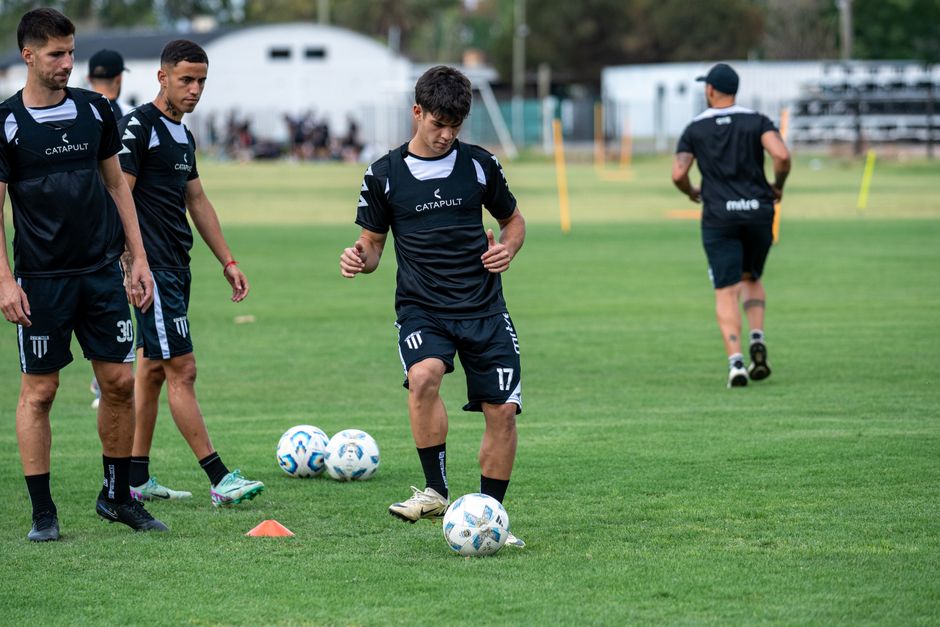
But the real story extends beyond the major grounds. Across Braddon, Turner, and O'Connor, smaller neighbourhood clubs are experiencing a resurgence by positioning themselves as cultural anchors rather than mere sporting venues. The Canberra District Soccer Association, which oversees more than 60 affiliated clubs across the region, has seen junior registrations climb steadily as local grounds have received investment in lighting, changerooms, and spectator facilities.
"Community clubs thrive when infrastructure meets accessibility," explains the philosophy underpinning initiatives across the territory's grassroots networks. Venues like the Gungahlin Sports Complex have become genuine hubs—hosting not just competitions but social events, skill clinics, and school partnerships that deepen connections to local neighbourhoods.
The economics matter too. A typical junior membership at established clubs now ranges from $150 to $280 annually, positioning sport as genuinely affordable for families across diverse income levels. Senior competition structures have expanded, with women's competitions particularly benefiting from renewed facility investment and dedicated programming.
What's particularly striking is the cross-pollination effect. Improved venues have encouraged clubs to collaborate on shared facilities, reducing costs while expanding services. Multi-sport complexes across Canberra now host everything from basketball and netball to Australian rules football and cricket, creating genuine community gathering spaces.
As major international events continue circulating through Australia's capital cities, Canberra's strength lies not in competition for headline fixtures but in the sustained, intelligent development of local infrastructure. When a teenager can access quality coaching in their neighbourhood, when families have affordable Saturday-morning options, when clubs become genuine social institutions—that's when sporting culture truly embeds itself in community fabric.
The 2026 landscape suggests this trajectory will only accelerate, with further planned upgrades to suburban grounds already attracting community consultation and volunteer engagement across the territory.
This article was compiled by AI and screened before publishing. See our editorial standards.