When the Canberra Climbing Collective topped the podium at last month's Australian Sport Climbing Championships in Melbourne, few outside the tight-knit climbing community took notice. But for the dozen athletes and coaching staff based across the capital's climbing gyms and outdoor crags, the victory represents something far more significant than medals: it's validation that Canberra has evolved from weekend warrior territory into a genuine breeding ground for elite climbers.
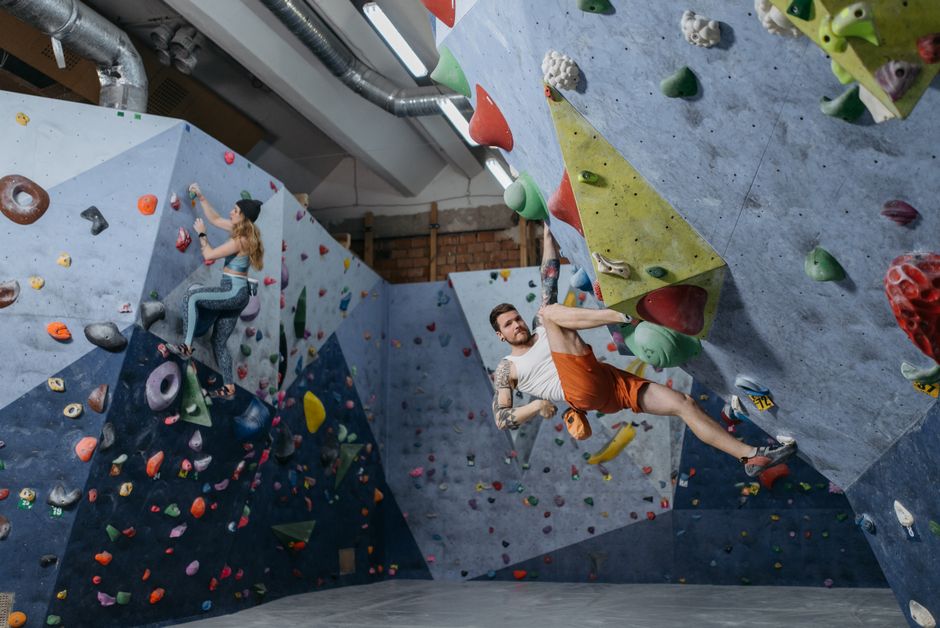
The collective's success comes at a curious moment for outdoor adventure sports in the ACT. While mainstream attention remains fixated on traditional codes, climbing—particularly competitive sport climbing—has quietly exploded. The Canberra Climbing Collective, formally registered in 2023, now operates across three primary venues: the Mount Ainslie Adventure Hub, the Dickson Community Centre climbing wall, and increasingly, the natural sandstone formations dotting the Brindabella Ranges.
"We've gone from being hobbyists meeting at local crags to running structured competition programs," says the collective's coordinator, who preferred to remain unnamed. "The jump in participation over three years has been extraordinary." Current membership sits at 147 active climbers, with another 80 in youth development programs—a five-fold increase since 2024.
The economics are shifting accordingly. Entry-level gym memberships in Canberra run between $65–$95 monthly, undercutting Sydney and Melbourne facilities. Training camps in the Brindabellas cost $240–$320 for weekend intensives. This accessibility has democratised access to serious training.
What distinguishes the collective isn't merely numbers. Their coaching framework, developed in partnership with Sport Australia and overseen by internationally credentialed instructors, emphasises progression across boulder, lead, and speed disciplines simultaneously. This multi-faceted approach mirrors strategies working elsewhere in elite climbing circles—a disciplined methodology proving far more effective than pure recreational climbing.
The national title came in the team category, where athletes competed across combined disciplines. Three collective members also qualified for individual finals, with one securing a top-five placing in lead climbing.
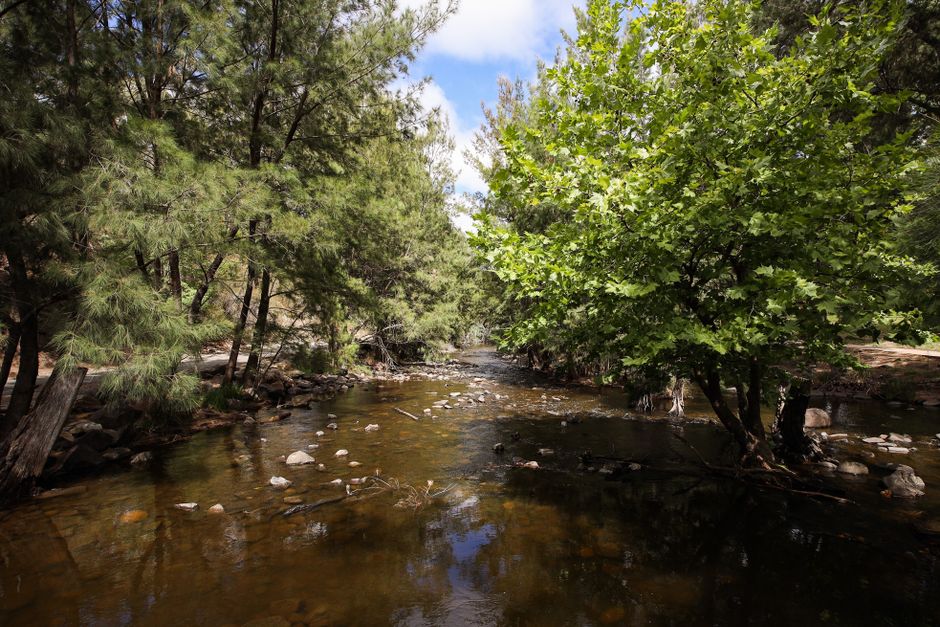
Canberra's climbing culture extends beyond the collective. The city's natural advantage—proximity to world-class outdoor formations like those at Tidbinbilla and the Danger Zone sector—provides training grounds rivals struggle to access. Weather patterns favour climbing year-round, with spring and autumn conditions nearly perfect.
As the collective eyes the 2027 World Sport Climbing Championships qualifying window, momentum builds. Sponsorship inquiries from local businesses have increased. The ACT Government's recent $180,000 grant toward adventure sport facilities signals institutional recognition.
Canberra's climbing collective may not draw the same headlines as basketball or soccer. But for a capital building its sporting identity, they're demonstrating that excellence doesn't require established infrastructure—it requires community, commitment, and vertical ambition.
This article was compiled by AI and screened before publishing. See our editorial standards.