Canberra's fitness landscape has undergone a dramatic transformation over the past five years, with significant investment in both public and private infrastructure creating unprecedented opportunities for athletes and casual gym-goers alike. The shift reflects a broader recognition that world-class facilities are essential to building a thriving sport culture in Australia's capital.
The Australian Institute of Sport's purpose-built campus in Bruce remains the flagship anchor, but it's the proliferation of dedicated gyms, training hubs, and community sports centres that's reshaping how Canberrans approach fitness. Premium facilities like those clustered along Northbourne Avenue and in the Belconnen Town Centre now offer membership rates ranging from $15–$25 weekly, making strength training more accessible than ever. Meanwhile, the Canberra Olympic Pool precinct continues to serve competitive swimmers and water polo athletes, while the capital's indoor sports complexes in Woden and Tuggeranong have become hubs for functional fitness communities.
Data from local fitness operators suggests participation in structured gym training has increased by approximately 34 per cent since 2023, with particular growth in CrossFit-style conditioning and powerlifting programs. This trend mirrors national patterns but is amplified here by Canberra's younger demographic and professional workforce seeking stress-relief outlets.
The infrastructure supporting this growth extends beyond commercial gyms. The ACT Government's investment in community sport facilities—including recently upgraded synthetic courts at Dickson, refurbished changing facilities at Manuka Oval, and the expanded Canberra Sports Stadium—has created a comprehensive network. Local councils have prioritised accessibility, with most major neighbourhood centres now housing basic strength equipment alongside their traditional basketball and tennis facilities.
What distinguishes Canberra's approach is integration. The proximity of elite training facilities to grassroots community infrastructure means emerging athletes have clear pathways to higher-level competition. Young footballers, netballers, and track athletes training in Woden or along the sports precinct in Yarralumla can access coaching, strength conditioning, and competitive opportunities without leaving the city.
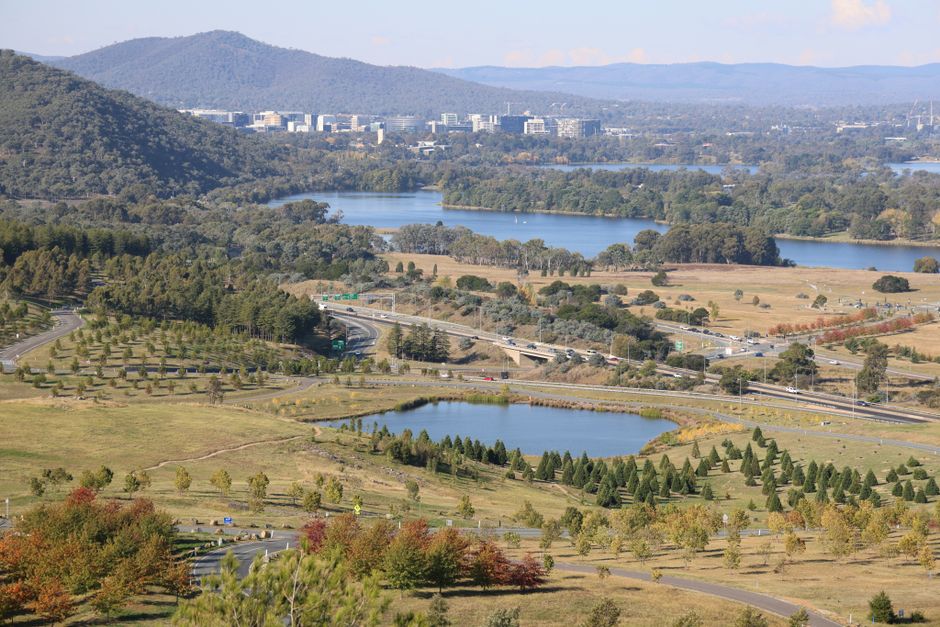
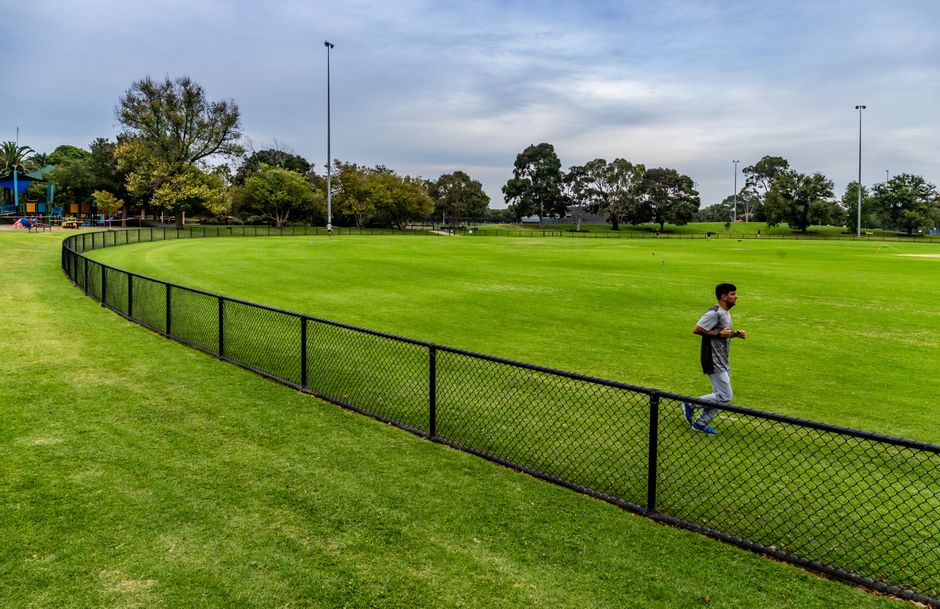
However, infrastructure alone doesn't drive culture. Local fitness communities have flourished through social media networks and word-of-mouth, with training groups regularly mobilising at dawn for bootcamp sessions around Lake Burley Griffin and the Canberra district parks. This blend of premium facilities and grassroots enthusiasm has positioned the capital as a genuine fitness destination within the region.
As participation continues climbing, venue operators and government bodies face the ongoing challenge of scaling infrastructure without compromising accessibility—a balance Canberra's sport community will need to navigate carefully in coming years.
This article was compiled by AI and screened before publishing. See our editorial standards.