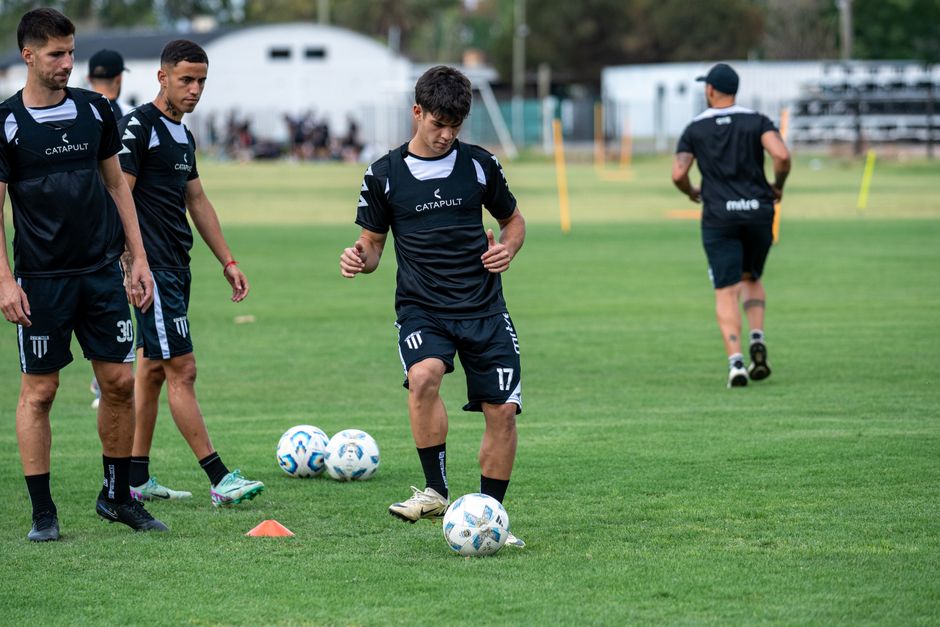
The numbers tell a story Canberra's sports clubs have long suspected: this city is experiencing a participation renaissance. Data from the ACT Sports Commission released this week reveals recreational league memberships have climbed 23 per cent over the past three years, with amateur netball, soccer, and touch football leading the charge.
For context, that growth rate outpaces the general population increase, suggesting Canberrans aren't just moving here—they're actively seeking community through sport once they arrive. "It's not about winning premierships," says the coordinator at one Belconnen-based futsal league, which has swelled from 18 to 31 teams in two seasons. "People are looking for structured fitness that doesn't feel like a gym membership."
The data becomes even more revealing when examined by demographic. Mixed-gender and over-35 participation categories have recorded the strongest growth, rising 34 per cent and 28 per cent respectively. That pattern suggests Canberrans aren't chasing elite pathways; they're chasing connection. Weekend five-a-side competitions in Tuggeranong and Woden now regularly fill their fixture lists months in advance, with waiting lists becoming common.
Cost remains accessible—most recreational league fees hover between $180 and $320 per season—yet affordability hasn't diluted quality. ACT Sports Commission data indicates 73 per cent of participating players rate their club experience as "excellent" or "very good," a figure largely driven by volunteer-run infrastructure and genuine community culture rather than flashy facilities.
The phenomenon extends beyond traditional team sports. Parkrun participation across Canberra's venues—particularly the popular Saturday 5K runs at Rond—has tripled since 2023, while community cricket clubs report their winter indoor league now requires lottery systems to allocate court time. Even niche pursuits like recreational badminton and squash are experiencing waiting list pressures.
Perhaps most telling: 41 per cent of current recreational league participants reported they'd abandoned formal gym memberships in favour of team-based activity. That's not merely a shift in fitness behaviour; it's evidence of Canberrans consciously prioritising social infrastructure alongside physical health.
As Canberra continues to grow and evolve, this participation surge suggests something valuable is happening at the grassroots level—one that transcends sport itself. When amateur leagues become the city's de facto third space, ahead of cafes and bars, you're witnessing a community actively choosing to belong.
This article was compiled by AI and screened before publishing. See our editorial standards.