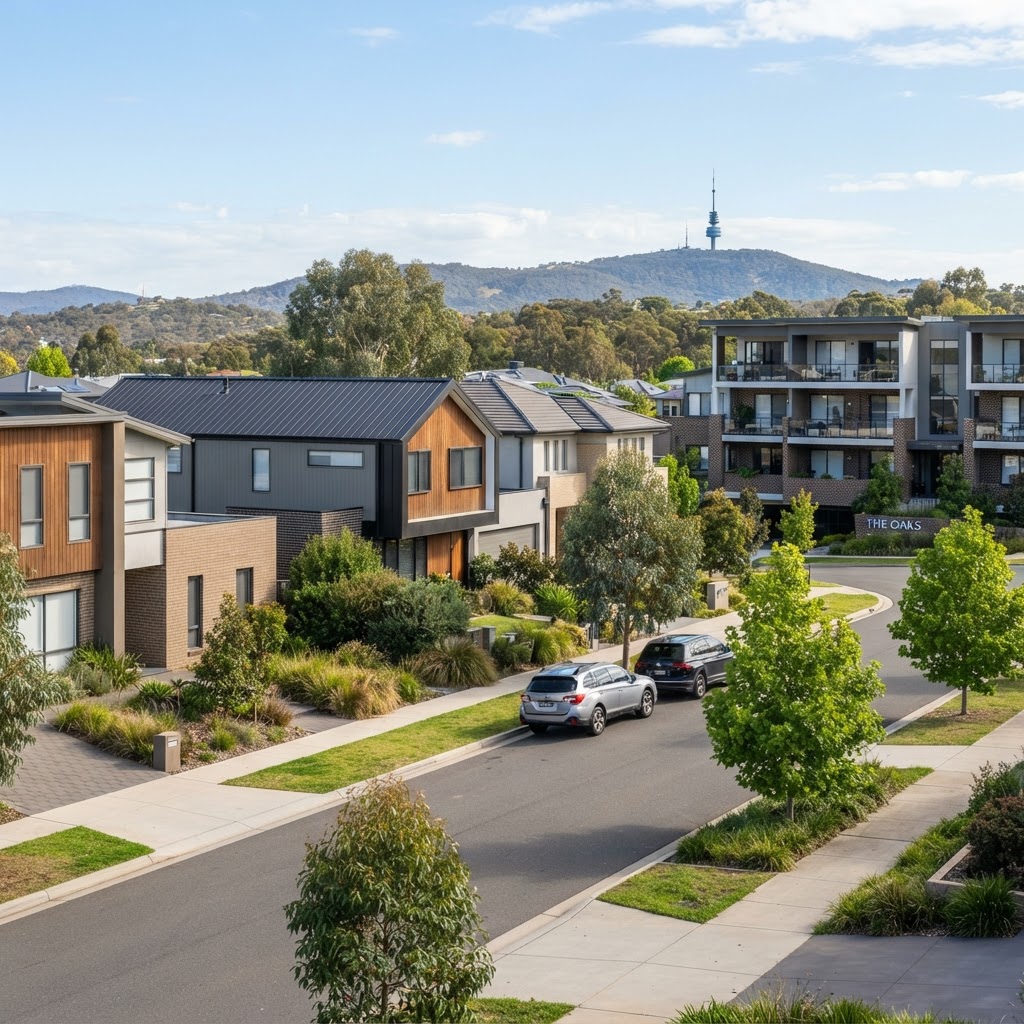
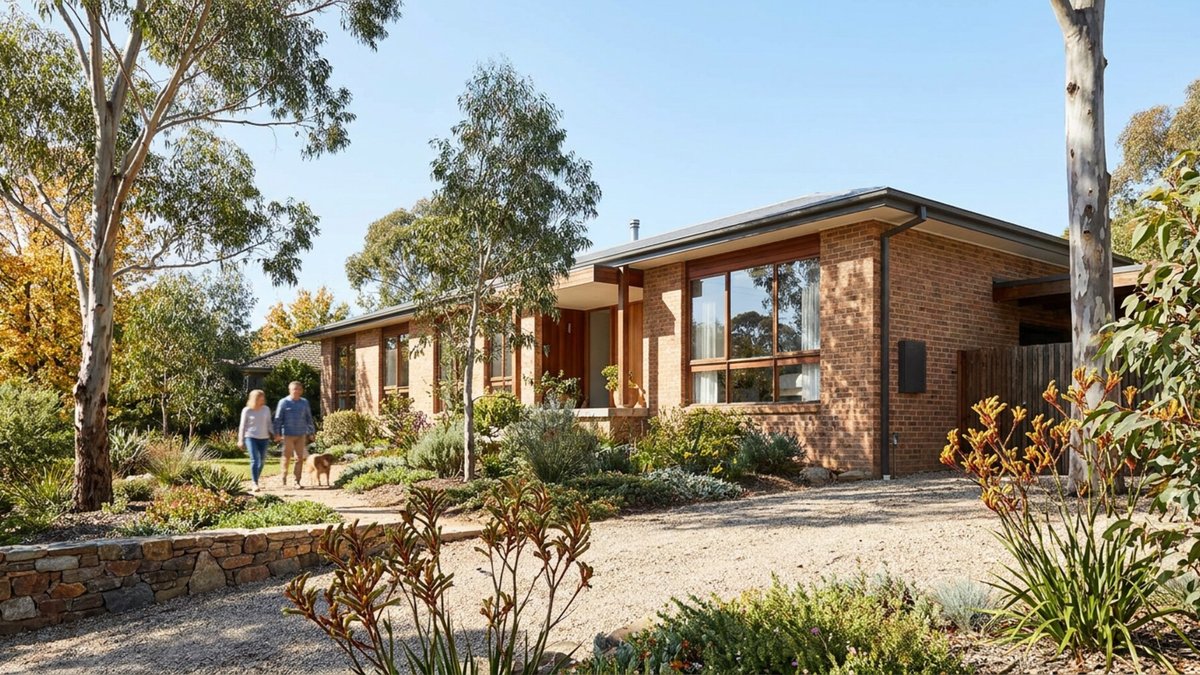
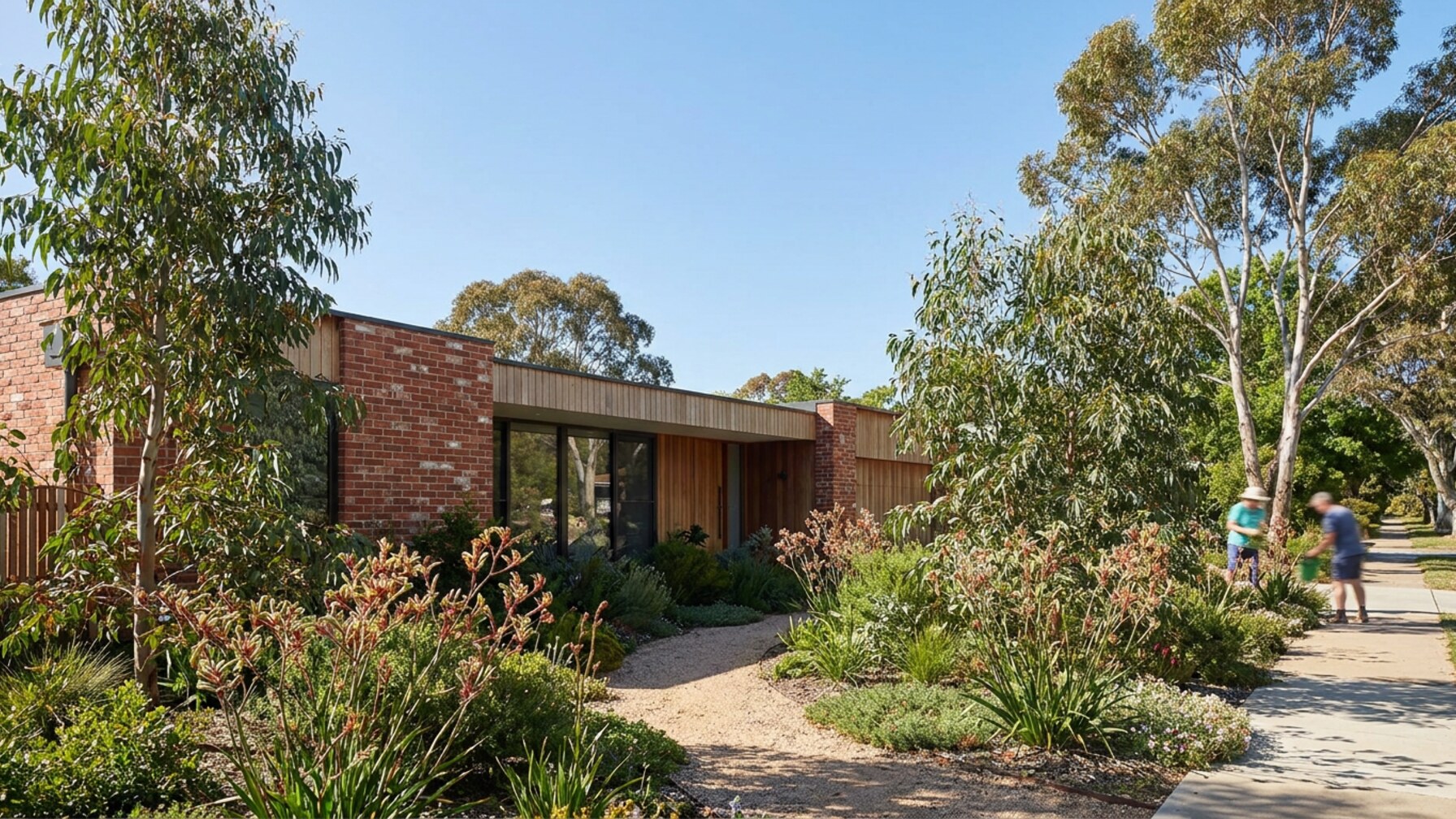
The ACT property market in mid-2026 is being shaped by two persistent forces: a public-sector workforce insulated from broader economic shocks and a housing supply that cannot keep pace with demand. The median house price sits at about $835,000, while apartment values remain lower but are also under upward pressure from low vacancy rates and steady population growth.
Why this matters now is straightforward. The typical Canberra buyer, often a public servant or contractor with stable federal employment, can rely on predictable income, which underpins borrowing capacity even as interest rates remain elevated. That stability, however, collides with an inventory shortage that has kept auction clearance rates around 65 percent, a level that suggests neither a runaway seller’s market nor a buyer’s market, but rather a tense equilibrium that favours vendors who price realistically.
The supply crunch in Gungahlin and Belconnen
Two growth corridors tell much of the story. In Gungahlin, new land releases have been slow to translate into completed dwellings, and the suburb of Bonner has seen multiple recent auctions with multiple bidders. Belconnen, meanwhile, draws buyers priced out of inner-north suburbs like Turner and O’Connor, where median house prices have climbed past $1 million. The shortage of available rental stock across the ACT, the vacancy rate has been below 1 percent for more than 18 months, is also pushing would-be renters into the purchase market earlier than they might otherwise choose.
The Real Estate Institute of the ACT has noted that consistent demand from government workers, combined with limited new supply, keeps upward pressure on prices even when national sentiment softens. Unlike markets in Melbourne or Sydney, where auction volumes can swing dramatically, Canberra’s clearance rate rarely dips below 60 percent for extended periods.
What buyers need to know now
The practical advice for buyers in this environment is unglamorous but critical. Pre-approval needs to be locked in before attending open homes, because properties in the $750,000-to-$850,000 range often sell within the first two weeks of listing. Auction conditions in the ACT require a cooling-off waiver, meaning winning bidders cannot back out without forfeiting deposit money, a rule that penalises those who bid without a clear sense of their financing.
For sellers, the current market rewards presentation and positioning. Homes that are priced within 5 percent of recent comparable sales tend to attract multiple bidders, while overpriced listings languish. The upcoming spring selling season, traditionally starting in September, will test whether the steady 65 percent clearance rate holds or shifts as more listings come online.
No one can predict exactly where prices will be at Christmas. But the fundamentals, a secure government workforce, limited new housing completions, and a rental market that leaves few alternatives, suggest that Canberra’s property market will remain resilient, if not exactly affordable, for the rest of 2026.
This article is general information only and is not personal financial or investment advice. Consider your own circumstances and seek licensed professional advice before making financial decisions.