Property
Council Planning Changes Set to Transform Density and Design Across Canberra
Updated ACT planning controls signal denser living and new design standards for suburbs including Gungahlin and Belconnen.
3 min read
Updated 7 h ago
Property
Updated ACT planning controls signal denser living and new design standards for suburbs including Gungahlin and Belconnen.
3 min read
Updated 7 h ago
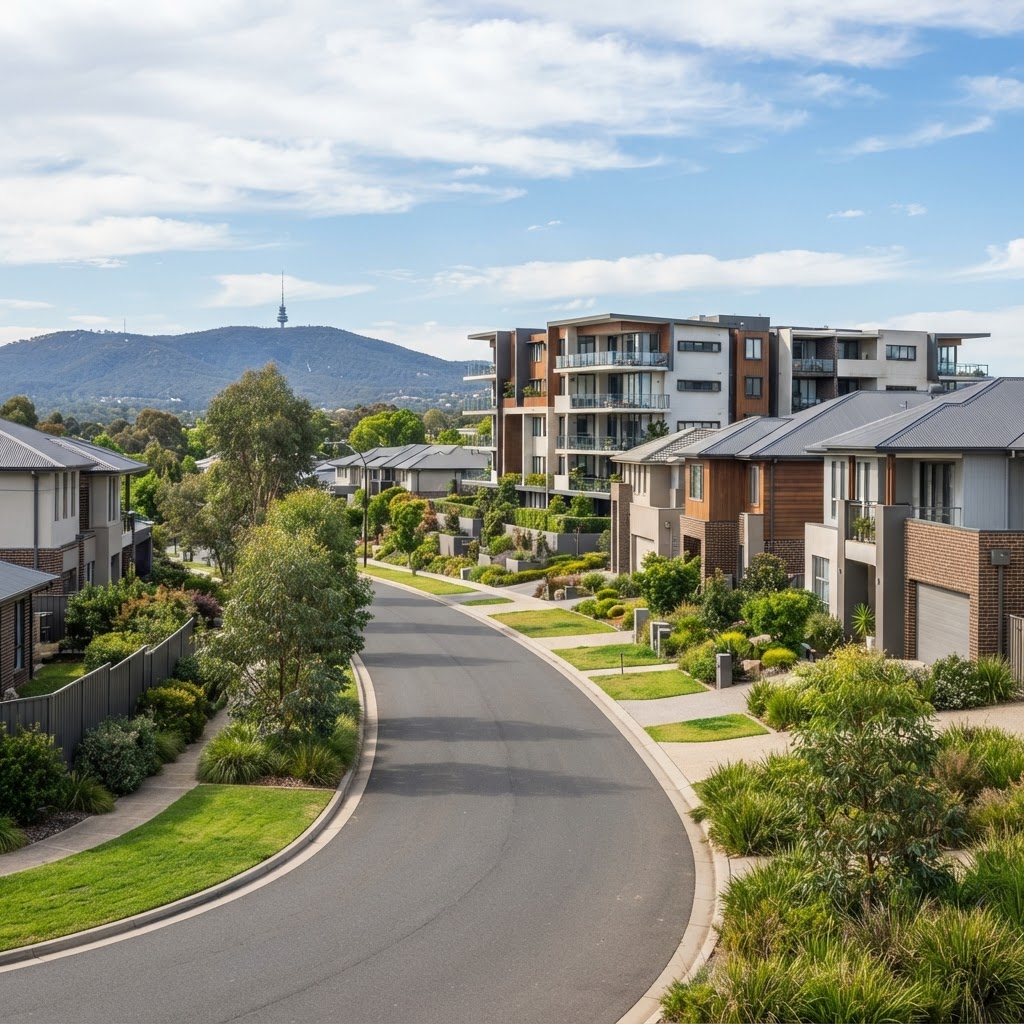
Canberra’s newest round of council-led planning changes are set to reshape the city’s residential landscape, with denser housing targets and tighter design requirements on the way for key growth corridors.
The ACT government’s updated Territory Plan, confirmed this week, comes as record-low rental vacancies and high demand from public service buyers continue to squeeze the local property market. With the city’s median house price now hovering around $835,000, buyers and renters alike are struggling to find options that suit their budgets and lifestyles. The changes are intended to support population growth while preserving green spaces and improving amenity.
Among the most-affected areas are Gungahlin and Belconnen, which have already seen a surge in medium and high-density projects, especially along corridors such as Flemington Road and around Westfield Belconnen. The new rules, outlined by the ACT Planning Directorate, focus on increasing density within walking distance of town centres, light rail stops, and main bus routes. They also bring in requirements for improved building sustainability and open space, which will apply to major new developments like the next stage of the "Strathnairn" precinct in Ginninderry, now in early planning according to Suburban Land Agency documents.
The new planning controls mean developers must deliver more comprehensive sustainability features, such as enhanced solar access and communal gardens, in addition to higher yields. Data from CoreLogic’s June 2026 auction report shows Canberra’s auction clearance rate averaging 65% over the last quarter, a sign that demand remains strong, even as supply lags. In rapidly transforming suburbs such as Lawson and Franklin, buyers face dwindling land releases as townhouses and walk-up apartments fill the skyline.
On-the-ground impact will vary by neighbourhood. In Braddon and Turner, changes allow taller mid-rise buildings on key avenues like Northbourne and Mort Street, provided they meet active street frontage standards and setbacks. Meanwhile, RZ1 (standard residential) zone relaxations in parts of Kaleen and Woden open the door for more dual occupancies and "missing middle" infill, subject to new design codes. The National Capital Authority’s oversight will continue to apply for projects close to major institutions or bushland buffers, setting further requirements for height and open space ratios.
The ACT Planning Directorate’s stated aim is to accommodate an expected 30,000 additional residents before the end of the decade, with estimates suggesting up to 7,000 new dwellings will be fast-tracked in the Belconnen-Gungahlin corridor alone by 2030.
Home seekers hoping for more choice may see benefits as denser, better-designed projects add supply, particularly near transit and major shopping hubs like Canberra Centre and Marketplace Gungahlin. Local architects and builders are preparing for a wave of project tenders reflecting the new standards. Prospective buyers should watch planning notices from the ACT Government’s Environment, Planning and Sustainable Development Directorate for updates on which blocks and precincts are impacted next. For owner-occupiers and investors, the key will be understanding what the new design codes require, from natural lighting to shared green space, before making a move in this evolving market.
This article is general information only and is not personal financial or investment advice. Consider your own circumstances and seek licensed professional advice before making financial decisions.
Property
Property
Property
Property
Property
Property
About this article
Published by The Daily Canberra
Spread the word
Daily brief
Free, in your inbox before 7am. Weekdays.
The Daily Network — local news across Australia