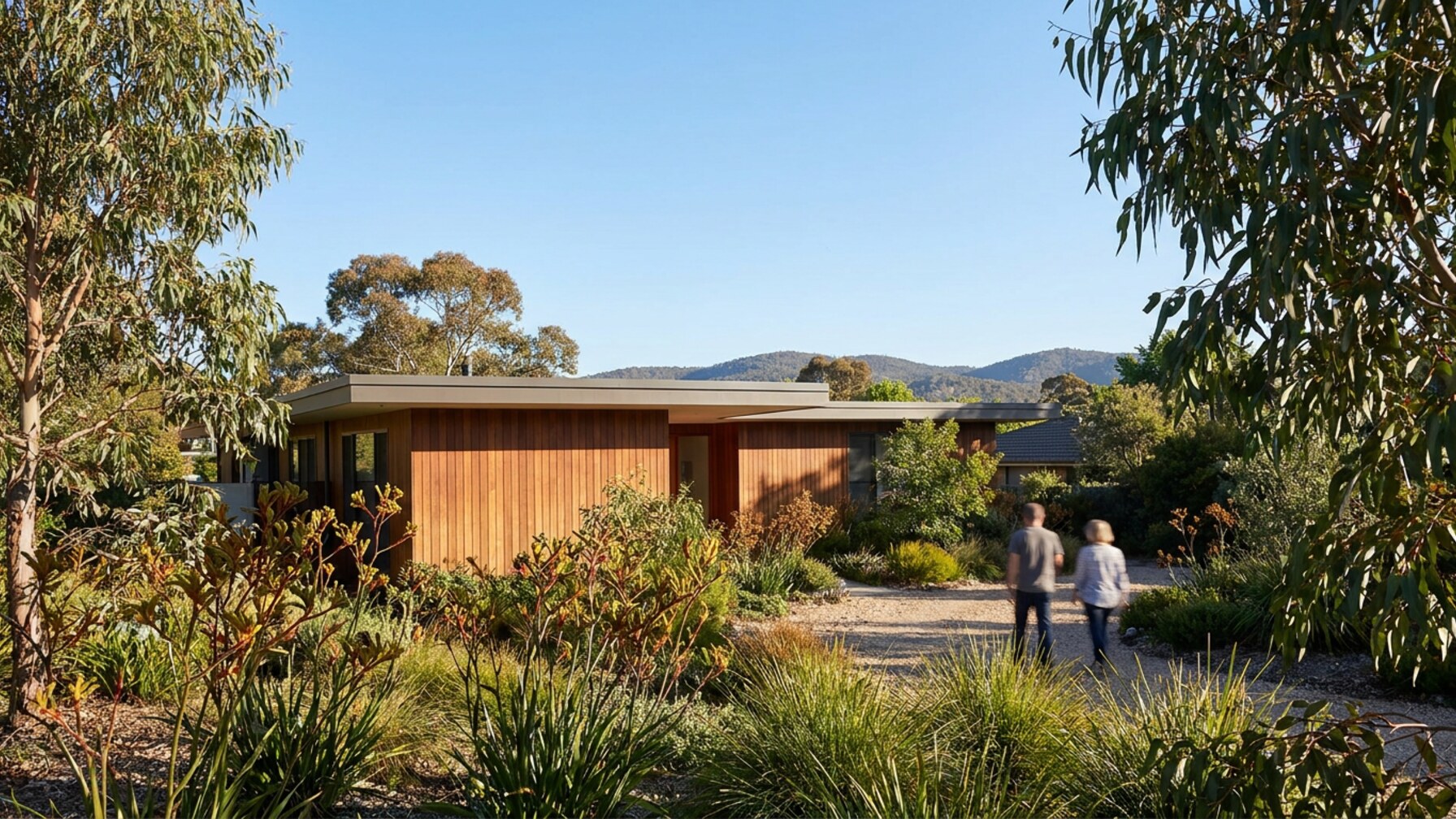
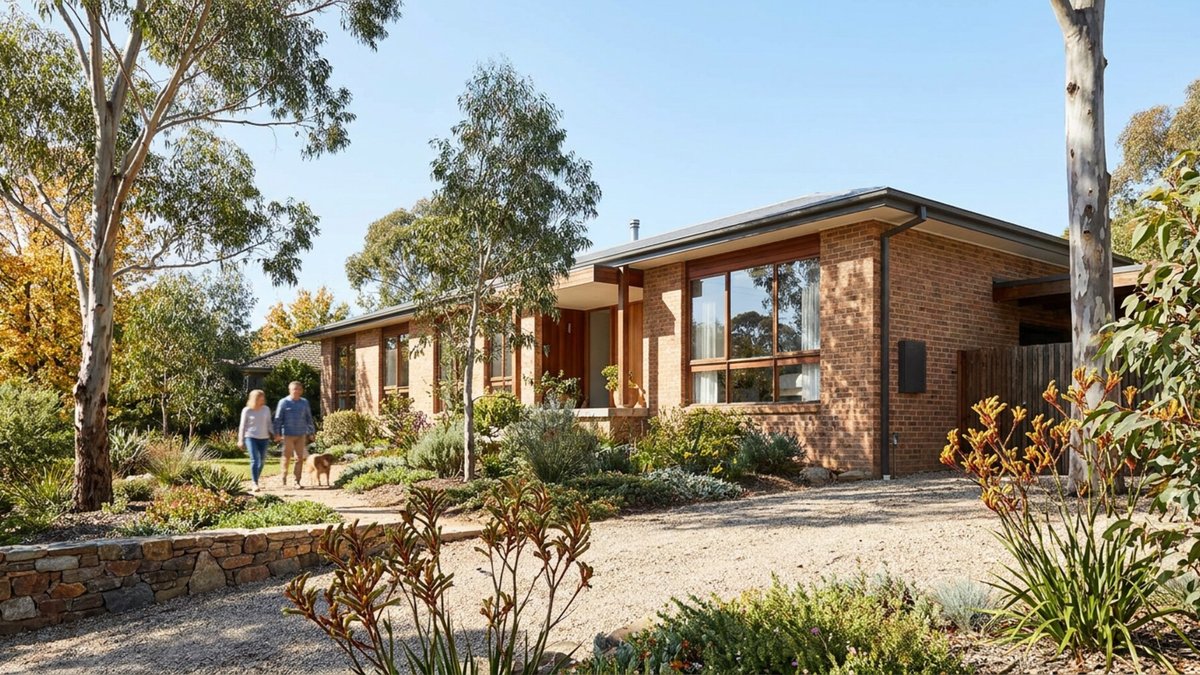
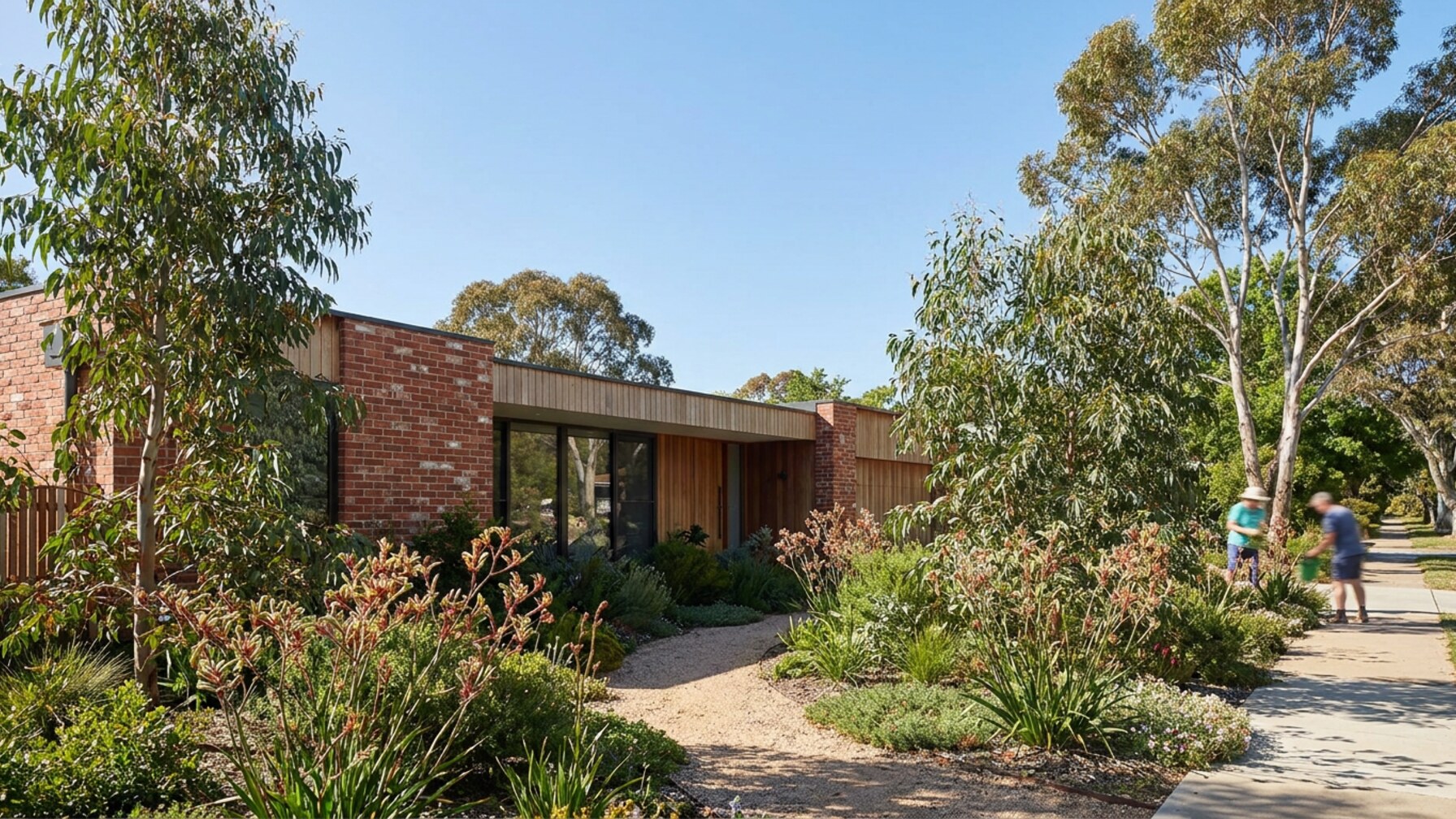
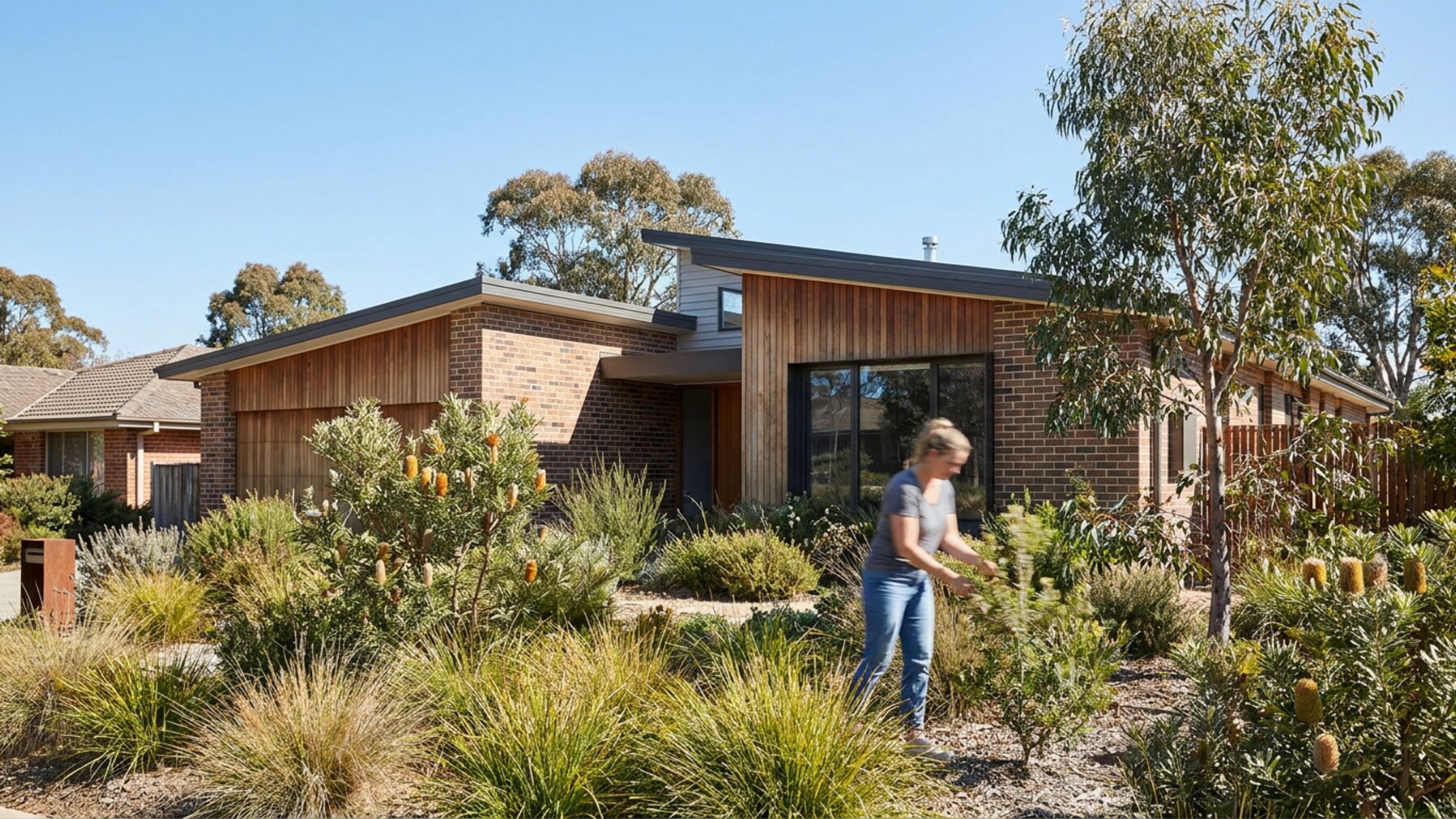
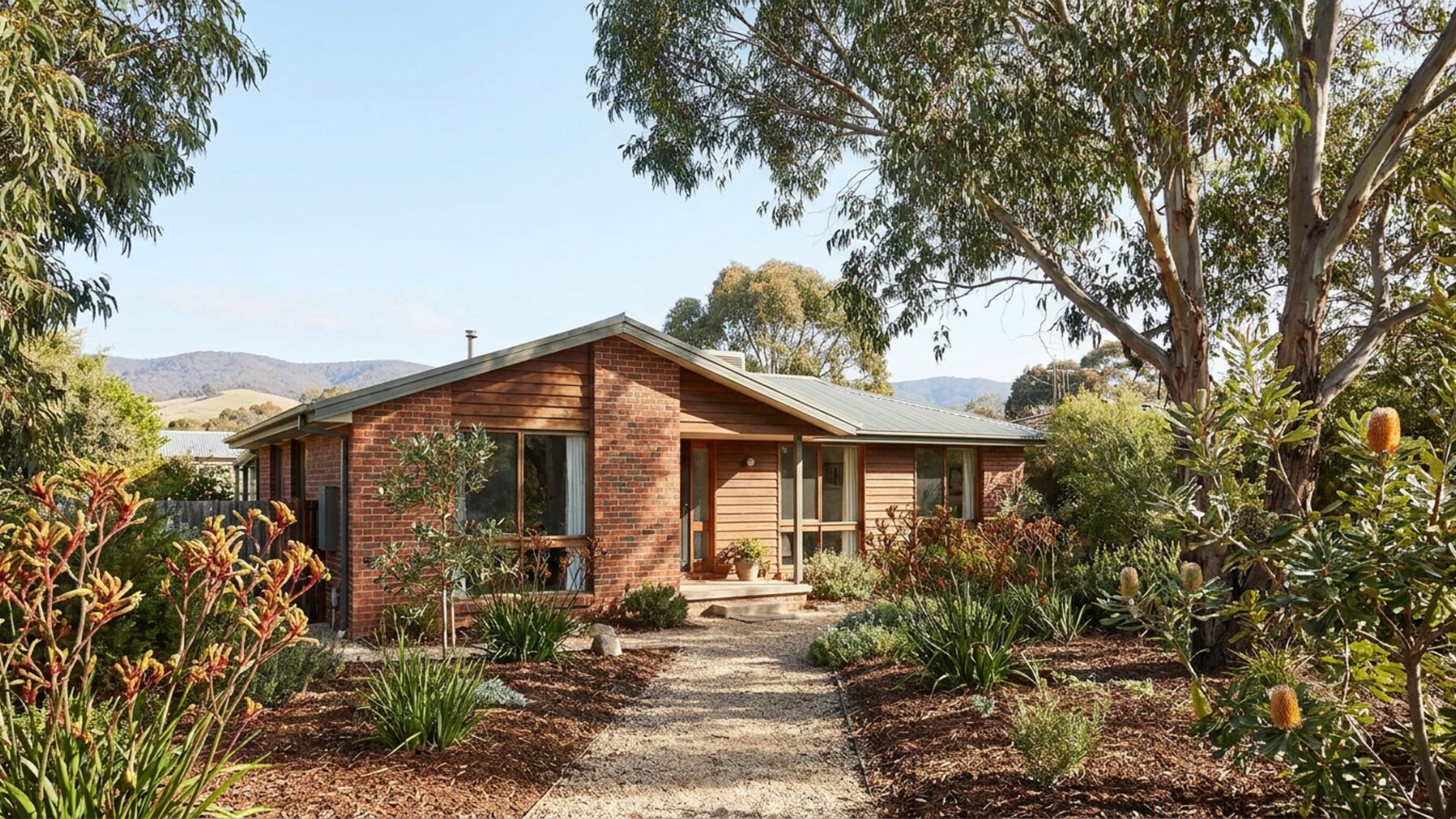
For the first time in several years, the numbers in parts of Canberra are tilting toward buyers. In suburbs like Tuggeranong's Kambah and the inner north's Downer, a buyer who secures a standard three-bedroom house at the ACT median price of around $835,000 and puts down a 20 percent deposit is looking at monthly repayments that, at current variable rates, sit in a comparable or lower range than what tenants are paying in weekly rent on the same streets. The margin is not enormous, but it is real, and it is prompting a rethink among Canberra's famously cautious public servant buyer cohort.
The context matters. The Reserve Bank of Australia cut the cash rate twice in the first half of 2026, dragging variable mortgage rates down from their 2024 peaks. At the same time, ACT rental vacancy has remained historically tight, hovering below one percent in some inner suburbs according to figures tracked by the Real Estate Institute of the ACT, pushing asking rents on a three-bedroom house in Belconnen past $650 a week in many cases. Those two forces, moving in opposite directions, have compressed the cost gap between renting and owning to the point where, in certain pockets, it has inverted.
Gen Z buyers, who consistently tell researchers they want ownership despite the obstacles, are paying close attention. National surveys released earlier this year confirmed the cohort's appetite for property ownership remains strong even after years of affordability pressure. In Canberra, that translates to first-home buyers circling the Gungahlin growth corridor, particularly the established sections of Ngunnawal and Amaroo, where house prices can still be found below the ACT median, and targeting assistance under the ACT Government's Home Buyer Concession Scheme, which waives or reduces stamp duty for eligible purchasers.
Where the numbers stack up
Kambah, a large established suburb in Tuggeranong, is drawing particular attention. Three-bedroom homes there have been transacting in the $700,000 to $780,000 range through the first half of 2026, meaningfully below the territory-wide median. A buyer borrowing $620,000 over 30 years at a variable rate around 5.9 percent faces monthly repayments of roughly $3,680, or about $850 a week. Comparable rentals in Kambah are being advertised between $620 and $680 a week, according to current listings on major platforms. The gap has narrowed sharply, and for buyers with a deposit ready, the ownership premium has almost evaporated.
Downer, closer to the city in the inner north, tells a slightly different story but arrives at a similar conclusion via a different route. Prices there are higher, solidly above $850,000 for a three-bedroom, but rental yields remain compressed because demand from public servants working at nearby Russell offices and the Australian Public Service Commission's Barton precinct keeps competition fierce. Renters in Downer are being asked for upward of $700 a week on houses that, if purchased, would cost only a modest amount more per week in mortgage servicing at current rates.
What buyers should do now
The window may not stay open. Most market watchers expect a further pulse of supply to hit Gungahlin and the Molonglo Valley, particularly the suburb of Whitlam, where new land releases continue to add stock, which could moderate both rents and prices simultaneously and blur the calculation again. The ACT Government's planning changes, which expanded medium-density allowances across inner suburbs, are also beginning to produce more dwellings, though the pipeline typically runs 18 to 24 months behind approvals.
Buyers who have already saved a deposit would be wise to model their specific suburb carefully rather than relying on territory-wide averages. The ACT median of $835,000 masks a wide spread, from the high $600,000s in parts of Tuggeranong to well over $1.1 million in suburbs like Red Hill and Forrest. The REIACT's free suburb profiles and the ACT Revenue Office's online stamp duty calculator are practical starting points for anyone working through the rent-versus-buy equation before the rate environment shifts again.
This article is general information only and is not personal financial or investment advice. Consider your own circumstances and seek licensed professional advice before making financial decisions.