Canberra’s residential rental market is showing no sign of relief for would-be tenants, with local property managers confirming that the citywide vacancy rate remains stubbornly low, fuelling intense competition for homes in key northside districts and established inner suburbs.
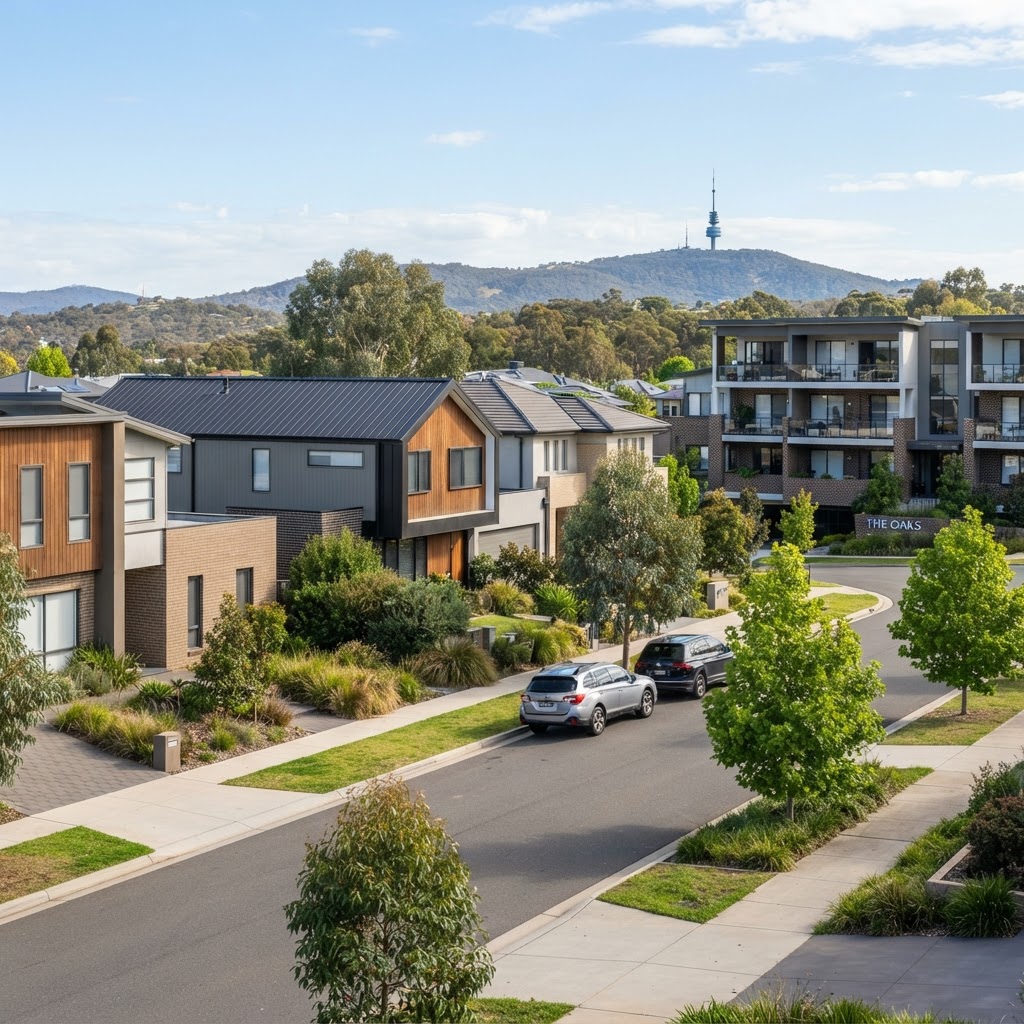
This heightened pressure on the rental market comes as both buyers and renters across the ACT grapple with affordability challenges, exacerbated by ongoing population growth and limited new supply in popular districts such as Gungahlin and Belconnen. With more public servants and interstate arrivals choosing to settle in Canberra for long-term work, the squeeze on available properties is being felt in every open home queue and online listing refresh.
Inner North and Gungahlin: Hot Spots, High Pressure
Real estate listings for two-bedroom apartments in Dickson, especially along Cape Street and near the Lyneham border, have consistently attracted upwards of 40 inquiry groups at each inspection, according to local agencies tracking recent campaigns. Meanwhile, in the growth hub of Gungahlin, new high-rise developments along Flemington Road are still no match for surging demand, with ‘leased’ stickers going up within hours of properties coming online.
Community housing organisations, including Housing ACT and providers like YWCA Canberra, report steady increases in applications for their affordable rental programs. Some residents in Acton and Turner say they have repeatedly missed out despite submitting offers above the advertised asking price, citing crowding at every rental viewing. The picture is similar near the University of Canberra and Lake Ginninderra precinct, where students and public service workers are vying for limited listings.
Vacancy Numbers Show No Relief
According to SQM Research’s July 2026 report, Canberra’s overall rental vacancy rate sits below 1.3%, down from an already tight 1.7% recorded mid-2025. Across central Gungahlin and inner Belconnen, some agencies are posting micro-vacancy rates at or below 1.0%. The median rent for a two-bedroom apartment in the inner city now hovers around $630 per week, up more than $40 compared with July last year. Meanwhile, the ACT median house price holds steady at approximately $835,000, pushing more prospective buyers to remain in the rental pool.
Market observers link the low vacancy rates to ongoing delays in new apartment completions and increased migration into the ACT. Local building approvals have not kept pace with household formation, forcing more residents to compete for fewer available homes. Recent auction clearance rates, holding near 65% in June, are providing some light at the end of the tunnel for buyers, but rental listers are still seeing multiple offers and pre-application submissions to secure a lease.
For Canberra renters, experts advise prompt applications, updated references, and a willingness to consider properties beyond traditional hotspots if flexibility is an option. Few expect material change before early 2027, when several larger residential projects in Belconnen and Gungahlin are due for completion. In the meantime, heightened competition remains the norm, making Canberra’s rental market one of the most challenging in the country for newcomers and local upgraders alike.
This article is general information only and is not personal financial or investment advice. Consider your own circumstances and seek licensed professional advice before making financial decisions.