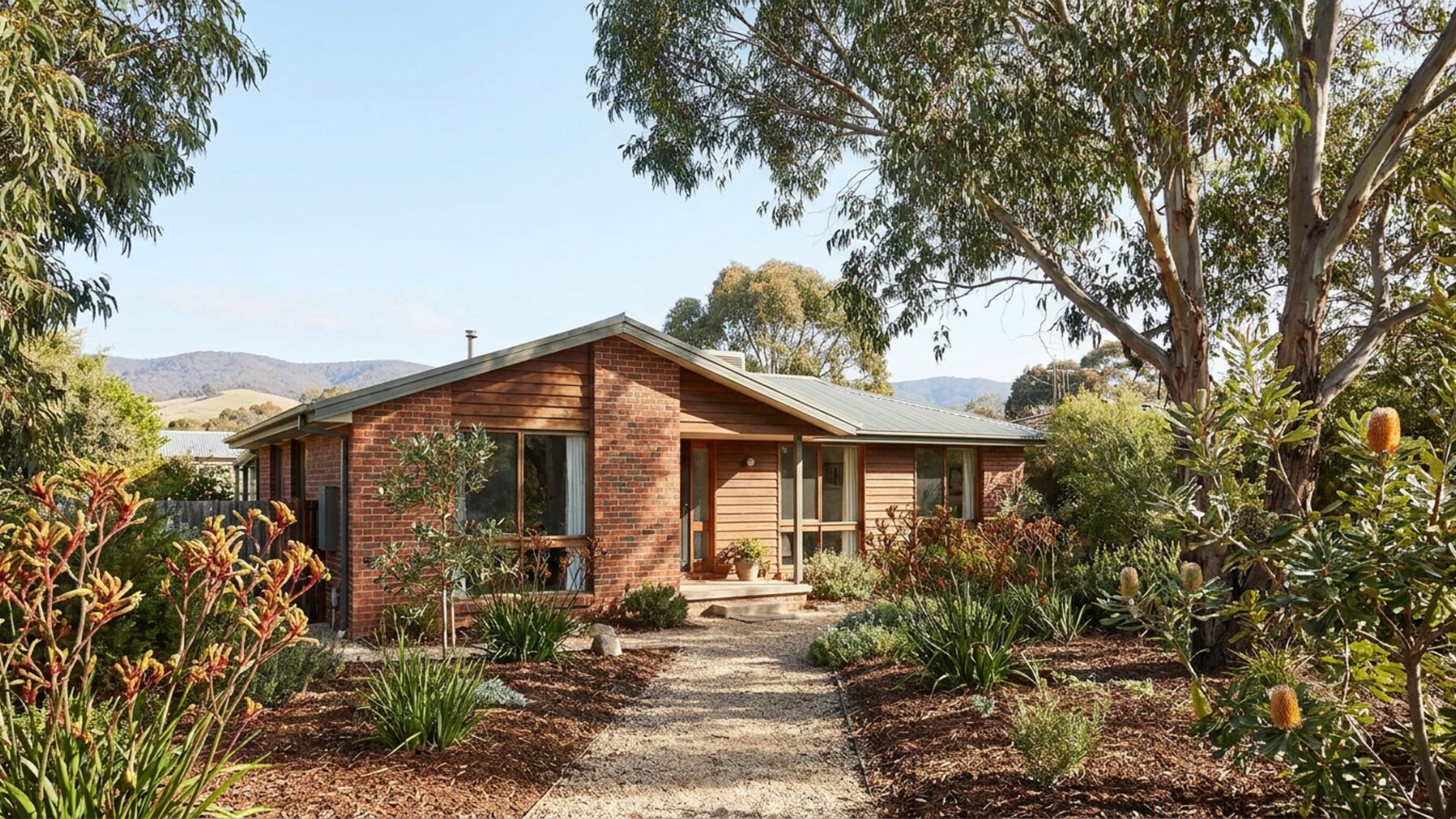
Canberra’s streetscape is set for major change with the ACT Government advancing a broad set of amendments to territory planning rules, designed to boost residential density and reshape how new developments are designed across the city.
This comes as a direct response to ongoing housing affordability pressures, low rental vacancy rates, and a steady influx of new residents-many attracted by public sector jobs in the capital. As competition intensifies, policymakers are turning to infill development and design guidelines as levers to accommodate growth without sacrificing Canberra’s signature greenery and accessibility.
Gungahlin and Belconnen in Focus
The revised planning framework specifically targets high-growth corridors including Gungahlin and Belconnen, where population numbers have surged over recent years. Increased density allowances along Flemington Road and Northbourne Avenue will enable new mid-rise apartment buildings, while proposed changes to block dimensions and setbacks are set to influence the character of both new builds and knockdown-rebuilds in established neighbourhoods.
Major sites around the Gungahlin Town Centre and “Belconnen Town Centre East” precinct are earmarked for mixed-use developments, responding to the success of precinct-based projects such as the Republic towers and DKSN in Dickson. Existing heritage areas in inner suburbs like Reid and Forrest will continue to face stricter controls under the updated policy, but elsewhere residents can expect more townhouses and smaller apartments replacing detached homes, especially near group centres like Jamison and Erindale.
Pressure Points and Policy Drivers
Recent data underscores the urgency behind the new planning push. The median house price in Canberra remains among the country’s highest, hovering around $835,000 according to property data tracking. Auction clearance rates sit near 65 percent, indicating robust buyer interest even as supply tightens. The ACT’s rental vacancy rate is low, with prospective tenants reporting strong competition for properties throughout 2026.
Local development applications have surged along major public transport corridors, spurred in part by extensions to the Canberra Metro light rail and the popularity of associated active travel routes. Meanwhile, advocacy groups such as the ACT Shelter and the Inner South Canberra Community Council continue to voice concerns about balancing increased density with green space, sunlight access, and neighbourhood character.
The ACT Government says its revised planning regime will undergo further consultation this winter, focusing on visual impact, streetscape integration, and affordable housing provision. Residents can expect updated design guides and online tools to explain how the rules will affect individual blocks and neighbourhoods, particularly in the city’s northern suburbs and growth precincts. The changes are set to come into force in 2027, but developers and prospective buyers are already watching closely to see how new standards could shape project viability and urban life in Canberra’s next era.
This article is general information only and is not personal financial or investment advice. Consider your own circumstances and seek licensed professional advice before making financial decisions.