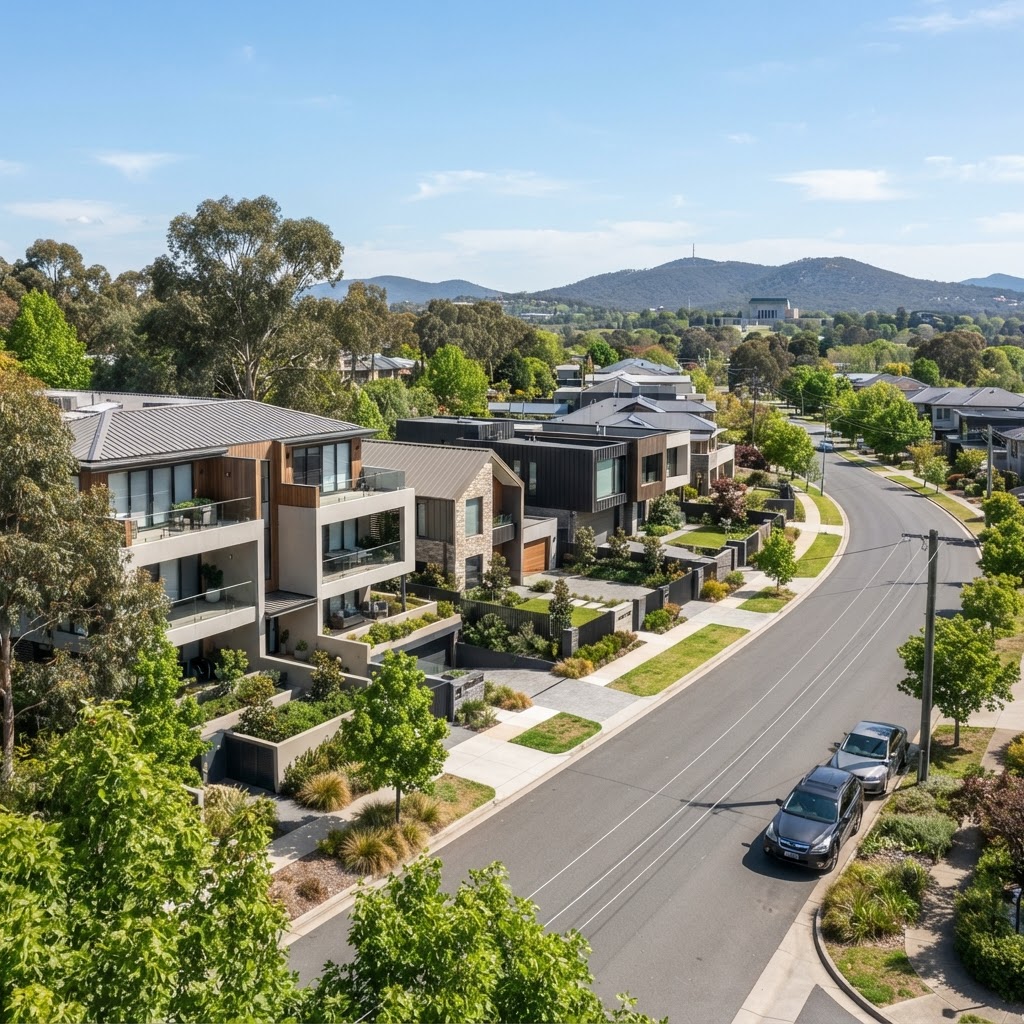
Charnwood is not the suburb anyone talks about at auction morning tea. Wedged between Belconnen's retail spine and the rural fringe of the ACT, it has sat largely unchanged since its streets were carved out in the early 1970s. That may be about to shift. The ACT Government's ongoing District Strategies review, which is reshaping planning rules across the Belconnen district, has placed suburbs like Charnwood, characterised by ageing RZ1 single-dwelling blocks on land close to existing bus corridors, directly in the sights of higher-density rezoning advocates.
The timing matters. Canberra's residential vacancy rate has remained stubbornly tight, the ACT median house price is hovering around $835,000, and auction clearance rates are running at roughly 65 per cent across the territory, solid, if not spectacular. Against that backdrop, buyers who get ahead of a rezoning event in an undervalued pocket can capture a double benefit: land value uplift from the rezoning itself, plus general market appreciation. Investors who bought in Gungahlin's Ngunnawal before its rapid infrastructure build-out a decade ago will know the feeling.
What Makes Charnwood Different From the Last Cycle's Darlings
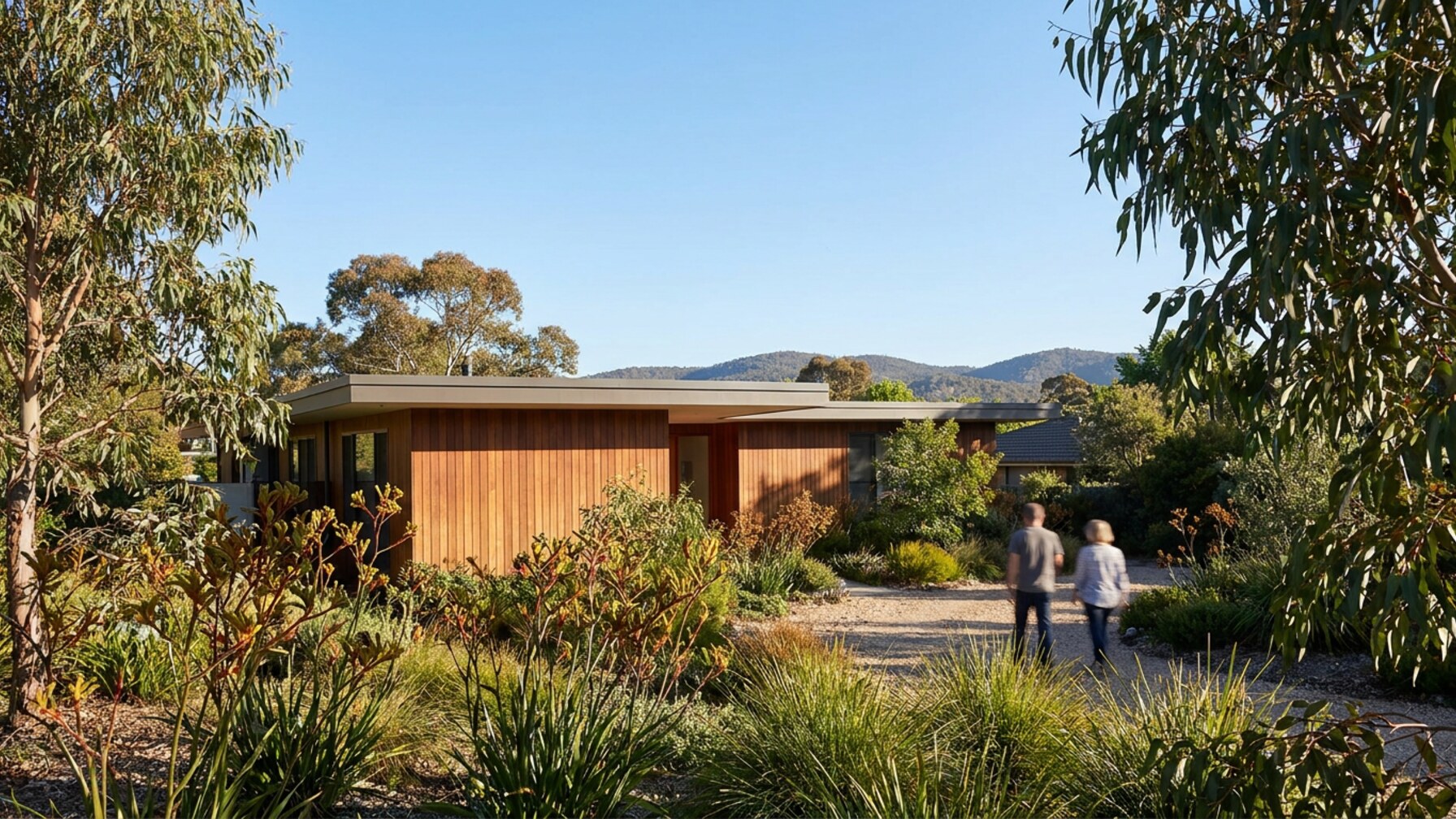
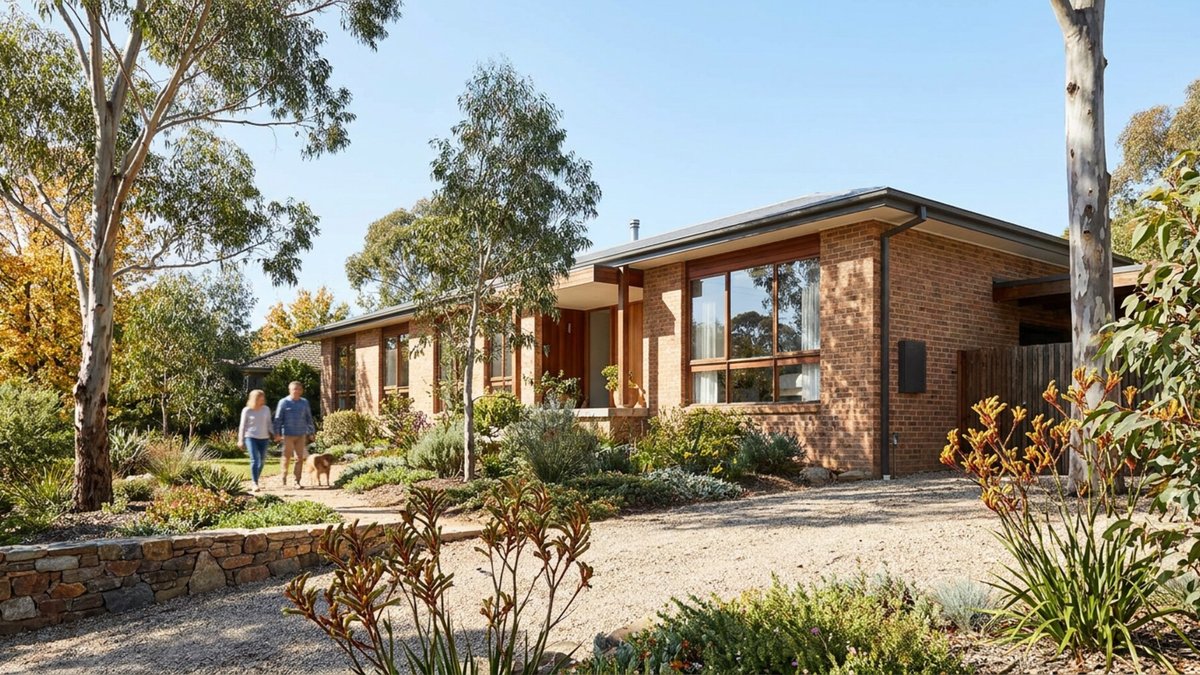
Walk Charnwood's streets, Starke Street, Nullarbor Avenue, the cul-de-sacs feeding off Kingsford Smith Drive, and the pattern is obvious. Blocks averaging 700 to 800 square metres. Brick veneer homes built before 1985. Minimal subdivision activity. Compared to nearby Macgregor and Latham, which saw scattered dual-occupancy development through the mid-2010s, Charnwood has been largely left alone. That restraint is now the pitch.
The suburb sits within the catchment of the Belconnen Town Centre, designated by the ACT Planning Authority as one of the territory's primary urban intensification nodes under the 2023 District Strategies framework. Bus Rapid Transit Route 2 runs along Kingsford Smith Drive, connecting Charnwood to the Belconnen interchange and, from there, into Civic in under 30 minutes. The Charnwood shops on Charnwood Crescent, a modest strip of supermarket, pharmacy and takeaway, are no Westfield, but they anchor daily life in a way that matters to planners assessing walkability scores for higher-density applications.
For property buyers, the entry price is the headline. Charnwood houses have been trading in a range noticeably below the ACT median, with a cluster of sales in the $650,000 to $750,000 bracket recorded in the suburb over the past 12 months, meaningful headroom below that territory-wide $835,000 figure. Block sizes mean that an RZ1-to-RZ2 rezoning, should it proceed, would allow dual occupancy on many existing lots without requiring knock-down rebuilds, lowering the risk profile for owner-occupiers considering a long hold.
The Risks Are Real, And Worth Naming
Rezoning speculation is not a free lunch. The ACT's planning reform process has moved slowly; the District Strategies documents are policy signals, not gazette notices. Until the ACT Planning Authority formally amends the Territory Plan to rezone specific Charnwood blocks, no development right changes hands. Buyers banking purely on rezoning upside need to price that uncertainty in, and should check the current zoning status of any individual block through the ACT Environment, Planning and Sustainable Development Directorate's online mapping tool before exchanging contracts.
Infrastructure is the other variable. Charnwood's water and sewerage network was engineered for low-density loads. Any significant densification push will require coordination with Icon Water, and that sequencing has historically added years to the timeline in comparable ACT suburbs. Residents in parts of Macgregor found that out the hard way when sewer capacity constraints stalled approvals for secondary dwellings well after the policy framework said they were permissible.
The practical advice for buyers watching this suburb: do your due diligence on individual block size and drainage, get independent advice on current RZ1 entitlements, and treat any rezoning as a bonus rather than a certainty. Charnwood's fundamentals, affordability relative to the ACT median, transit access, and proximity to the Belconnen employment and retail hub, stand on their own even if the planning regime stays exactly where it is today. The rezoning story is what makes it interesting. The existing numbers are what make it defensible.
This article is general information only and is not personal financial or investment advice. Consider your own circumstances and seek licensed professional advice before making financial decisions.