Property
Canberra's Building Boom Reshapes Housing Market and Prices
From Gungahlin's northern fringe to Belconnen's lakeside, a fresh wave of approved projects is reshaping where Canberrans will live — and what they'll pay.
4 min read
Property
From Gungahlin's northern fringe to Belconnen's lakeside, a fresh wave of approved projects is reshaping where Canberrans will live — and what they'll pay.
4 min read
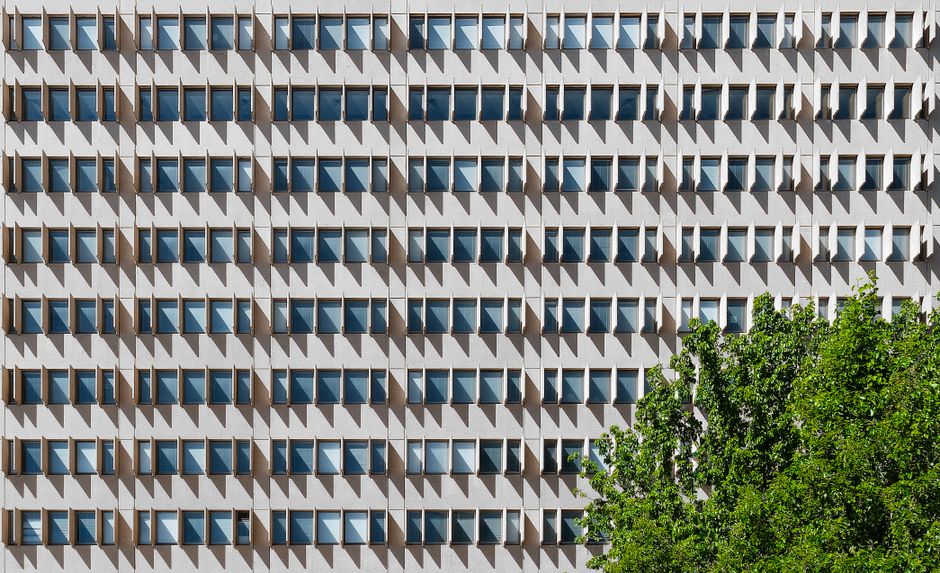
At least four major residential and mixed-use developments received planning approval or broke ground across the ACT in the June quarter, according to documents lodged with the ACT Planning Authority. The projects span Gungahlin, Belconnen, and the inner-north, adding an estimated 2,400 dwellings to a market where the median house price sits at $835,000 and rental vacancies remain below one per cent.
The timing matters because Canberra's supply pipeline has been running thin for the better part of three years. The ACT government's Housing Support Program, announced in late 2024, set a target of 30,000 new homes by 2030 — a number planning insiders have described privately as ambitious given the ACT's chronic trade labour shortage and the time it takes to move from approval to occupancy. New projects hitting the approval stage now won't put keys in buyers' hands before late 2027 at the earliest.
The most significant single approval is a 14-storey mixed-use tower proposed for the corner of Hinder Street and Gungahlin Place, directly opposite the Gungahlin Town Centre light rail stop. The development, lodged by a Sydney-based developer through a local planning consultant, includes 312 apartments — roughly 60 per cent of them two-bedroom — plus ground-floor retail. Gungahlin already absorbed more than 3,100 new residents between 2021 and 2026, according to ACT government population data, making it the territory's fastest-growing district for the fifth consecutive year.
In Belconnen, the University of Canberra-adjacent precinct around Emu Bank is getting a second look from developers who sat on approved DA applications during the 2023–24 interest rate peak. One 220-unit project on Benjamin Way, stalled since early 2024, resumed construction mobilisation in June after its developer secured refinancing at a rate under six per cent. That project's 1-bedroom units are pre-selling from $485,000 — below the territory median for units, which CoreLogic pegged at $539,000 for the March 2026 quarter.
Closer to the city, the inner-north suburb of Mitchell is attracting industrial-to-residential conversion interest. A heritage-sensitive proposal to repurpose a former light industrial site on Vicars Street into 88 terrace homes and six ground-floor commercial tenancies cleared the National Capital Authority's preliminary review in May. The site abuts the existing Mitchell medium-density corridor that has quietly added around 600 dwellings since 2019 with almost no public controversy — a fact not lost on other developers watching the outcome.
Auction clearance rates across Canberra held at around 65 per cent through May and June, according to data compiled by the Real Estate Institute of the ACT. That figure is notably steadier than Melbourne's market, where seller confidence has dipped and private treaty sales are increasingly replacing auctions. Canberra's public service employment base — roughly 45 per cent of the full-time workforce, per ABS Labour Force data — continues to underpin demand in a way that private-sector cities cannot replicate. The July 1 superannuation guarantee increase to 12 per cent also nudged first-home buyer borrowing capacity calculations upward, according to mortgage brokers operating in the Tuggeranong and Woden Valley markets.
Supply does not automatically translate to affordability. Every planning cycle in Canberra has produced this same lesson: new stock tends to absorb the premium end of the market first, with flow-on benefits to the middle market arriving 18 to 24 months later. Buyers hoping the Gungahlin tower or the Benjamin Way project will drag their target suburb's prices down should probably keep renting for now — or look seriously at established stock in Palmerston, Ngunnawal, or Charnwood, where median house prices still sit between $690,000 and $730,000 and competition is measurably lighter than in Belconnen's core.
The ACT Planning Authority's next public meeting, scheduled for August 12, has three further Gungahlin applications on its agenda. Anyone with a stake in where Canberra builds next should read the agenda documents, available on the authority's website from late July.
Property

Property
Property

Property
About this article
Published by The Daily Canberra
Spread the word
Daily brief
Free, in your inbox before 7am. Weekdays.
The Daily Network — local news across Australia