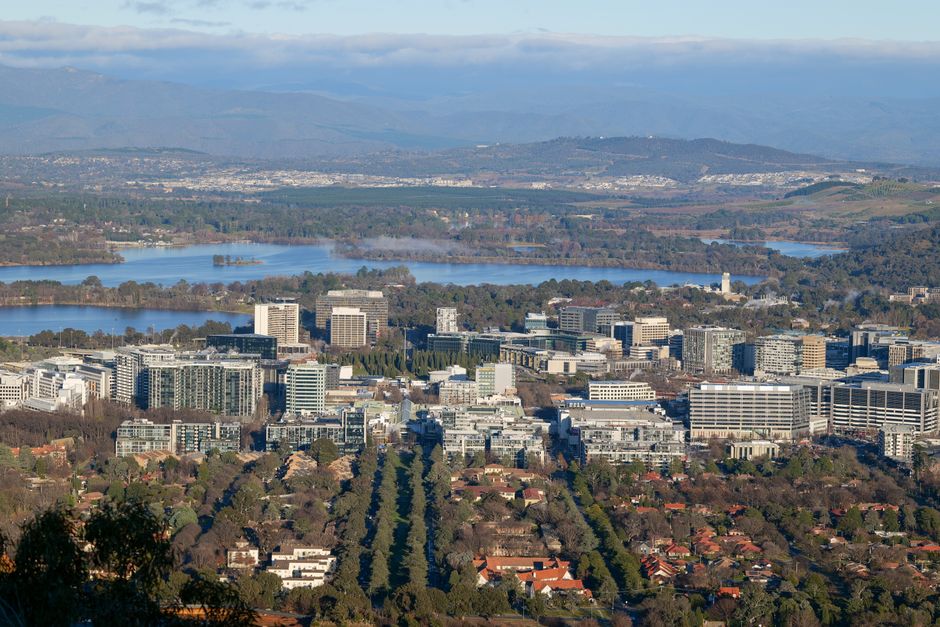
The national housing downturn has reached Canberra, with median prices sliding and auction clearance rates retreating from their pandemic peaks. Yet a closer look at Canberra's market reveals a tale of two cities: while outer growth corridors feel the pinch, pockets of the inner north continue to attract determined buyers willing to pay premium prices.
The ACT median house price now sits around $835,000, down from earlier peaks. Yet this headline figure masks a deeply bifurcated market. Suburbs like Ainslie, Hackett, and Campbell—with their tree-lined streets, proximity to the city, and established character—remain sought after by public service professionals and empty-nesters alike. Properties in these precincts are still commanding strong interest, with many achieving or exceeding reserve at auction despite the broader softening.
"What we're seeing is a flight to quality and location," says local agent commentary circulating through the industry. Properties with good bones, period charm, or north-facing aspects in these established areas continue to perform, while identical-value homes in outer suburbs languish longer on market.
Gungahlin and Belconnen, long flagged as growth corridors, are experiencing the most pronounced shifts. While these areas still attract investor interest—particularly the newer townhouse precinct developments—the momentum has slowed considerably. First-home buyers, once a reliable driver of demand, are increasingly priced out or choosing to wait for further falls.
Auction clearance rates across the ACT have dipped to around 65%, a marked decline from the 75-80% rates of 2023-24. However, this too masks variation. Inner-north auctions still regularly clear above 70%, while Belconnen and Gungahlin auctions frequently fall short of reserve.
The low vacancy rates that have characterised Canberra's rental market—a protective factor through previous downturns—remain intact, with investors still seeing value in the stable ACT tenant base. This suggests the market, while correcting, may avoid the sharper declines seen in Melbourne and Sydney.
For buyers, the window is widening. Inner-north properties that would have attracted four competing bidders twelve months ago now see two or three. Vendors are becoming more realistic about pricing, and negotiation room is opening up for the first time since 2020.
The divergence between suburb performance is likely to accelerate through the second half of 2026. For investors and owner-occupiers, the lesson is clear: location quality matters more than ever in a softening market.
This article was compiled by AI and screened before publishing. See our editorial standards.