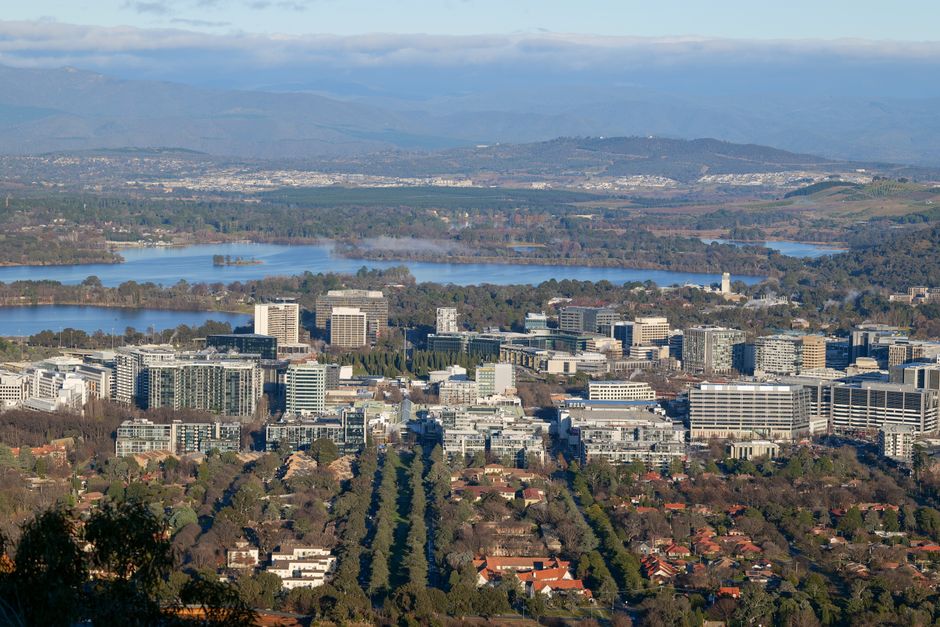
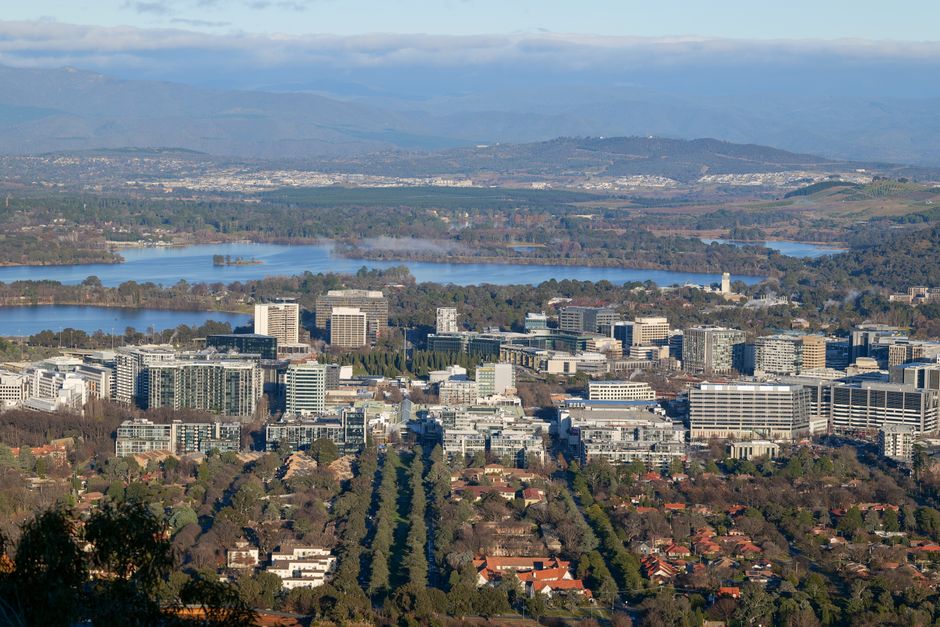
The ACT Planning and Land Authority has approved a significant mixed-use development for the Northbourne Avenue and Alinga Street precinct in Civic, marking a pivotal moment in the capital's efforts to revitalise its ageing CBD and create residential options closer to the city centre.
The $180 million project, greenlit this month, will deliver 285 residential apartments across 18 storeys, alongside ground-floor retail and hospitality spaces that are expected to activate the pedestrian experience between Civic Square and the Canberra Centre. The approval comes as planners navigate mounting pressure to increase housing supply in established areas while managing resident concerns about density and neighbourhood character.
"This approval reflects our commitment to delivering infill housing where infrastructure already exists," the planning authority noted in its determination, emphasising alignment with the ACT Government's Housing Strategy target of 70 per cent of new dwellings within the existing urban footprint by 2040.
The site's location is strategically significant. Northbourne Avenue remains Canberra's principal commercial spine, yet much of its CBD frontage languishes underutilised, a contrast to the vibrant retail precincts of Manuka and Kingston. The new development includes studio to three-bedroom apartments, with approximately 15 per cent allocated as affordable housing—a requirement increasingly mandated in inner-city approvals.
Market watchers suggest the project could help absorb demand from public servants and professionals seeking reduced commute times. Canberra's median house price of $835,000 has pushed many buyers toward outer growth corridors like Gungahlin and Belconnen, yet vacancy rates remain tight across the region. CBD apartment living has evolved significantly, with recent approvals introducing no-short-stay rules and restrictions on neighbour density to address liveability concerns that deterred earlier inner-city residents.
The approval includes a requirement for 182 car parking spaces—fewer than traditional ratios might suggest—reflecting planning policy that encourages public transport and active transport use along the Northbourne corridor. A commitment to delivering two electric vehicle charging stations per ten spaces signals environmental performance expectations.
Completion is pencilled in for late 2029. For Civic, the timeline matters: sustained momentum in approvals and construction can establish confidence among retailers and hospitality operators considering CBD locations. Current auction clearance rates across Canberra hover near 65 per cent, but CBD-adjacent residential options remain relatively scarce.
Industry observers expect the approval to trigger fresh discussions about heritage overlays protecting 1960s-70s commercial buildings along Northbourne, balancing heritage conservation with renewal imperatives that cities like Brisbane have grappled with more visibly in recent years.
This article was compiled by AI and screened before publishing. See our editorial standards.