Property
How much rent is too much? The 30% rule in practice
As Canberra's rental market tightens, we examine whether the classic affordability benchmark still holds water for renters in suburbs from Gungahlin to Belconnen.
2 min read
Property
As Canberra's rental market tightens, we examine whether the classic affordability benchmark still holds water for renters in suburbs from Gungahlin to Belconnen.
2 min read
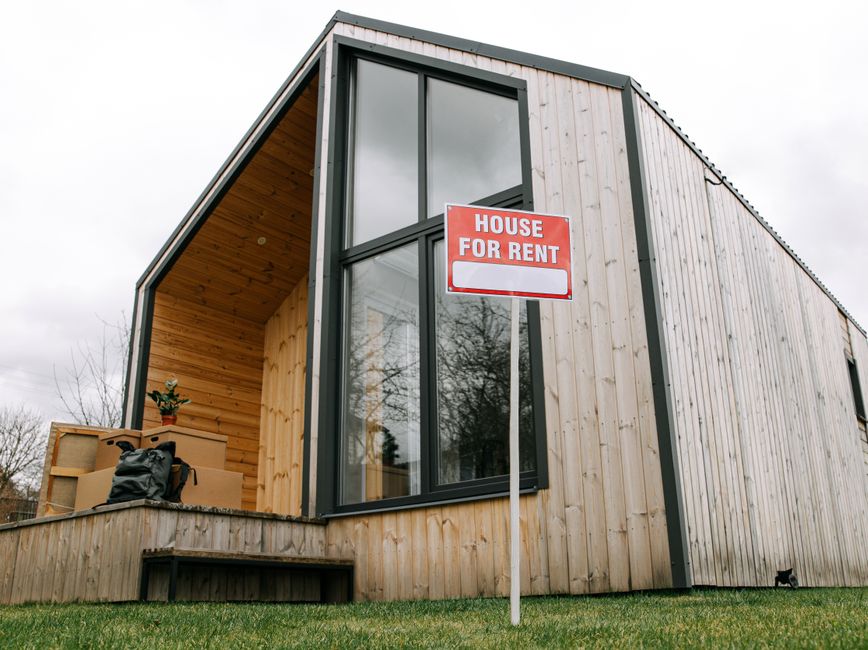
The rule is simple enough: spend no more than 30 per cent of your gross income on rent. It's a benchmark championed by financial advisers, housing advocates, and tenant organisations worldwide. But in Canberra's increasingly stretched rental market, that neat threshold is looking less like a floor and more like a fantasy.
Current vacancy rates hovering around 1 per cent have turbocharged competition among renters across the city. A two-bedroom townhouse in Gungahlin—one of the territory's designated growth corridors—now commands $2,100 to $2,400 monthly. In the inner south, properties around Forrest and Yarralumla fetch even steeper premiums. For a household earning $85,000 annually (close to the Canberra public service median), that 30 per cent threshold caps rent at $2,125 per month. One bedroom in many sought-after suburbs already exceeds this.
The ACT Tenants Union has fielded growing complaints from renters forced to breach the 30 per cent rule simply to secure shelter. Young professionals relocating to join the Australian Public Service, established families seeking proximity to schools in Belconnen, and essential workers face identical pressure: accept stretched budgets or be priced out entirely.
The math becomes starker for lower-income renters. A casual worker on $50,000 annually should pay no more than $1,250 monthly—yet even modest one-bedroom apartments in suburbs like Dickson and O'Connor frequently rent for $1,600 to $1,800. For vulnerable renters, that arithmetic forces agonising trade-offs: compromise on housing quality, location, or other essentials.
Some financial counsellors now suggest the 30 per cent rule deserves recalibration in tight markets. If Canberra renters cannot find compliant housing without extreme sacrifice, perhaps the benchmark should reflect local realities rather than dictate impossible choices.
The territory's median house price of $835,000 frames the deeper issue. Owner-occupiers—particularly public servants with job stability and lending credibility—have migrated upmarket. Meanwhile, investors, driven by yield pressure and capital appreciation, dominate rental stock. That structural shift leaves fewer affordable options for renters unable to break into ownership.
Until housing construction accelerates meaningfully across new precincts, or rental supply expands, Canberra renters will likely continue exceeding the 30 per cent threshold. The rule remains sensible guidance—but for an increasing share of the city's population, it's become a target rather than a reality.
This article was compiled by AI from the sources linked above and screened before publishing. See our editorial standards.

Property
Property
Property

Property
About this article
Published by The Daily Canberra
Spread the word
Daily brief
Free, in your inbox before 7am. Weekdays.
The Daily Network — local news across Australia