Property
Canberra's newest apartment tower: what it means for a market starved of inner-city supply
A major Braddon development signals a shift in the capital's housing strategy—and could reshape affordability across inner suburbs.
2 min read
Property
A major Braddon development signals a shift in the capital's housing strategy—and could reshape affordability across inner suburbs.
2 min read
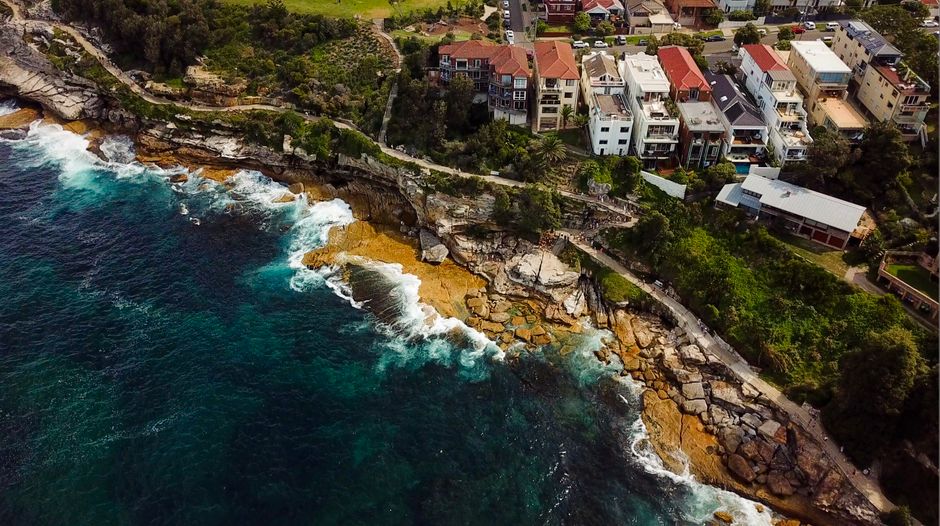
Canberra's property market has long been defined by sprawl. With median house prices hovering near $835,000 and public servants driving much of the buyer appetite, the city has historically grown outward toward Gungahlin and Belconnen rather than upward into established neighbourhoods.
That dynamic is beginning to shift. The approval of a 22-storey mixed-use tower in Braddon—steps from the Canberra Museum and Gallery and within walking distance of Lonsdale Street's cafes and boutiques—represents a watershed moment for inner-city renewal. The development will deliver approximately 280 apartments, ranging from studios to three-bedroom layouts, alongside ground-floor retail and a basement car park.
For a market grappling with vacancy rates below 1 per cent and auction clearances hovering around 65 per cent, the implications are significant. Inner Canberra has remained chronically undersupplied relative to demand. Most new housing stock has concentrated in greenfield estates across the north and south, leaving pockets like Braddon, Hackett, and O'Connor with ageing apartment blocks and limited options for downsizers, young professionals, or investors seeking alternatives to houses.
The tower's estimated completion in 2029 is unlikely to dramatically reset prices overnight. However, it signals to developers and the ACT Planning and Land Authority that inner-suburb densification is viable—and increasingly necessary. With interest rates stabilising and the territory's population growth continuing to outpace housing supply, the pressure for such projects is mounting.
Industry observers note that comparable developments in similar-sized Australian cities have typically captured demand from three cohorts: empty-nesters seeking low-maintenance inner-city living, interstate professionals relocating to Canberra's booming public service sector, and investors diversifying beyond house portfolios. If this tower follows that pattern, rental demand could ease pressure on the broader market and free up stock in outer suburbs like Belconnen and Gungahlin.
The Braddon project also arrives as planning reform discussions intensify within government. The ACT's draft planning strategy emphasises walkable neighbourhoods and mixed-use precincts—a framework that would likely greenlight similar developments across Lyneham, Dickson, and Kingston.
Whether this marks genuine structural change or a one-off response to market pressure remains to be seen. But for now, Canberra's skyline is finally beginning to answer a question the market has posed for years: where do people actually want to live?
This article was compiled by AI from the sources linked above and screened before publishing. See our editorial standards.
Property
Property

Property
Property
About this article
Published by The Daily Canberra
Spread the word
Daily brief
Free, in your inbox before 7am. Weekdays.
The Daily Network — local news across Australia