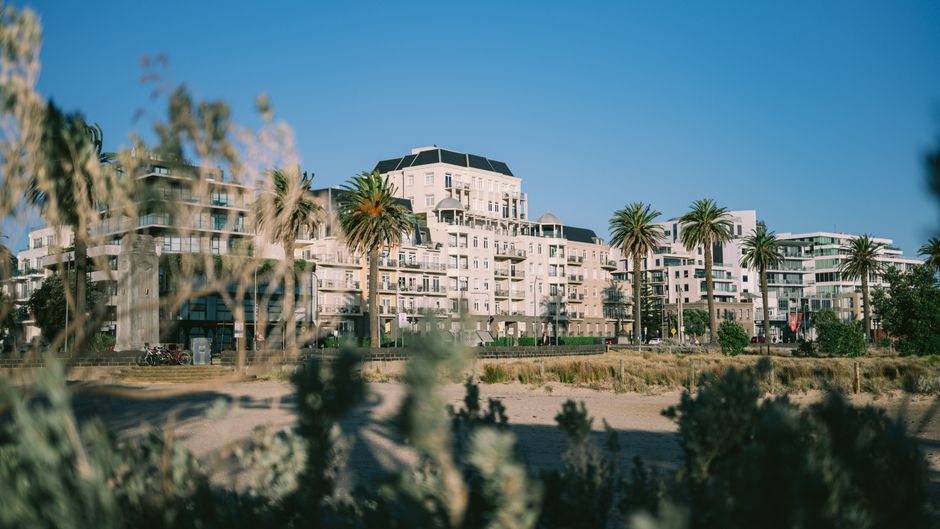
Walk through Red Hill on a Saturday morning and you'll notice something striking: the new residents aren't young families hauling flat-pack furniture into quarter-acre blocks. They're couples in their 60s and 70s, browsing the farmers market near the Red Hill shopping precinct, their coffee cups steady in hands no longer gripping lawn mowers.
Red Hill, along with Pearce, Curtin, and pockets of Forrest, has quietly become Canberra's downsizer hotspot. And the numbers tell the story. While detached houses across the ACT median at $835,000, townhouses and villas in these inner suburbs are moving swiftly in the $550,000 to $750,000 range—offering the lifestyle shift retirees crave without the shock of a $1.2 million Gungahlin or Belconnen sprawl.
"The fundamentals are changing," explains one local property analyst. With the ACT vacancy rate hovering near record lows and rental yields under pressure, downsizers aren't chasing returns anymore. They're chasing walkability, proximity to medical services at Calvary and Canberra Hospital, and—crucially—community.
Red Hill's tree-lined streets and proximity to Southside cafés, the Canberra Glassworks, and Manuka's restaurant strip appeal to a demographic that spent thirty years in detached homes but now questions why they're maintaining three empty bedrooms. Pearce offers similar positioning: village-style convenience, close to Woden Town Centre, with excellent bus connectivity through Rapid routes.
Curtin, traditionally underrated, is experiencing a subtle but real renaissance. The suburb's proximity to the ANU campus, access to the Cotter Reserve walking tracks, and planned upgrades to local shops make it increasingly attractive to downsizers valuing proximity to culture and nature over square metres.
Real estate agents report buyers in this demographic are less interested in auction clearance rates and more focused on strata fees, proximity to services, and neighbourhood character. The shift reflects a broader Australian trend: the post-pandemic reassessment of what "home" actually means.
For investors watching the market, the lesson is clear. While headlines obsess over growth corridors and empty-land speculation, the real movement is happening in established inner suburbs where supply of suitable downsizer stock remains tight and demand is climbing steadily. With Canberra's ageing population set to accelerate, these quiet streets aren't just where empty-nesters are moving—they're becoming the market's next sustained growth story.
This article was compiled by AI from the sources linked above and screened before publishing. See our editorial standards.