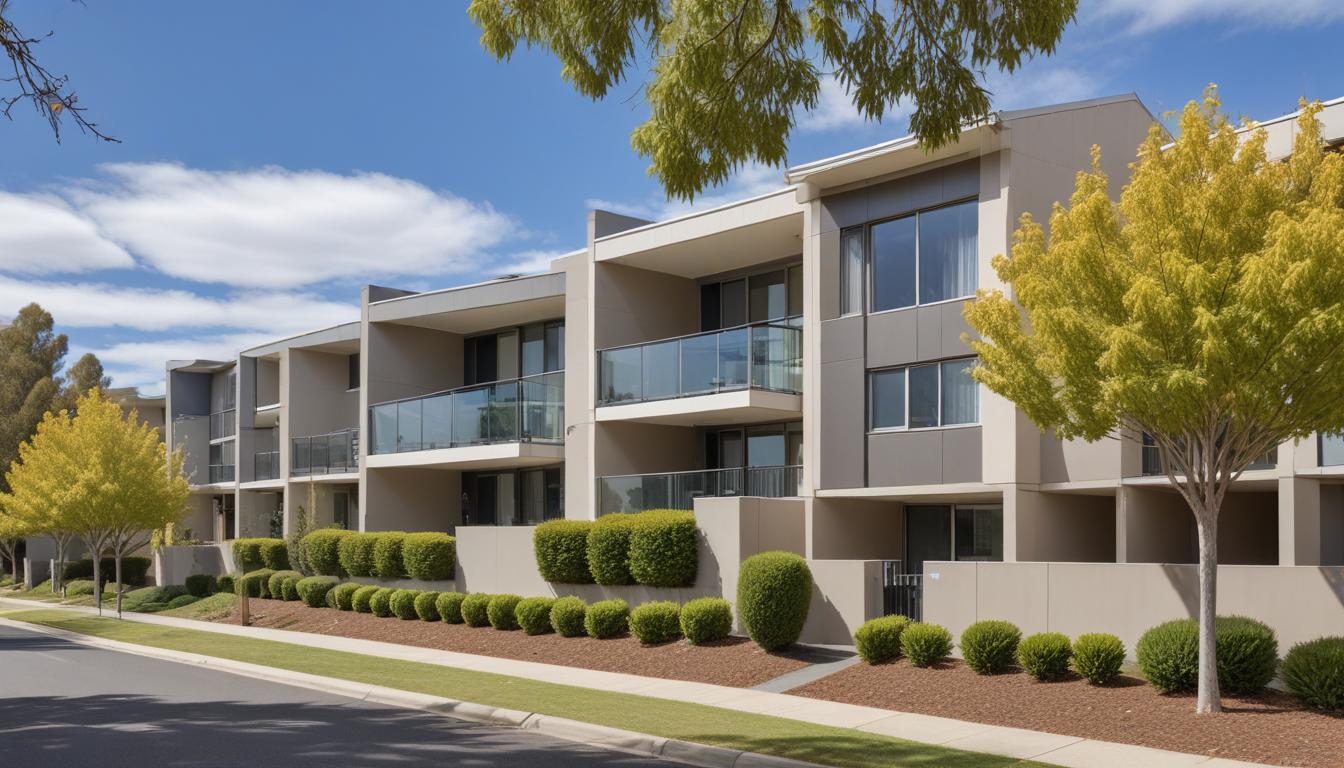
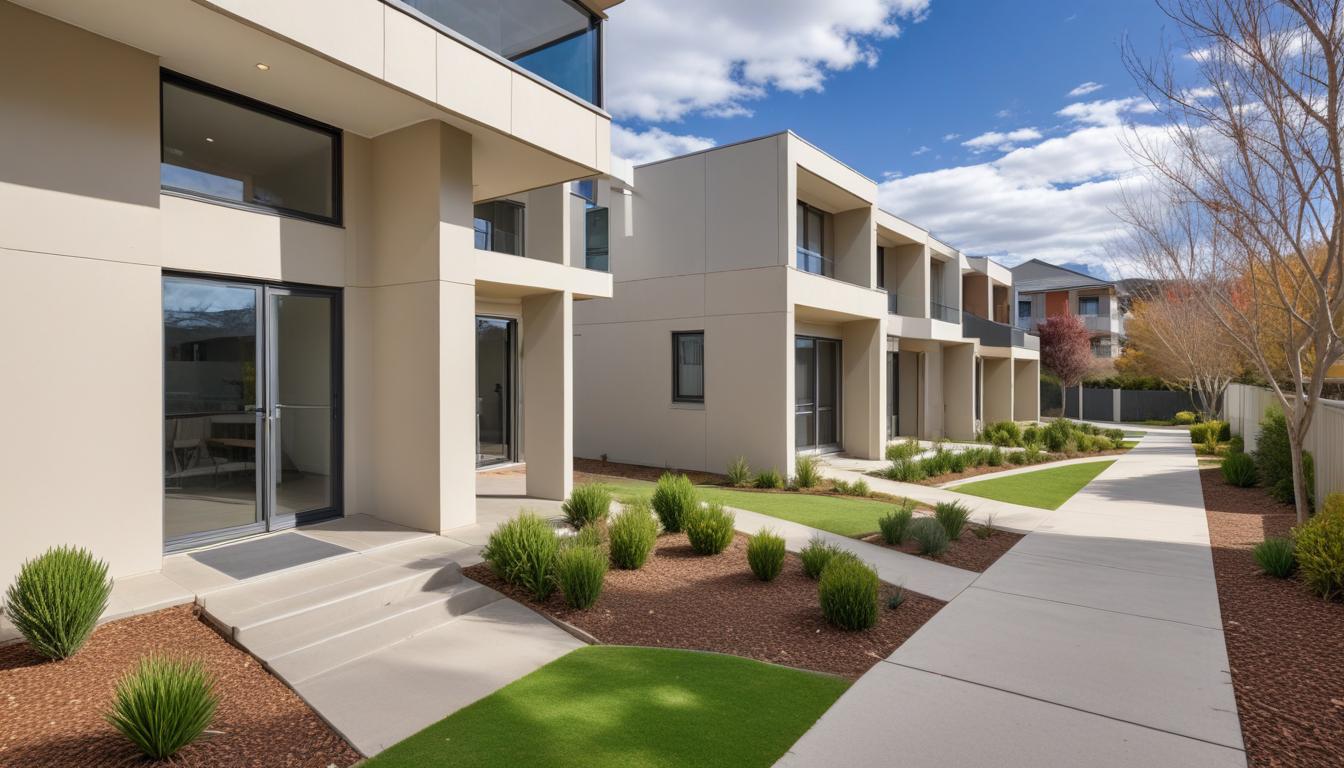
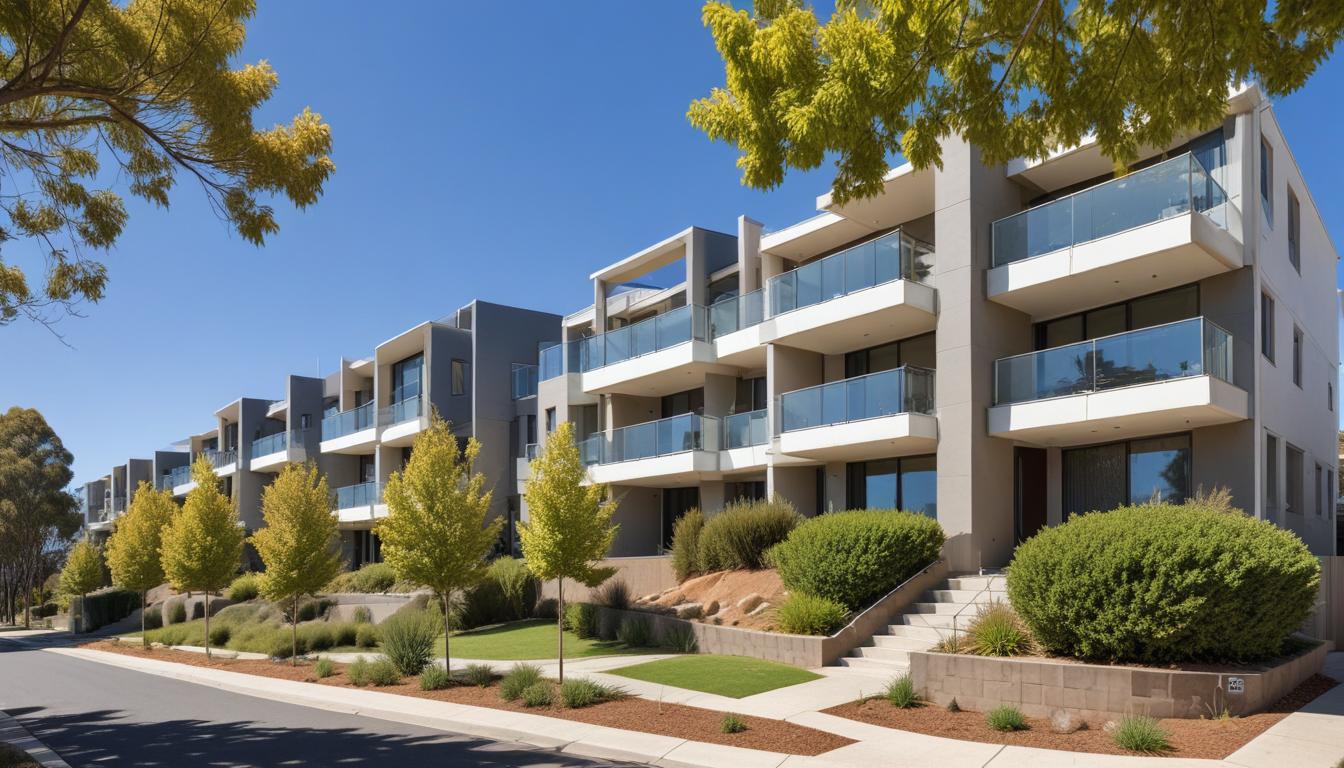
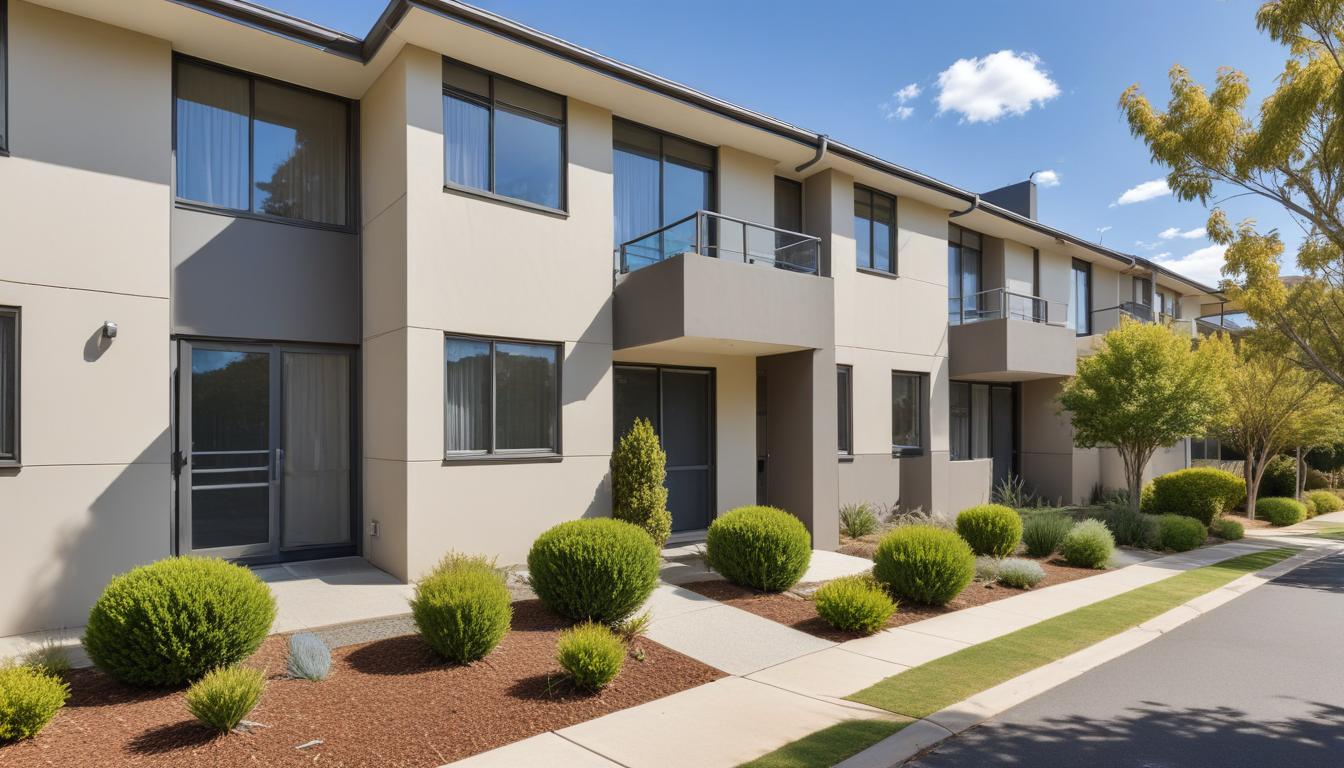
For Canberra renters earning median wages, the mathematics are brutal. With house prices hovering near $835,000 and deposit requirements out of reach, the dream of ownership feels increasingly distant. But a new model gaining traction across Australia—build-to-rent (BTR) developments—promises an alternative: secure, long-term rental homes built specifically for people who may never buy.
Build-to-rent projects differ fundamentally from traditional rental stock. Rather than serving as investment vehicles for individual landlords, these purpose-built communities are developed, owned and managed by institutional operators focused on tenant retention over short-term profit. Early adopters in Sydney and Melbourne have pioneered models offering three-to-five-year leases, predictable rent increases capped at inflation, and amenities typically reserved for owner-occupiers.
Canberra is primed for this shift. The ACT's tight rental market—with vacancy rates below 2 per cent in sought-after suburbs like Gungahlin and Belconnen—has driven rents upward while leaving tenants vulnerable to sudden evictions and speculative price hikes. A two-bedroom apartment in inner suburbs now commands $2,200–$2,500 monthly, consuming 35–40 per cent of household income for many workers.
Build-to-rent developers are beginning to explore Canberra's growth corridors. These developments typically feature 50–300 apartments or townhouses clustered around shared facilities: co-working spaces, childcare centres, community gardens and parks. Think mixed-use precincts near Gungahlin town centre or along Belconnen Way, where density supports both affordability and walkability.
The financial case is compelling for tenants. A three-year lease locks in rent, eliminating the stress of annual negotiations. Maintenance and repairs fall to professional management. Some schemes offer built-in flexibility: shorter-term options for those relocating for work, or pathways toward purchase equity if the operator structures deals that way.
But questions linger. Will developers prioritise affordability, or simply offer market-rate convenience? How will Canberra's auction-clearance culture—currently hovering around 65 per cent—react to permanent rental communities? And what happens when institutional operators consolidate neighbourhood supply?
Early evidence from interstate suggests BTR works best when paired with planning incentives or mixed-income mandates. Forward-thinking jurisdictions are offering density bonuses or land discounts to developers who commit to below-market rents for lower-income households.
For Canberra's renters, build-to-rent developments represent neither salvation nor silver bullet. Rather, they offer a pragmatic third way: security and dignity for those for whom the $835k median remains permanently out of reach. The question is whether policymakers will actively support them.
This article was compiled by AI from the sources linked above and screened before publishing. See our editorial standards.