News
Canberra’s Economic Growth by the Numbers: A Snapshot of Key Data and Trends
A detailed look at the statistics shaping Canberra’s economy, from housing affordability to public service employment.
3 min read
News
A detailed look at the statistics shaping Canberra’s economy, from housing affordability to public service employment.
3 min read

Canberra's economy is showing steady growth, with the latest data revealing a 2.8% rise in local gross regional product (GRP) over the past year, driven largely by public service activity and ongoing infrastructure projects.
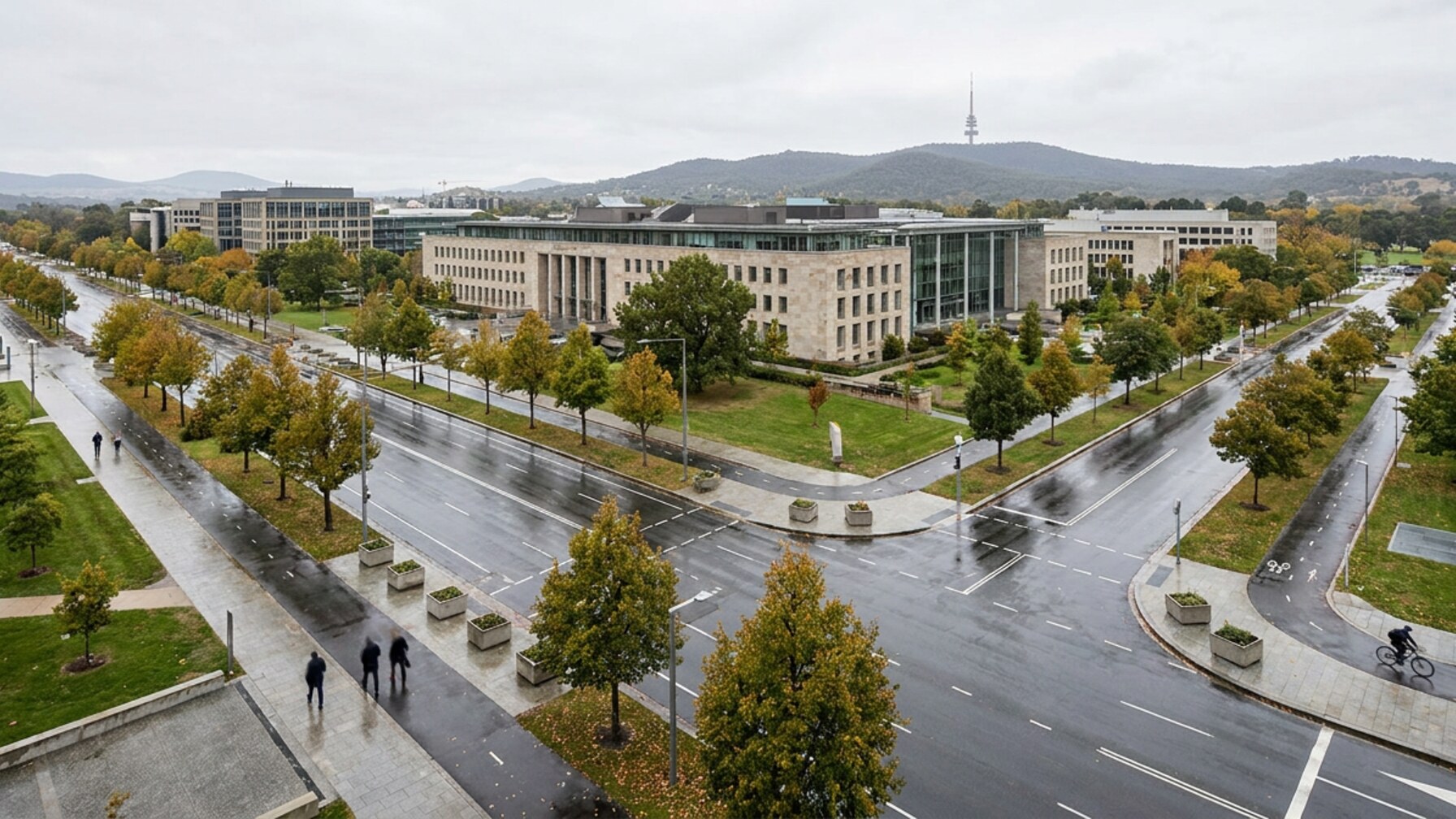
Economic performance in the nation’s capital is in the spotlight as the ACT government moves forward with major developments like the light rail Stage 2 expansion and policy shifts aimed at cooling the overheated housing market. These initiatives have significant implications for the city's public servants and local businesses, making this a critical moment to understand the underlying numbers.
The local economy remains anchored by the public service, the largest employer in Canberra, with more than 42,000 people working in federal government roles as of June 2026, according to the ACT Treasury. Employment data from the Canberra Business Chamber confirms a 1.5% increase in public sector job numbers since last June, reflecting steady recruitment to support expanded policy programs.
Meanwhile, the light rail Stage 2 project, extending from Gungahlin to Woden via Belconnen and Civic, has injected an estimated $180 million into local construction contracts in the past year. The ACT Government’s Transport Canberra agency reports progress with 35% of civil works completed as of July 2026, signaling ongoing boosts to the construction sector and related services along key corridors such as Northbourne Avenue and Ainslie Avenue.
However, economic gains coincide with intensifying housing affordability challenges. The Real Estate Institute of the ACT (REIACT) put Canberra’s median house price for June at $890,000, a 6.3% increase from twelve months earlier. Units, particularly in inner-city suburbs near Civic and Braddon, saw median prices rise to $520,000, making it tougher for junior public servants and university graduates-many from ANU and UC-to enter the market.
Rent prices have also climbed, with data from Domovoi Property Management showing average weekly rents in Gungahlin reaching $590, up 5% from last year. This contrasts with slower wage growth for public servants, averaging 2.1%, according to the latest public sector enterprise agreements.
On the business front, local hospitality venues on Lonsdale Street and at the Canberra Centre are benefiting from higher disposable incomes, with sales revenue climbing by an estimated 4.4%. Yet rising operating costs tied to utilities and wages remain prevalent concerns among small and medium enterprises.
Looking ahead, the ACT government’s economic strategy emphasises diversification with a focus on high-tech, education, and creative industries, sectors closely linked with ANU and UC research centres. The government’s commitment to a $120 million innovation fund is designed to facilitate start-up growth and new job creation by 2028.
For residents weighing career and housing options, financial counsellors recommend reviewing current rental agreements in light of projected inflation and exploring government-backed first-home buyer schemes tailored to public sector workers. Meanwhile, businesses are advised to stay engaged with Chambers of Commerce briefings and government procurement programs tied to light rail and urban development projects.
News

News

News

News
News
News
About this article
Published by The Daily Canberra
Spread the word
Daily brief
Free, in your inbox before 7am. Weekdays.
The Daily Network — local news across Australia