News
How Recent National Changes Ripple Through Canberra’s Local Scene
From visa fees to aged care, a look at the factors shaping current local issues in Australia’s capital city.
3 min read
Updated 14 h ago
News
From visa fees to aged care, a look at the factors shaping current local issues in Australia’s capital city.
3 min read
Updated 14 h ago

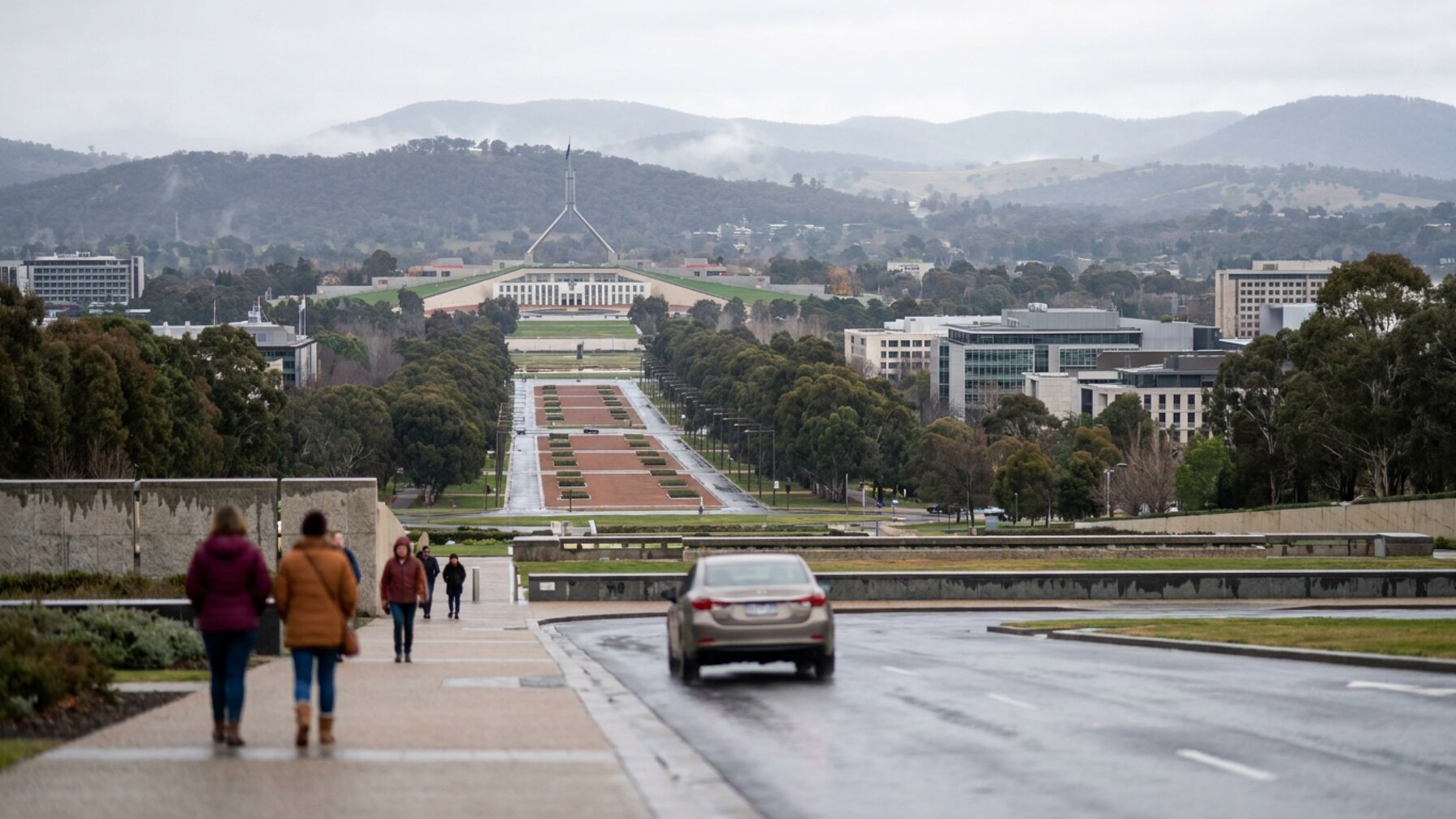
Canberra, as Australia’s administrative heart, is feeling the weight of recent national developments that influence everything from immigration costs to aged care pricing. These shifts, reported widely in the past week, are not isolated; they build on policies and debates that have developed over time and now intersect with Canberra’s unique social and economic fabric.
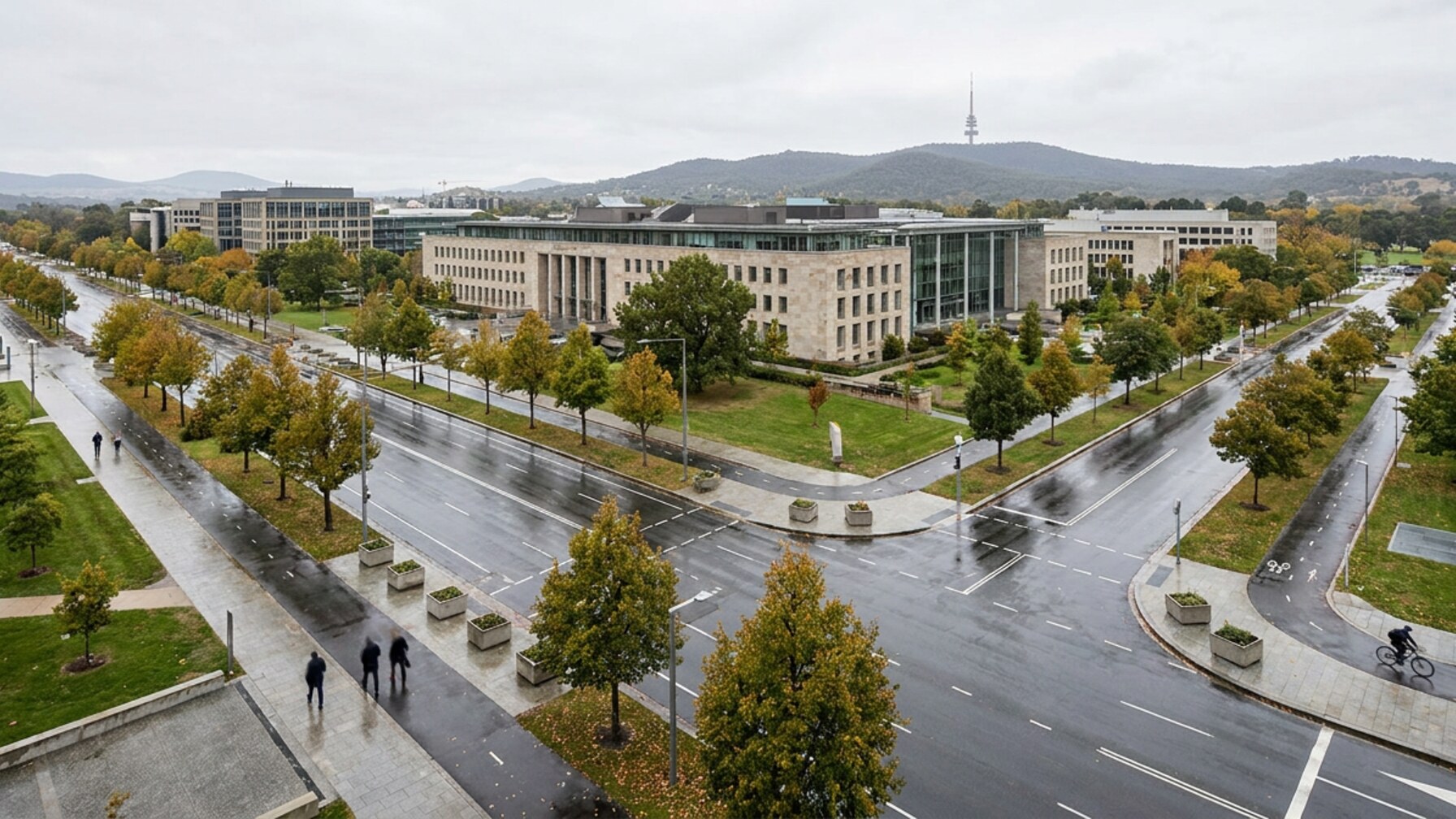
The recent increase in visa fees announced by the federal government has raised eyebrows among Canberra’s large public service workforce and education sectors. While specific local numbers have yet to be detailed, following reports of “unfair” hikes affecting international students, it is clear that Canberra’s universities and research institutions-like the Australian National University and the University of Canberra-are among the stakeholders most likely to feel the effect. Canberra’s growth suburbs, which house a mix of student renters, public servants, and families, may also encounter ripple effects from such national immigration policy shifts.
Meanwhile, aged care concerns persist locally amid growing scrutiny of the sector’s billing practices. An investigation highlighted by a recent story about Dorothy’s experience of being charged $52 daily for services she did not need or use-which is emblematic of a broader challenge in aged care affordability and transparency-reflects ongoing issues impacting Canberra’s aged care facilities. This sort of consumer protection topic holds particular relevance to Canberra’s older residents and their families.
Why are these issues coming to the fore now? The answer lies partly in a confluence of long-standing debates and recent administrative actions. Visa fees have been gradually increasing, but the latest adjustments have sparked public backlash that caught attention across the country, including in Canberra. This is critical as the city depends on a flow of skilled migrants and international students to maintain its workforce and academic vitality.
Similarly, the aged care sector’s problems are not new but have gained sharper focus amid regulator investigations and media reports that shine a light on questionable billing practices. Canberra’s population demographic and the significance of public service employment mean that these issues resonate locally as well as nationally.
Digital transformations also play a role. Canberra’s significant government presence lends itself to adopting systemic changes such as the phasing out of paper arrival cards for travelers, mapping to broader national digitisation efforts.
Although no specific Canberra statistics were reported on these topics, the qualitative evidence from multiple ongoing national discussions underscores the interconnectedness between federal policy changes and the lived experience of residents in the ACT’s suburbs, institutions and services.
As these national narratives evolve, Canberra residents, students, workers in public service, and families with elderly members may find their concerns reflected in emerging government responses and community conversations. Staying informed about federal policy changes, advocating for transparent service charges, and following institutional announcements remain important steps for those affected.
Residents may also consider engaging with local advocacy groups and regulatory bodies to ensure their voices are heard in ongoing debates about immigration costs and aged care quality. Meanwhile, stakeholders in education and public service employment may need to factor these national developments into future planning and budgeting decisions.
News

News

News

News
News
News
About this article
Published by The Daily Canberra
Spread the word
Daily brief
Free, in your inbox before 7am. Weekdays.
The Daily Network — local news across Australia