News
How Canberra’s Education System Compares Globally Amid Local Challenges
With a major public service workforce and two top universities, Canberra’s education sector faces unique pressures compared to similar cities worldwide.
3 min read
News
With a major public service workforce and two top universities, Canberra’s education sector faces unique pressures compared to similar cities worldwide.
3 min read

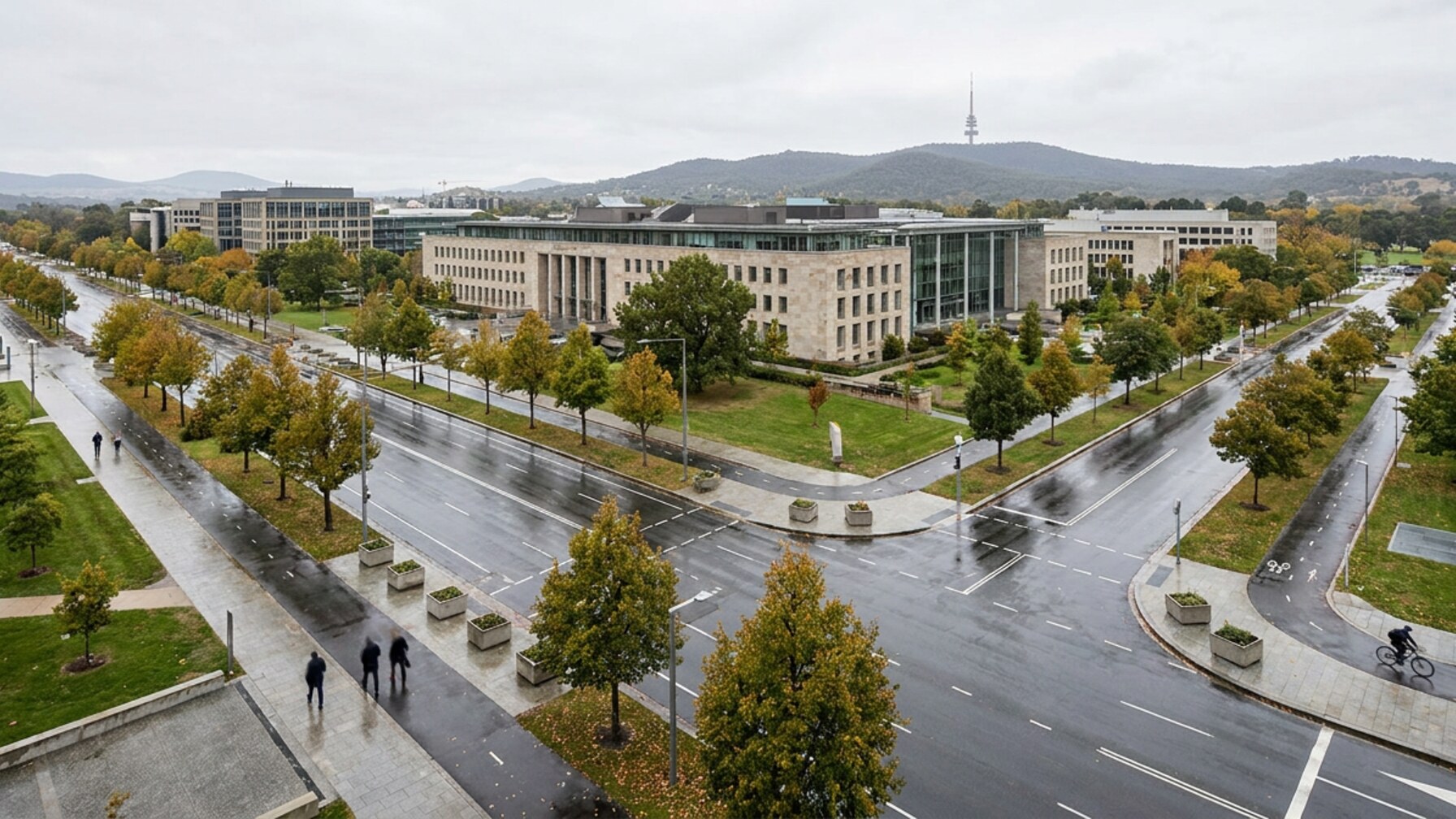
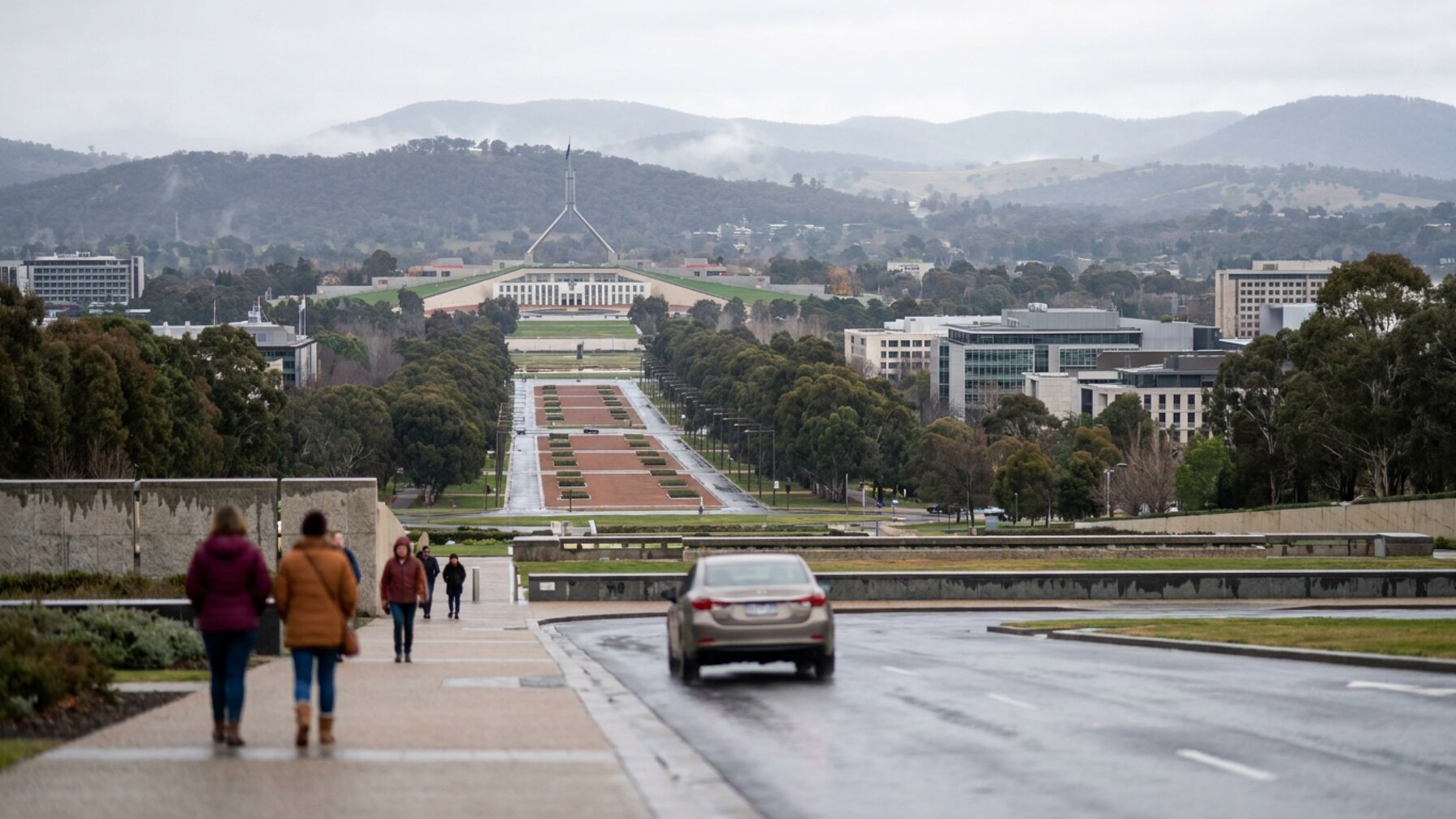
Canberra’s education sector is navigating challenges common to capital cities with significant public service populations, but its approach to managing school capacity and higher education access stands apart in subtle ways. While global cities grapple with affordability and overcrowding, Canberra balances growth with strategic investments, notably near Gungahlin and Belconnen, where demographic pressures are sharpest.
The timing of this scrutiny follows broader discussions about Canberra’s infrastructure, including the active public debate over light rail extensions and urban expansion in northern districts such as Gungahlin. As the city continues to evolve as Australia’s administrative and political hub, demand for quality education, from primary through tertiary, is increasing. This affects not just families but also the thousands of public servants and researchers linked with institutions like the Australian National University (ANU) and the University of Canberra (UC).
Addressing education has become critical because of the workforce composition in Canberra, which relies heavily on consistent upskilling and capacity to recruit new talent. The affordability of housing around educational precincts also directly influences staff retention at these key organisations.
The ACT Labor government has focused on expanding school facilities in priority growth suburbs. New schools and upgrades across the city, including significant investment in Belconnen and Gungahlin, aim to keep pace with rising enrolments. This expansion is intended to ease pressure on existing campuses while integrating modern technologies and sustainability features.
At the tertiary level, ANU and UC research programs continue to attract international scholars, although visa fee hikes nationally have raised concerns for prospective overseas students. Though no specific local pricing changes were announced, national-level visa cost increases could impact Canberra’s international education appeal.
The city’s education ecosystem is further supported by transport infrastructure enhancements, such as ongoing debates about light rail stage 2 upgrades, which promise improved accessibility to educational institutions across growing suburbs.
Unlike larger metropolitan education hubs globally that face pronounced overcrowding and stretched resources, Canberra benefits from planned urban growth strategies that tie educational development to overall city planning. While schools in major cities worldwide report rising class sizes and resource shortages, Canberra’s phased school construction programs offer a more measured response, maintaining manageable student numbers per classroom.
At the university level, while global competitors face funding uncertainties, Canberra’s institutions leverage their close ties to federal government departments and research bodies, allowing for potentially steadier investment patterns and collaboration opportunities. However, ongoing visa policy changes at the national level may temper these advantages by deterring international enrolments.
For families, public servants, and students in Canberra, the current strategy means continued attention to expanding local schooling options and improving transport links to campuses. Parents living in suburbs like Gungahlin and Belconnen should watch for announcements of new school openings and infrastructure projects that will affect access and capacity.
International students eyeing Canberra’s universities should stay informed about visa pricing and conditions as these factors evolve nationally, influencing student numbers and campus diversity. Meanwhile, policymakers in Canberra appear committed to balancing growth without compromising education quality, a task increasingly vital amid the city’s demographic and economic pressures.
News

News

News

News
News
News
About this article
Published by The Daily Canberra
Spread the word
Daily brief
Free, in your inbox before 7am. Weekdays.
The Daily Network — local news across Australia