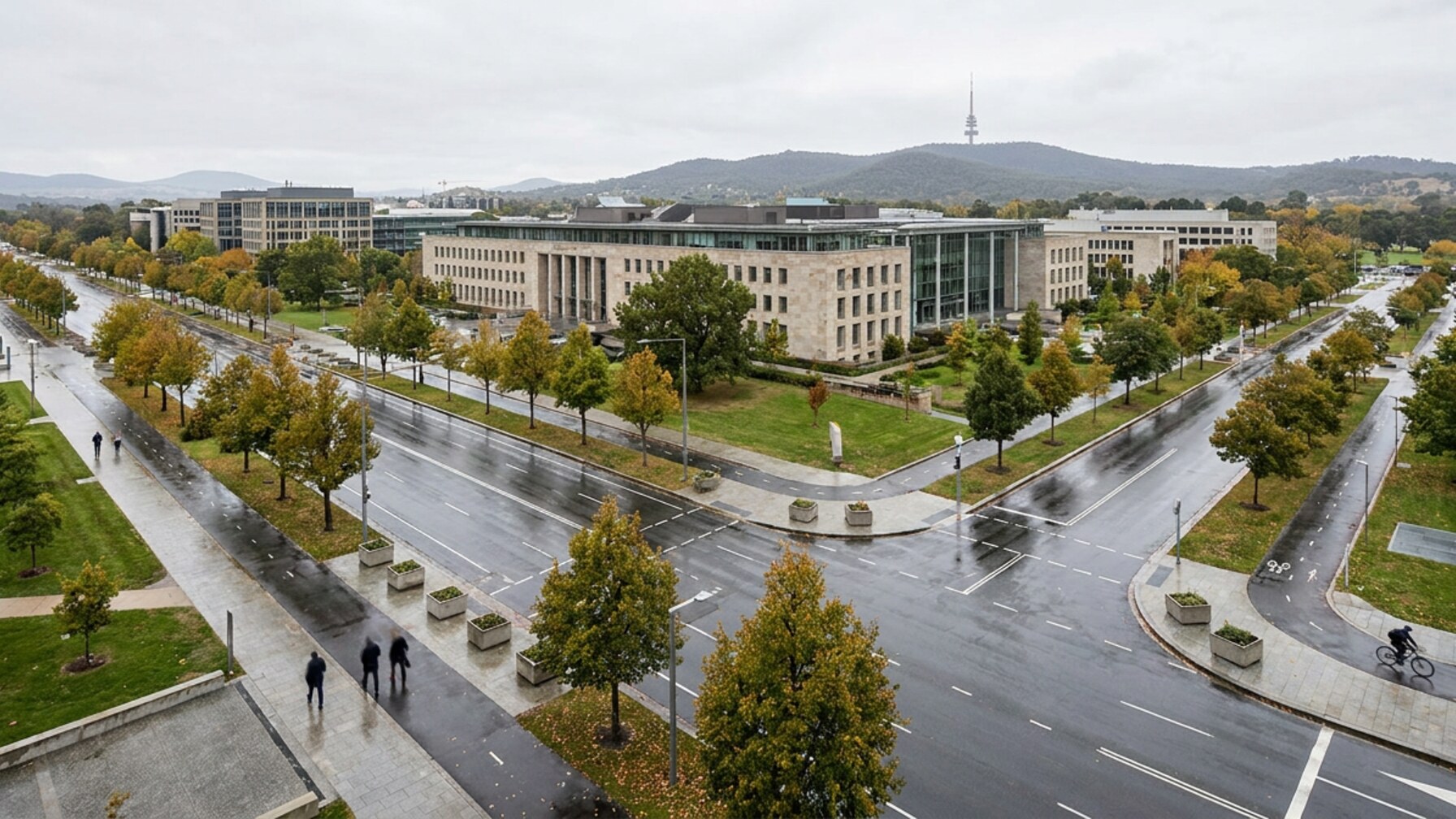
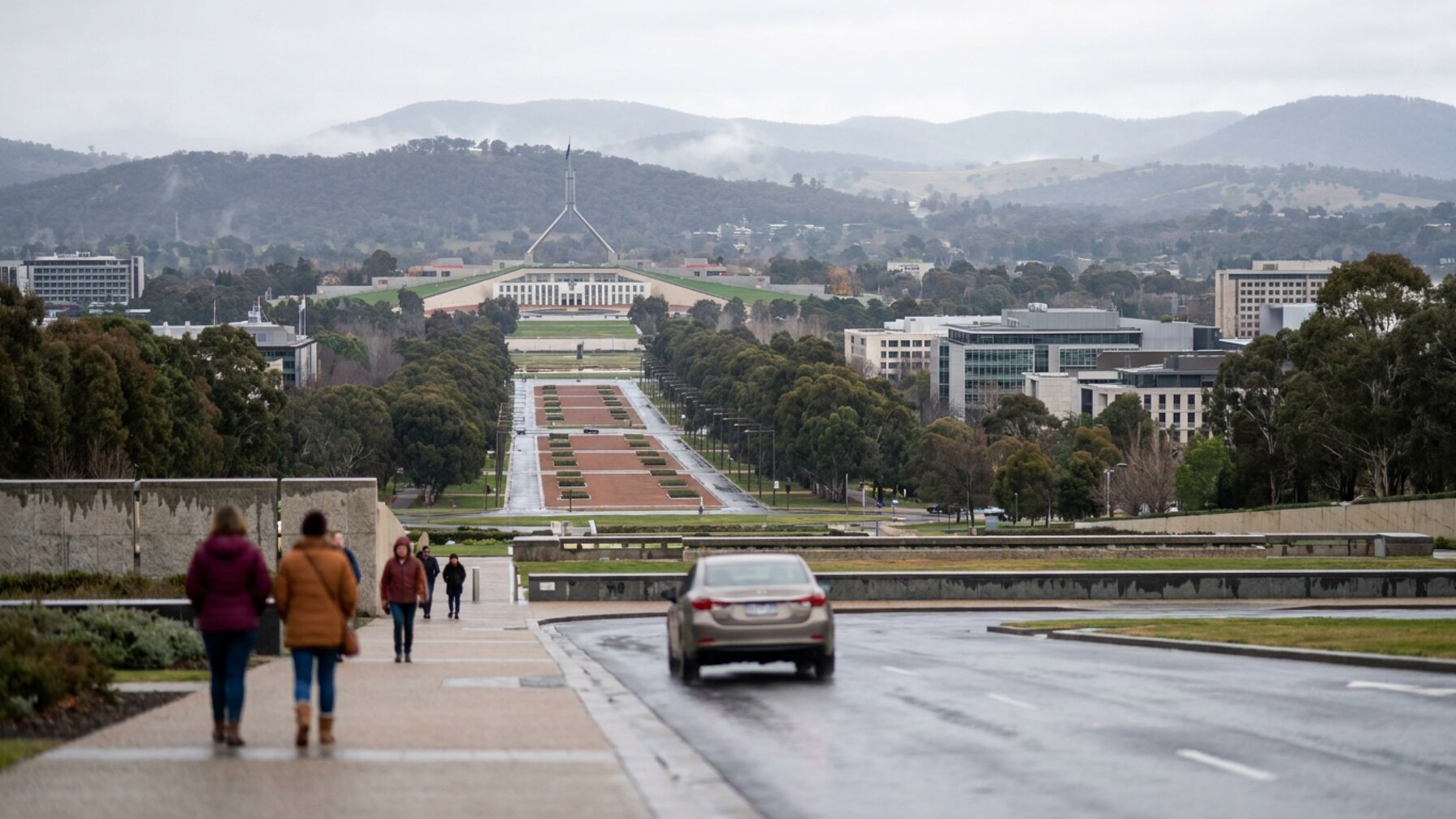
Canberra’s local economy remains heavily reliant on its federal public service and university research institutions, but new pressures on housing affordability and infrastructure investment demand decisive policy actions in the months ahead.
The stakes for Canberra’s economy in 2026
The city’s status as the seat of government and home to major academic institutions like the Australian National University (ANU) and the University of Canberra (UC) means public sector employment dominates the economic landscape. However, rising housing costs in growth corridors like Gungahlin and Belconnen, combined with debates over the extent and timing of light rail stage 2 expansion, have sparked concerns among public servants and locals about the sustainability of community growth and workforce retention.
This matters now because the intersection of these challenges shapes Canberra’s capacity to maintain economic resilience amid broader national and global uncertainties. The cost of living, transport connectivity, and availability of affordable housing directly impact the city’s ability to attract and hold skilled workers essential to government functions and research outputs.
Local factors shaping key decisions
Gungahlin and Belconnen are Canberra’s fastest-growing suburbs, with significant new housing developments aimed at accommodating the city’s expanding population. Yet, public feedback via community consultations highlights ongoing concerns about transport delays and limited affordable options, which risk exacerbating workforce strain.
Meanwhile, the debate around expanding the light rail stage 2 project focuses on whether to prioritise speed and cost-effectiveness over broader connectivity. Canberra’s light rail currently serves central districts but expanding service to outer suburbs is critical for easing traffic congestion and linking residents with workplaces and education hubs like ANU and UC.
With the ACT Labor government holding the administration, balancing infrastructure funding and managing growth demands political and fiscal trade-offs. Input from urban planners and public service representatives underlines the importance of integrated approaches that synchronise transport upgrades with housing and community services development.
Evidence points to a complex outlook
While precise statistics from local authorities are pending, qualitative evidence suggests Canberra faces a nuanced economic outlook. Rising property prices in Gungahlin and Belconnen have outpaced wage growth typical of public servants, triggering affordability challenges highlighted in various housing advocacy forums. Discussions around light rail extensions have centred on cost estimates and expected timelines, with some proposals calling for phased construction to mitigate budget impacts.
Economic analysts in the region note the interplay of constrained housing supply, infrastructure bottlenecks, and the need to maintain a skilled public service workforce creates a delicate environment requiring smart policy calibration.
Decisions on infrastructure investment, housing policy, and workforce support programs over the next year will prove pivotal for Canberra. Stakeholders anticipate incrementally staged projects and policy adjustments rather than sweeping overhauls, aiming to balance growth with livability.
For residents and workers, staying engaged with community consultations and monitoring government announcements will be key. Practical advice includes exploring housing options early, supporting public transport initiatives, and advocating for policies that ensure Canberra remains accessible and attractive to its core economic contributors.