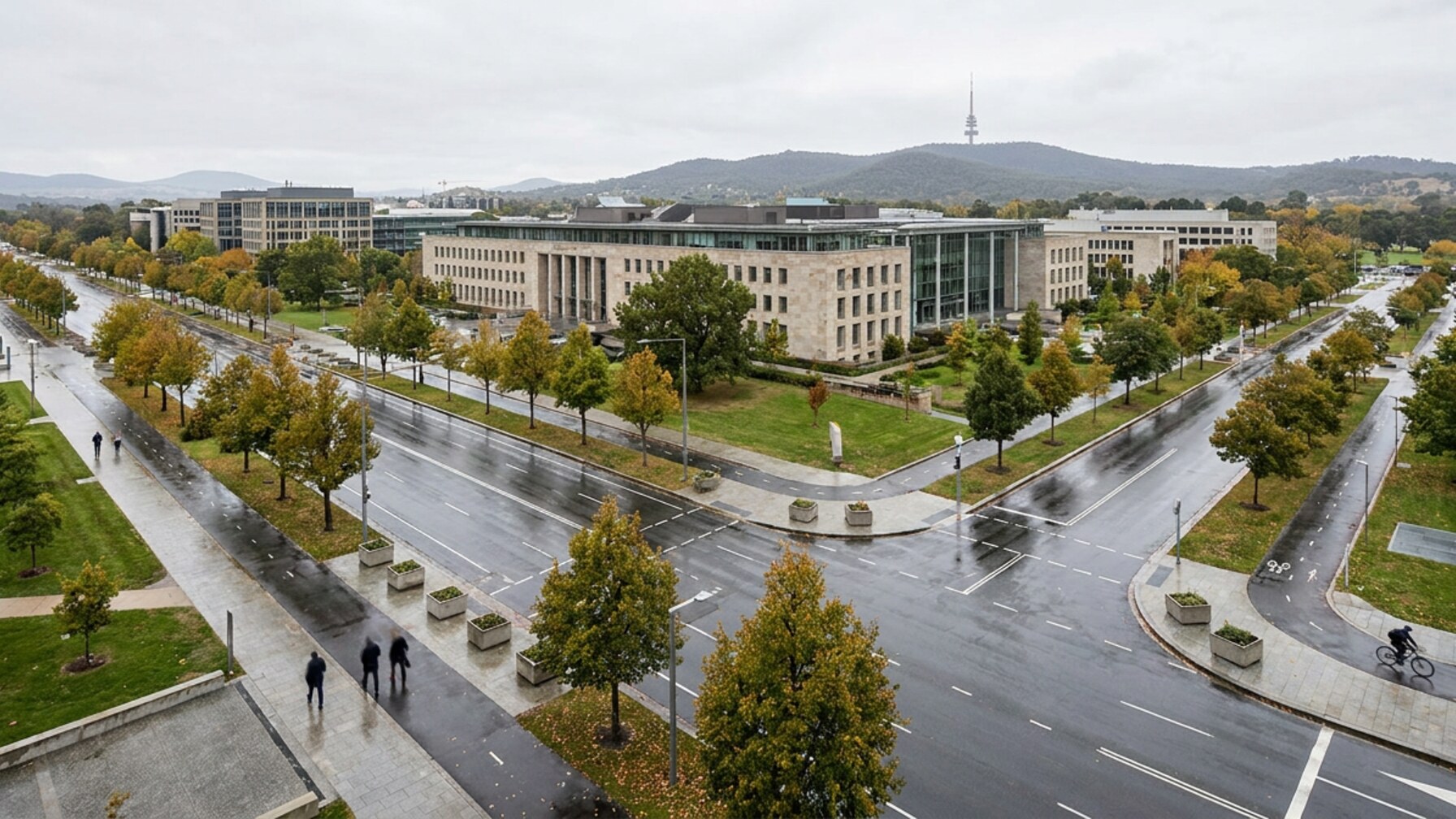
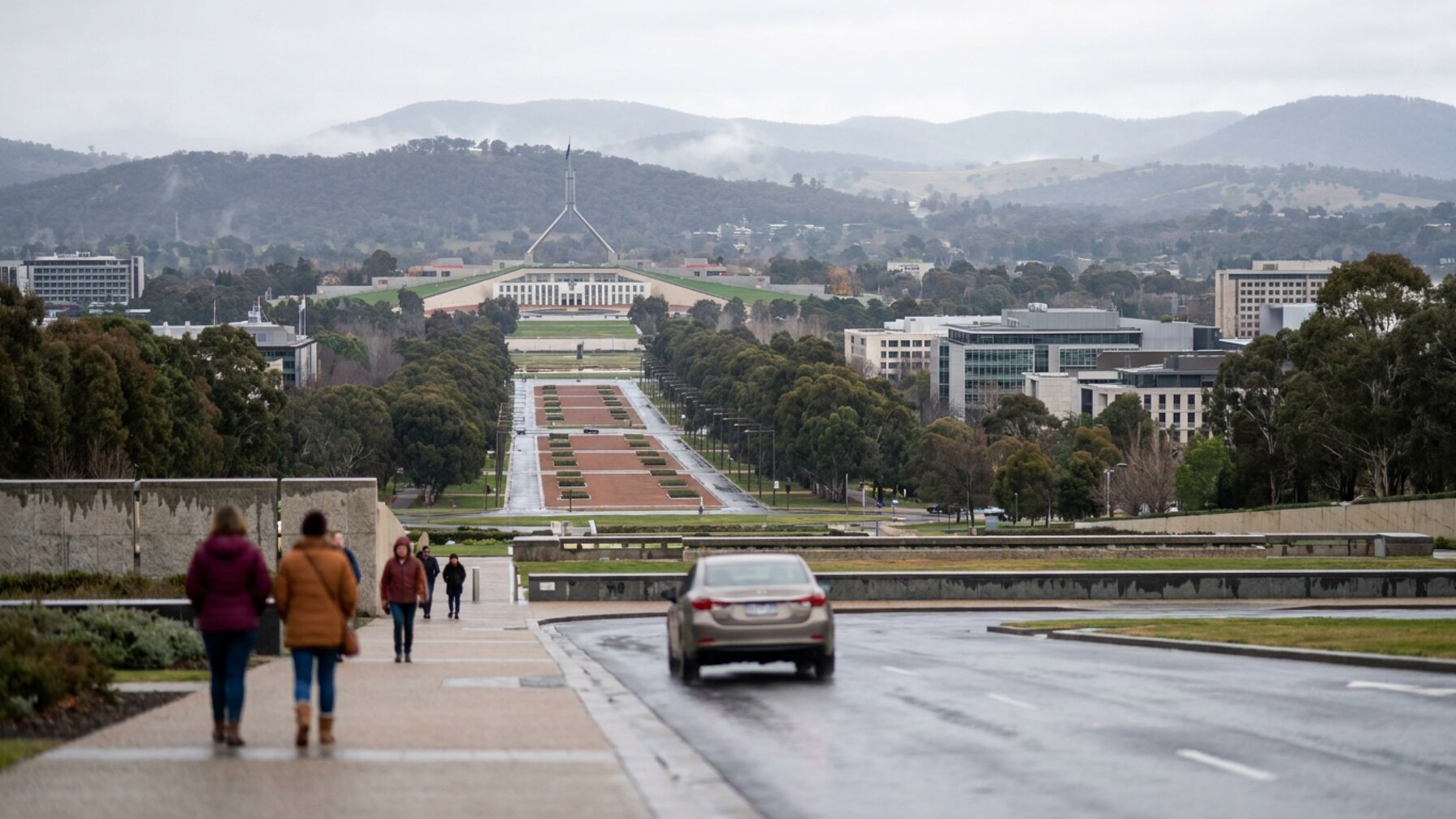
Canberra faces a series of pivotal decisions in the coming months as discussions intensify around infrastructure development, housing affordability for public servants, and reforms to electoral systems. These choices will influence the city’s growth and governance amidst evolving political dynamics at federal and territory levels.
Infrastructure and Housing: Balancing Growth and Accessibility
Stage 2 of Canberra’s light rail expansion through the Gungahlin and Belconnen districts remains a central topic for both ACT and federal stakeholders. The project aims to address transport access in rapidly growing northern and western suburbs, which are home to a large proportion of the public service workforce. The alignment and funding modalities are currently under debate in local government circles, with ACT Labor seeking to balance public demand with budget constraints.
Housing affordability is an intertwined issue linked closely with transport. The high concentration of public servants, alongside academic staff at institutions such as the Australian National University and the University of Canberra, faces pressure from rising property prices and rental costs. Although exact figures are not cited here, this trend has been noted within local urban development discussions, prompting calls for targeted affordable housing initiatives near key employment centres.
Electoral Reform and Political Crossroads
Meanwhile, at the federal level, moves to overhaul the voting system have provoked warnings from Victoria’s crossbench MP about the necessity for broader reform. While this debate unfolds in Canberra’s federal precinct, its outcomes could ripple through ACT’s political landscape by influencing voter representation and policy priorities. The dialogue on electoral reform underscores a period of political realignment and potential shifts in legislative approaches that will require careful monitoring by local stakeholders.
These developments are set against the backdrop of ongoing federal and ACT government collaboration and occasional tensions over urban planning and public service priorities, which are critical in a city where government institutions dominate the economy.
In the absence of new quantitative data in recent announcements, the qualitative picture is one of a city at a crossroads, juggling infrastructure expansion, demographic pressures, and governance reform. Stakeholders across government, academia, and the community will be closely watching forthcoming consultations and policy announcements.
Going forward, key decisions on funding for stage 2 light rail, affordable housing measures for public servants and university staff, and the trajectory of electoral reform will shape Canberra’s urban and political environment. Residents and local organisations are advised to engage with public consultation opportunities and keep abreast of policy refinements slated in the coming months to ensure their interests are represented in these critical conversations.