News
Community Safety Report Highlights Importance for Canberra Residents and Social Cohesion
Understanding local safety challenges is essential for maintaining Canberra’s quality of life and community wellbeing.
3 min read
News
Understanding local safety challenges is essential for maintaining Canberra’s quality of life and community wellbeing.
3 min read

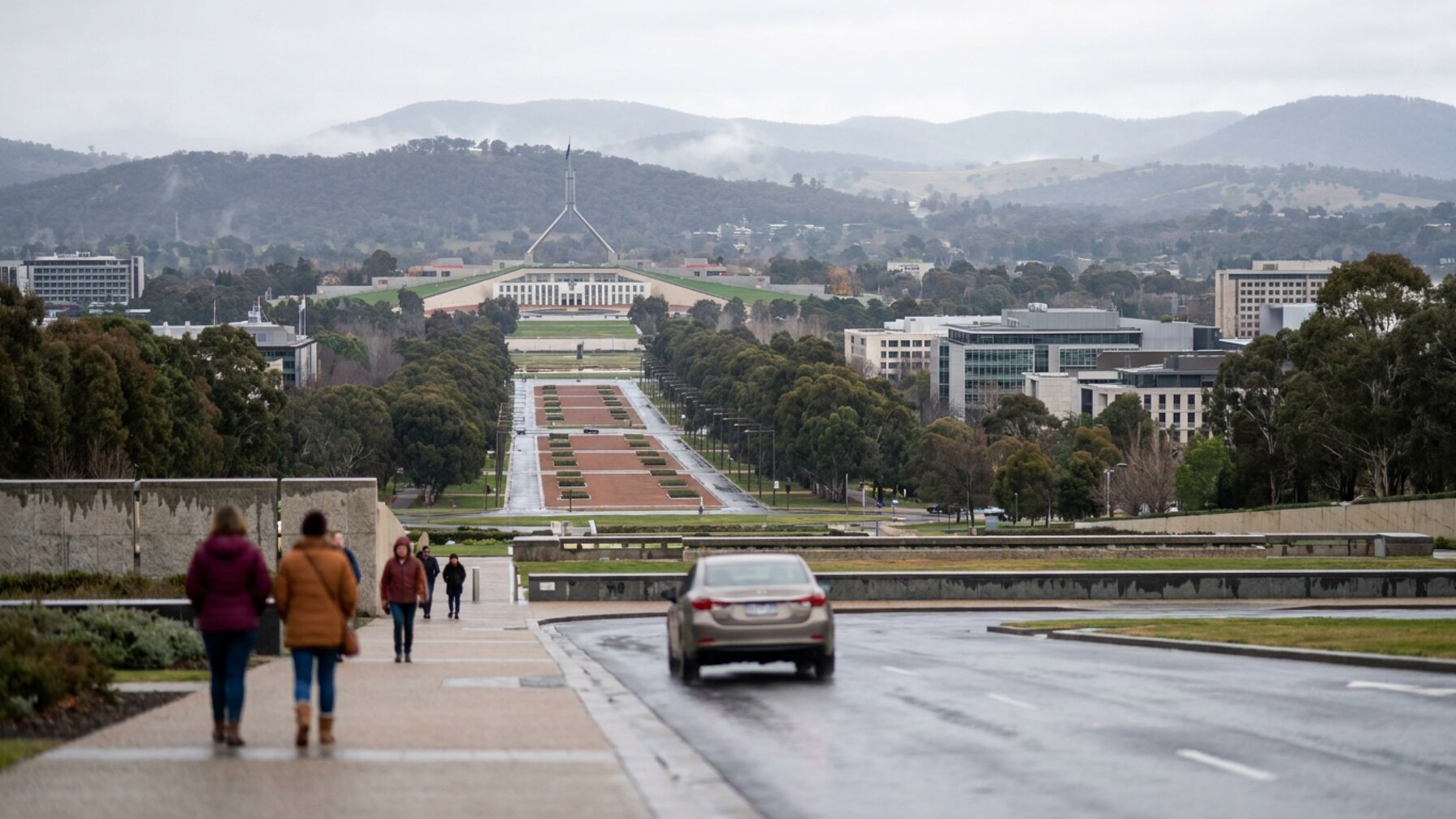
The latest community safety report underscores the critical importance of addressing safety concerns for Canberra’s residents. While specific crime statistics for the city are not available in today’s public sources, the report highlights broad issues that impact social trust and neighbourhood stability, affecting daily life for the territory's predominantly public service workforce and families.
Safety is a foundational element for any thriving community, particularly in a city like Canberra, where many residents work in government and research institutions and seek a secure environment for their families. Concerns over safety can influence decisions on housing, schooling, and local engagement. With Canberra experiencing steady growth in suburbs such as Gungahlin and Belconnen, the ability to maintain a secure and welcoming community becomes even more crucial.
Moreover, the debate over city infrastructure projects, such as the extension of light rail, indirectly relates to safety discussions, as better public transport can improve mobility, reduce isolation, and enhance surveillance in public spaces. Ensuring safety in these expanding urban areas supports social inclusion and economic opportunities.
Community safety impacts residents in tangible ways. In Canberra’s growth corridors, community hubs and parks serve as centres where families and neighbours connect, but they also require attention to safety measures to remain accessible and welcoming. Organisations such as local neighbourhood watch groups and community centres play a vital role in fostering a sense of security and cohesion.
The presence of major institutions, including the Australian National University and the University of Canberra, adds layers of responsibility for safety around campus precincts, where students, staff, and visitors converge. Although no new crime data is provided in today's briefing, the ongoing focus on safe environments around these educational precincts is essential for uninterrupted learning and research activity.
The broader community impact includes economic considerations too; perceived safety influences property desirability and affordability, important factors for Canberra’s large public service population. Where residents feel secure, local businesses and markets thrive, and community activities flourish.
While the recent news cycle today does not include fresh local crime statistics or specific figures on safety incidents within Canberra, qualitative evidence points to heightened resident interest in safety measures and services. This interest emerges alongside national conversations about policing, social inclusion, and urban development, shaping local priorities.
As Canberra evolves, the community's engagement with safety initiatives, whether through public consultation, support for local neighbourhood programs, or participation in policy shaping, will be key to sustaining positive outcomes. Residents can expect continued attention from local government entities to integrate safety improvements into planning and community services.
Looking ahead, practical advice for residents is to participate actively in local safety networks and stay informed about developments in urban infrastructure that influence public safety. Encouraging open dialogue between government, law enforcement, and communities remains crucial in ensuring Canberra stays a place where people feel safe and supported.

News

News

News

News
News

News
About this article
Published by The Daily Canberra
Spread the word
Daily brief
Free, in your inbox before 7am. Weekdays.
The Daily Network — local news across Australia