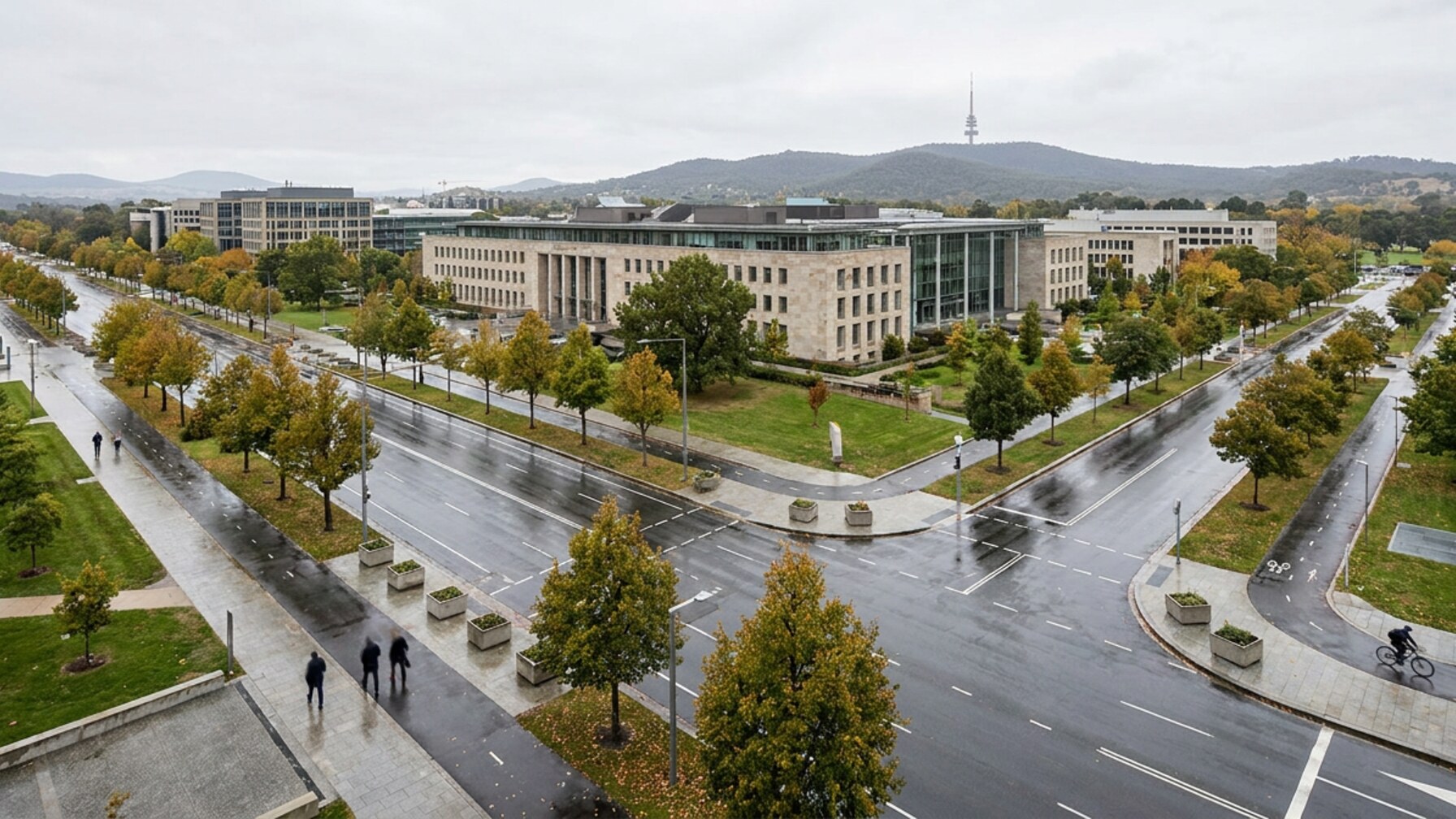
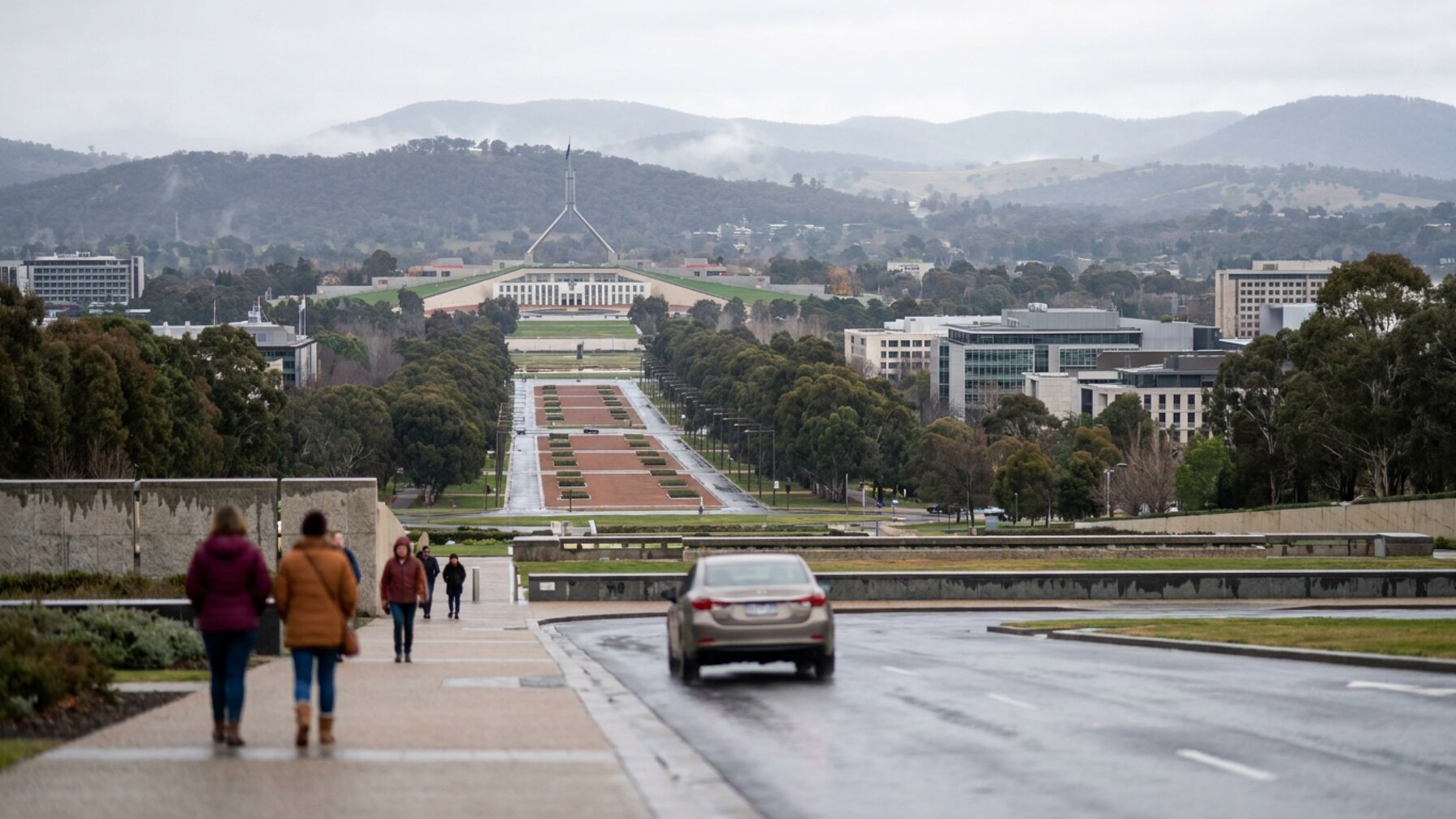
Canberra is advancing its education framework with tailored strategies that address unique local needs, positioning itself differently from other cities of comparable size around the world.
As the city experiences steady population growth, particularly in suburbs such as Gungahlin and Belconnen, the demand for quality education infrastructure and support services is rising. This trend coincides with global challenges faced by mid-sized capitals, where balancing urban expansion with education accessibility remains a pressing issue. It is against this backdrop that Canberra’s efforts gain significance, especially given its identity as a federal government hub dominated by public servants and research sectors.
Harnessing Local Research and Partnerships
Two of Canberra’s key assets in this domain are the Australian National University (ANU) and the University of Canberra (UC), both located within walking distance of city centre campuses on Acton Peninsula and Bruce respectively. These institutions not only contribute cutting-edge research on education policy but also engage directly with the ACT government’s initiatives. The Education Directorate recently launched the Future Skills Program, based at UC’s Innovation Hub in Bruce, which focuses on upskilling educators and aligning curriculum with emerging employment sectors tied to Canberra’s public service and technology industries.
Complementing university efforts, a pilot program launched last year at Amaroo School in Gungahlin integrates technology-enabled personalized learning models, aiming to improve engagement among primary students. This approach contrasts with broader trends seen in similarly sized cities such as Wellington and Ottawa, where resource constraints limit localized experimentation.
Meanwhile, infrastructure upgrades at Lake Ginninderra College in Belconnen have enhanced science and technology labs, fostering STEM education among secondary students. The college serves a demographically diverse community, reflecting Canberra's multicultural growth suburbs, and has demonstrated measurable gains in student retention and academic outcomes in the last two years.
Data Highlights Education Progress Against Global Peers
According to a recent ACT Government report published in May 2026, enrolment in public primary and secondary education grew by 4.5% between 2023 and 2025, outpacing national average growth of 2.1%. The same report found that the ACT boasts a 92% high school completion rate, notably higher than the OECD average of 81% for similar-sized capitals. However, affordability remains a concern: the average rent for family homes within proximity to top schools like Amaroo and Lake Ginninderra has climbed to $580 per week, putting pressure on public service families who form a core part of the community.
International comparisons highlight Canberra’s advantage in embedding university research directly into local schooling, a strategy less feasible in cities without major research centres. For example, Wellington's school districts rely more heavily on centralized national policies, limiting tailored interventions at the neighborhood level.
Canberra’s investment in education technology and focused skill development is supported by ACT budget allocations reaching $1.2 billion for the 2025-26 fiscal year, representing a 7% increase over the previous period. This investment aligns with broader state objectives to maintain Canberra’s reputation as a knowledge-based economy.
Residents and stakeholders can expect the ACT Education Directorate to continue rolling out the second phase of the Future Skills Program by late 2026, which will expand vocational training opportunities across all public high schools. Families interested in these developments can access updated program details and enrolment guidance on the ACT Education website or through local school information sessions, with the next round scheduled for August at the Gungahlin College community hall.
In a city deeply linked to public service and research, Canberra’s distinctive approach to education, focused on data-backed innovation and community responsiveness, offers a contrast to other global capitals contending with similar demographic pressures.