News
The Road to Canberra’s Infrastructure Crossroads: Understanding How We Got Here
A look back at planning and population pressures that shaped current major projects in Australia’s capital.
3 min read
News
A look back at planning and population pressures that shaped current major projects in Australia’s capital.
3 min read
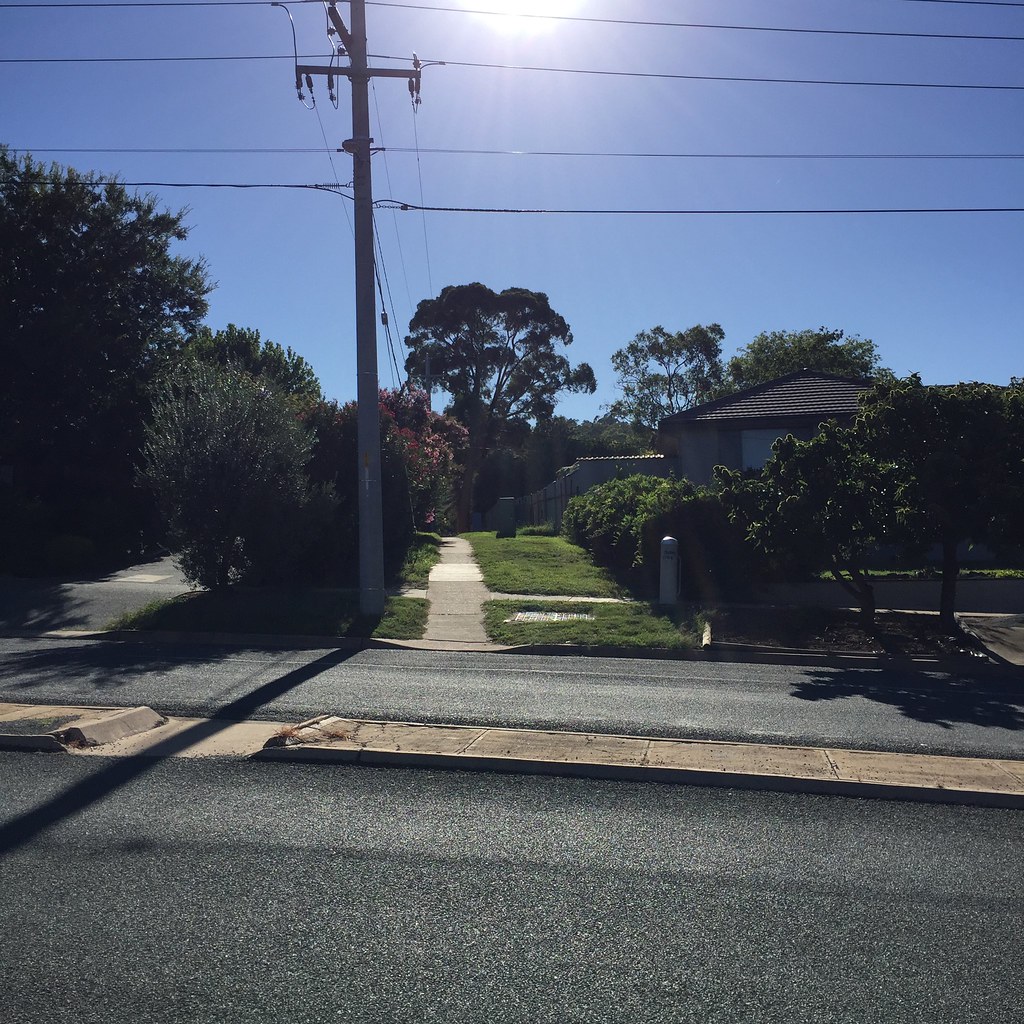
Canberra finds itself at a critical juncture of infrastructure development, with multiple large-scale projects underway or planned, including the long-debated Light Rail Stage 2 extension and the expansion of public service facilities. These projects are the culmination of decades of population growth, urban planning decisions, and evolving federal commitments shaping the city’s transport and workspace infrastructure.
The timing of these infrastructure efforts is linked directly to Canberra’s rapid population increase and the need to sustain its role as Australia’s federal government city. Over the past 15 years, the Australian Capital Territory (ACT) experienced a growth rate that outpaced the national average, placing pressure on road networks, public transit, and government office space. This strain has galvanized both ACT and federal authorities to accelerate investment to meet demand and improve liveability.
Since the early 2000s, Canberra’s Gungahlin and Belconnen districts have been focal points for residential and commercial development, attracting thousands of new residents, many of whom are public servants. Gungahlin, once a semi-rural area, has seen its population swell from approximately 15,000 in 2000 to over 90,000 in 2026, according to ACT government statistics. The Light Rail Stage 1, which opened in 2019 connecting Gungahlin Town Centre to Civic, was a response to burgeoning commuter needs. The subsequent plan to extend the line further into southern suburbs like Woden reflects ongoing efforts to create integrated transport solutions.
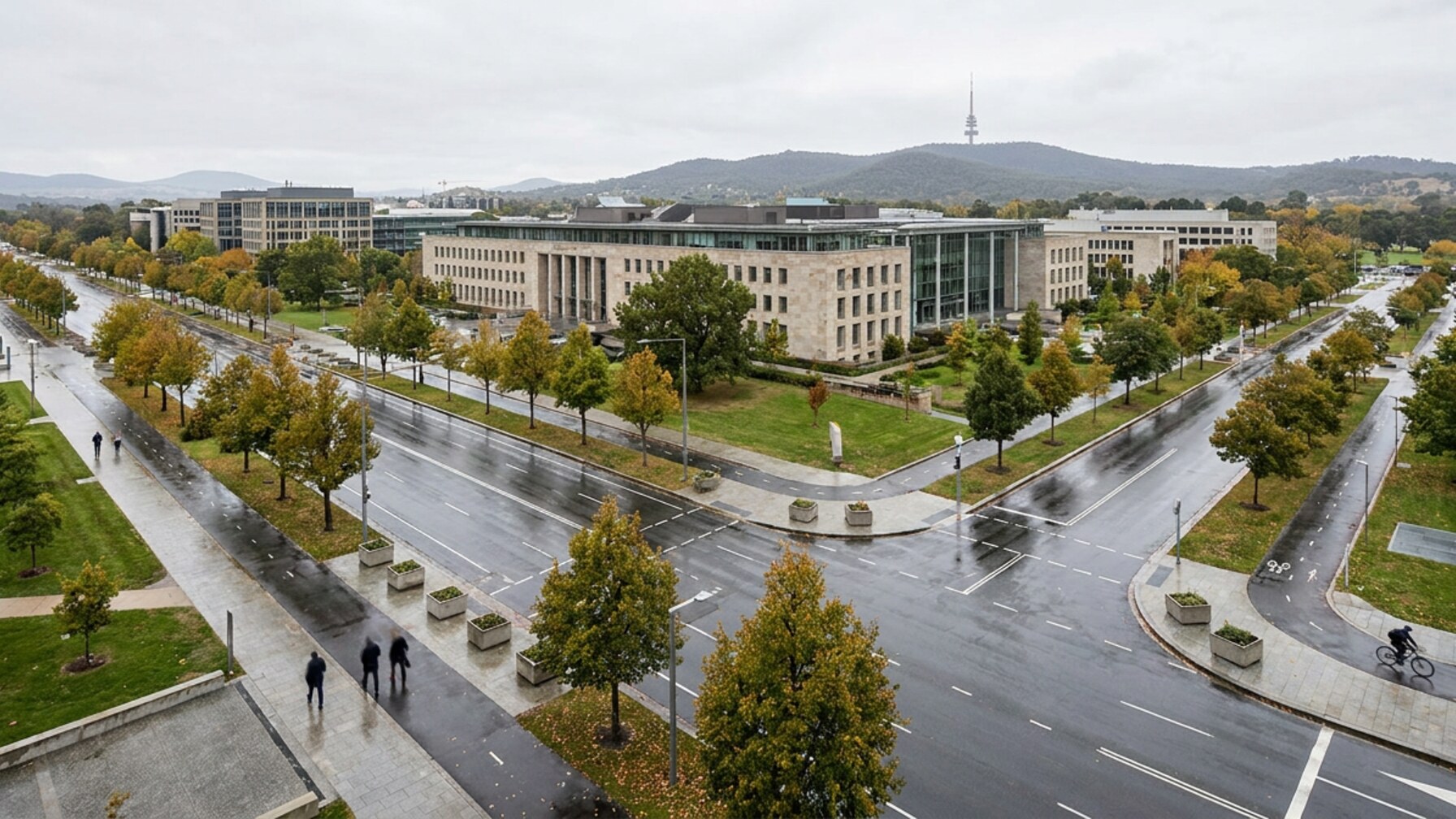
Alongside transport, infrastructure for federal agencies has also grown. The Department of Defence headquarters on Russell Offices underwent expansions in 2024, adding over 2,000 workstations. Similarly, the Australian National University (ANU) campus reinvested in scientific facilities in the Canberra district, emphasizing research infrastructure to support local innovation ecosystems.
Recent budget allocations provide a quantitative window into this infrastructure surge. The ACT government secured $620 million from the federal government in the 2025-26 budget to fund Light Rail Stage 2, which aims to link Civic with Woden via major streets such as Adelaide Avenue and Denison Street. Meanwhile, the ACT’s own forward infrastructure plan projects over $1.3 billion invested in road upgrades around Belconnen, focusing on improved arterial connections like Ginninderra Drive and Benjamin Way.
Public transport usage has grown steadily as well. Canberra Metro reported an increase from 12,000 average weekday boardings in 2019 to close to 18,500 in 2025, highlighting the rising demand for alternatives to car travel. Yet housing affordability continues to challenge many public servants, particularly those employed in the large federal departments and research institutions, where median house prices in suburbs such as Crace and Macquarie now exceed $950,000.
The interdependency of these data points underscores the complexity of infrastructure policies. Population pressures feed into transit demand, which in turn influences decisions on workspace expansions and housing development.
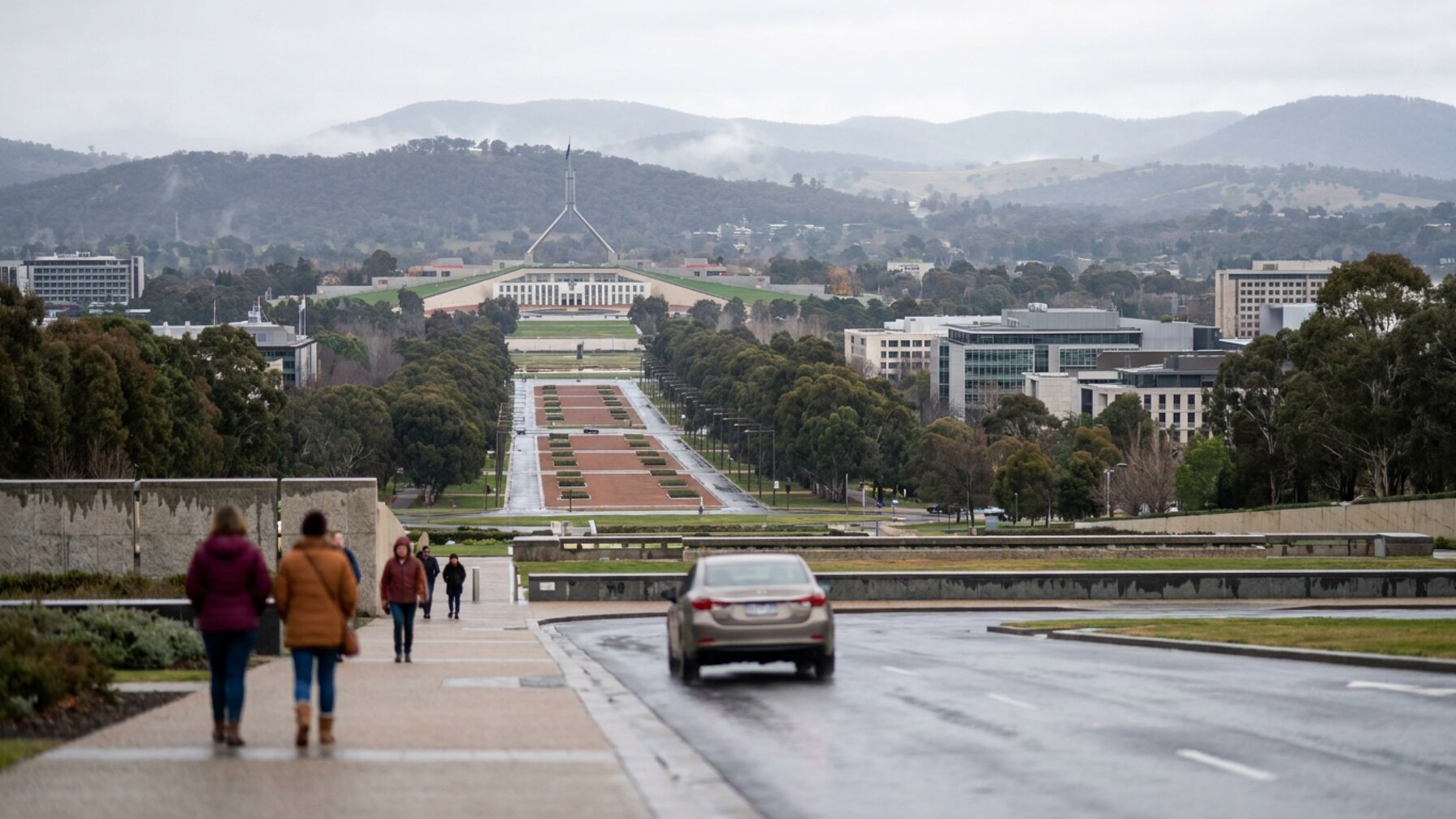
Looking ahead, city planners and policymakers will need to maintain close coordination across the ACT government, federal agencies, and private developers to ensure infrastructure keeps pace with growth. Residents should anticipate ongoing construction and disruptions along key corridors like Northbourne Avenue, but can expect improved connectivity and better public service facilities within the next two years. Staying informed through ACT government updates and participating in community consultations will be critical for Canberrans as their city continues this transformation.
News
News

News

News
News
News
About this article
Published by The Daily Canberra
Spread the word
Daily brief
Free, in your inbox before 7am. Weekdays.
The Daily Network — local news across Australia