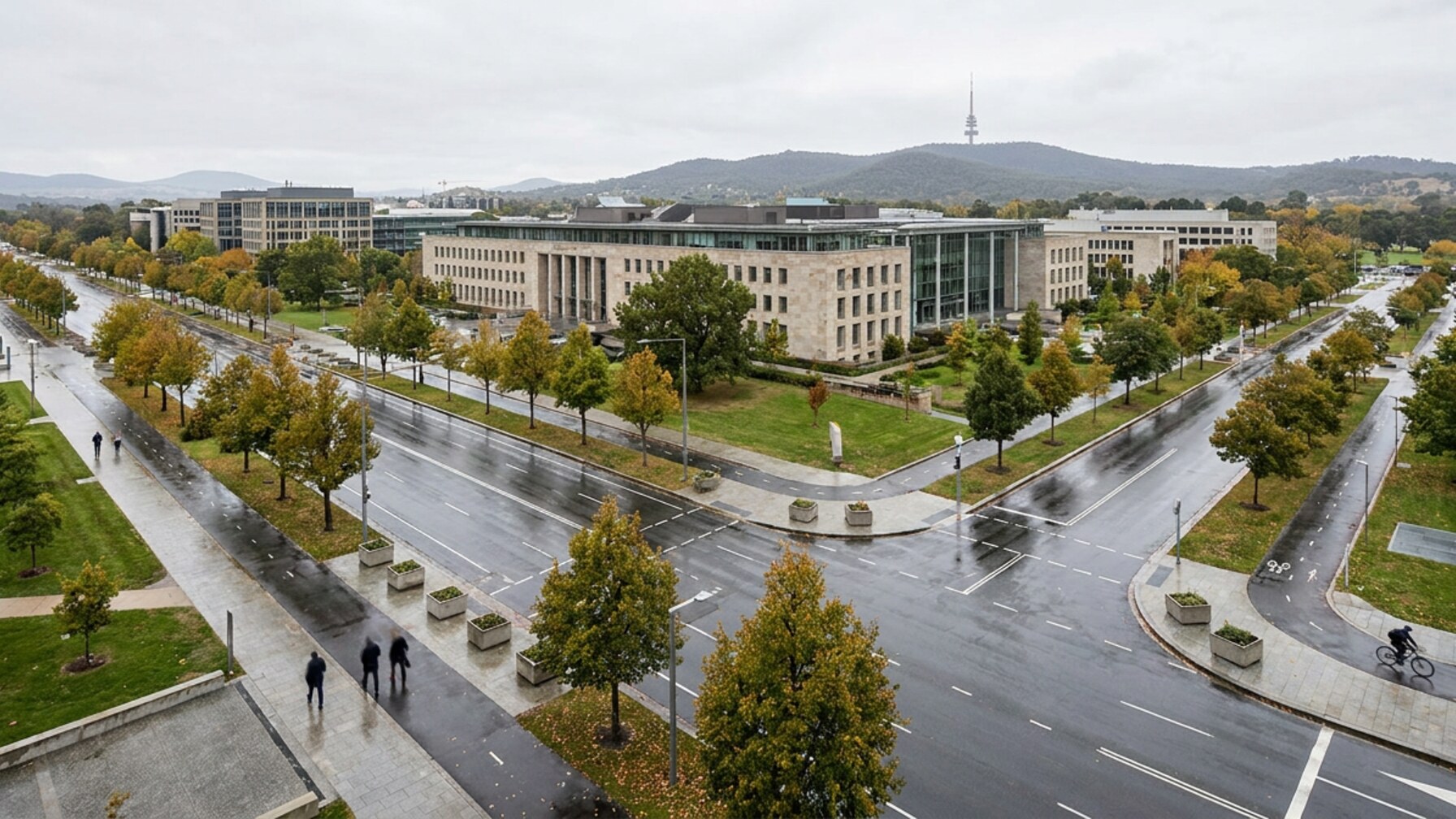
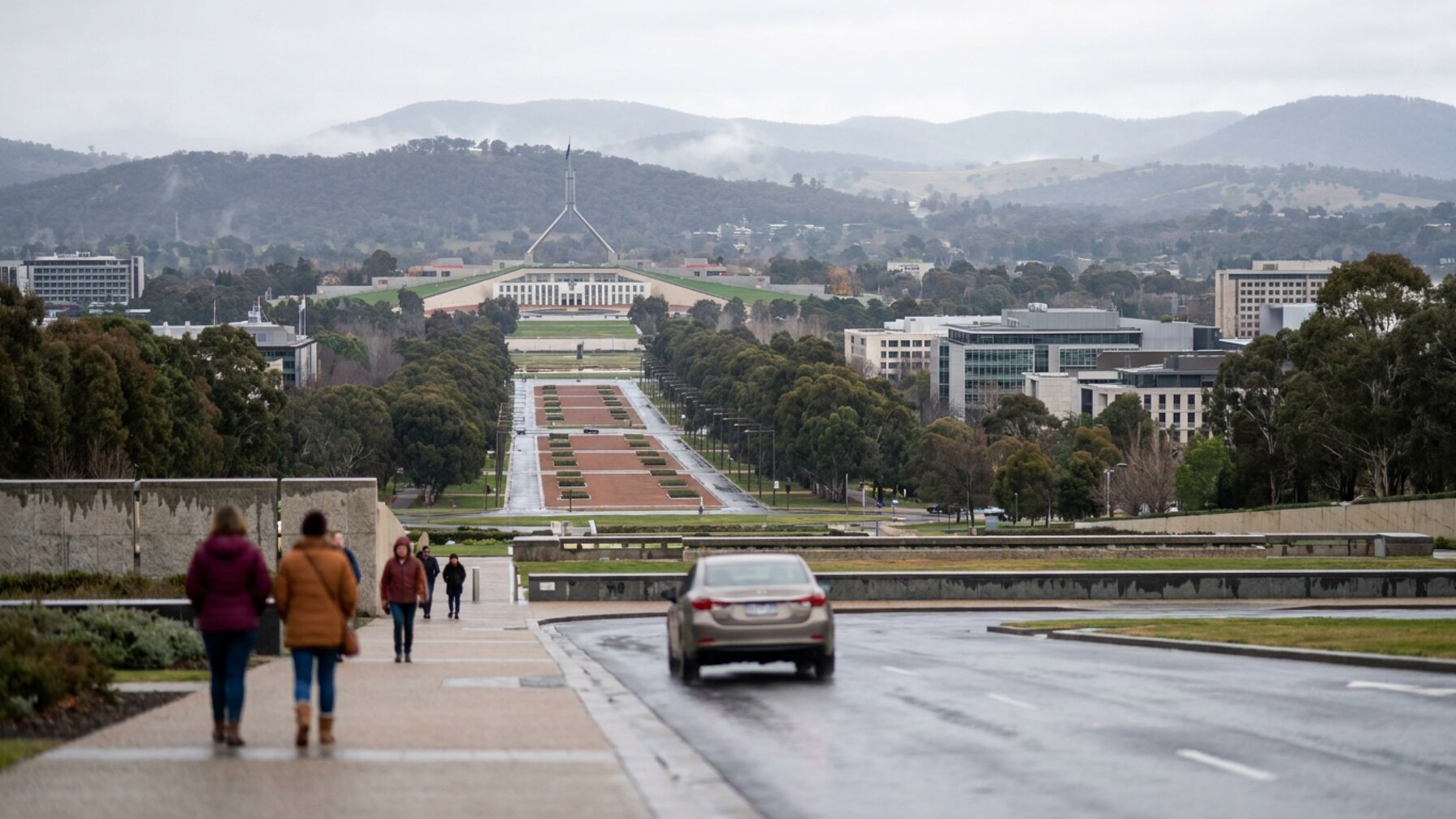
Canberra has a infrastructure problem that goes beyond potholes and broken footpaths. The city's major projects are moving at a pace that would frustrate even the most patient commuter-and a comparison with global cities suggests the ACT capital is falling behind on the speed and certainty of delivery.
The Light Rail Stage 2 debate crystallises the issue. The first stage, completed in 2019, took five years to deliver and cost $720 million. Stage 2 to Woden has been discussed for years, with the ACT government announcing a revised business case in 2024 but no confirmed start date or final funding commitment. Meanwhile, Adelaide just opened its new O-Bahn extension to Grange, completing a project that began in 2016. Melbourne's suburban rail loop continues expanding, with multiple stations under construction simultaneously. Even Perth, a city often compared to Canberra for size and demography, has delivered its new Elizabeth Quay precinct and multiple transport connections since 2015.
The differences matter for a city built around a planned economy. Canberra's growth suburbs-Gungahlin, Belconnen, and now the emerging districts around Molonglo-depend on coordinated infrastructure. Without certainty on transport links, schools, and community facilities, the recruitment pitch to public servants considering relocation softens considerably. The Australian Public Service Commission reported in 2025 that Canberra's ability to attract federal agency staff outside the core ACT remained a challenge, with infrastructure uncertainty cited in exit interviews.
The funding reality
Canberra's infrastructure delivery machinery is constrained by its revenue base. The ACT government collected approximately $4.2 billion in revenue in 2024-25, with a significant portion committed to health, education, and emergency services. Infrastructure capital spending averaged $450 million annually over the past three years. By contrast, Melbourne has access to Victorian state revenues exceeding $65 billion, plus federal support, allowing it to fund multiple major projects in parallel. Auckland, which manages a similar population base to Canberra, raised $5.8 billion NZD in the past financial year through a mix of rates, grants, and bonds specifically for infrastructure.
The ACT's borrowing capacity exists but comes with constraints. Treasury officials have outlined debt limits aligned with national benchmarks, restricting the government's ability to finance large projects without federal grants or strategic partnerships. Light Rail Stage 1 relied heavily on federal funding from the Building Australia Fund. Stage 2 remains unfunded at a detailed level, pending federal decisions that shift with election cycles.
Real costs compound delays. Sydney's second metro line is now projected to cost $25 billion-nearly triple initial estimates. Canberra's Stage 2 business case suggests costs between $2 billion and $2.5 billion in today's dollars, but the ACT government hasn't locked in a delivery timeline. Each year of delay adds an estimated 3-4 percent to construction costs through inflation and supply chain pressures.
What comes next for the capital
The infrastructure pipeline exists. The ACT's 20-year transport strategy targets improved connections from Woden through to Gungahlin. The Canberra Hospital expansion on Yamba Drive is progressing, with a new mental health facility opening in 2027. Molonglo will eventually require schools, shops, and transport links. But without Light Rail Stage 2 funded and under construction by 2027, the city risks a decade-long gap in major transport investment-something Perth and Adelaide have avoided through bipartisan consensus and earlier federal backing.
The practical fix is straightforward: lock in federal-ACT funding agreements now. Cities globally that deliver projects on time share one characteristic-stable, multi-year funding secured well in advance. Canberra has the planning framework. It needs the money and political commitment to match.