Concerns have escalated across Queensland this week as speculation mounts that taxpayers, not mining companies, could be left responsible for costly mine rehabilitation if the state’s Liberal National Party presses ahead with plans to cut environmental ‘red tape’. The debate places a national spotlight on how Australia’s mining legacy has been managed, and who ultimately pays for the damage left behind.
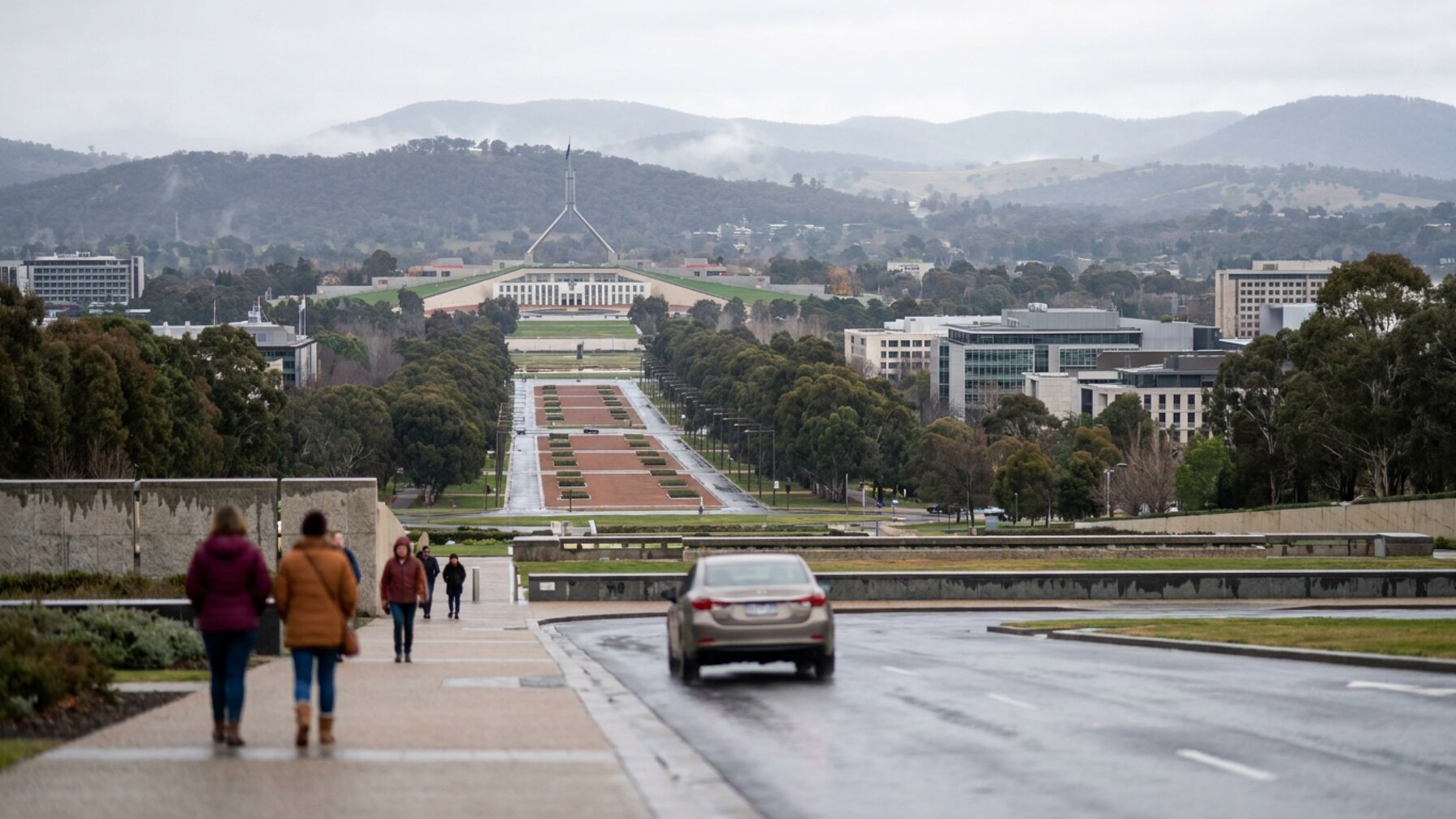
The issue is back on the agenda after recent media reports revealed the newly elected LNP government is reviewing current rehabilitation and environmental assessment requirements for resource projects. The government claims the changes are a bid to accelerate investment and resource jobs, but environmental groups warn that reducing oversight may leave communities footing the bill when mines close. The outcome has implications well beyond Queensland, with the federal government in Canberra and regulatory agencies on Benjamin Way watching closely.
What Canberra’s Mine Legacy Says
Canberra’s own history with contaminated sites underscores the stakes. The disused Lake George mine site east of the ACT boundary, inactive since the 1970s, remains a local cautionary tale. Responsibility for environmental remediation has ping-ponged between private companies and public agencies, eventually resulting in ACT government intervention and millions drawn from local revenue streams for partial cleanup. ACT Labor has previously cited the Lake George example when crafting local environmental bonding policies.
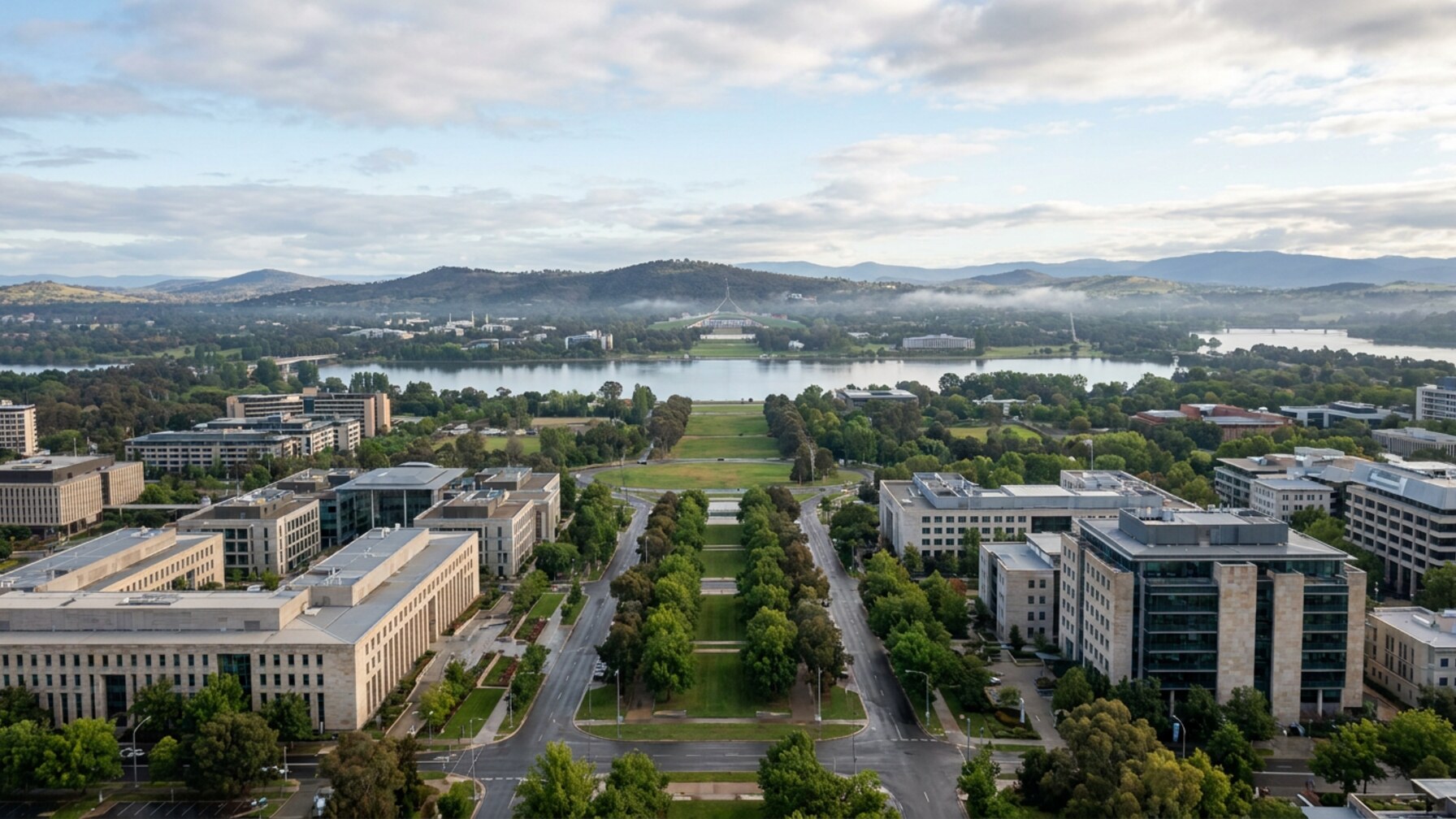
Locally, the Environment, Planning and Sustainable Development Directorate on London Circuit has required mining consents in the ACT region to include stringent upfront environmental bonds. These bonds are intended to cover the full anticipated cost of site remediation, protecting Tom Roberts Avenue neighbourhoods in Gungahlin and downstream water quality in Lake Burley Griffin from legacy pollution risks. Environmental groups such as the Conservation Council ACT Region have argued that even these measures can prove insufficient when costs spiral or if firms become insolvent.
Who Pays: The Numbers Behind Old Mines
According to figures from the Queensland Audit Office, there are more than 15,000 abandoned mine sites across the state. In 2025, Queensland government records put the estimated liability for current and historic mine rehabilitation at more than $10 billion. Reported mine rehabilitation bonds held by the state covered less than half that amount. This gap, and cases like the closed Mount Morgan mine, where public funds have been spent for decades on water treatment and earthworks, drives fears that relaxing regulatory controls could leave future bills in the hands of Queenslanders.
The review process is still in its early stages, but resource sector analysts in Turner have drawn parallels with national debates over who should pay for decommissioning oil and gas platforms in Commonwealth waters. In 2022, the federal Offshore Petroleum and Greenhouse Gas Storage Amendment Bill introduced new rules making former operators liable for cleanups. Canberra’s legislative approach has increasingly involved both public consultations and upfront financial assurance requirements for major projects.
The Queensland government’s ‘red tape’ review is expected to deliver interim results by October 2026, with potential policy changes flagged for the following parliamentary session. Advocacy groups recommend residents watch for public consultation announcements, particularly those living near historic or active mine sites. For Canberrans engaged in national public service policy work on energy, environmental law, or resource management, the outcome may shape future federal and state frameworks for managing the long tail of Australia’s mining footprint.
Sources Include (But not Limited to)
Source material used in preparing this article is listed below so readers can check the original record.