News
Canberra's Approach to Duplicate Image Replacement: A Global Comparison
The nation's capital is taking a unique stance on duplicate image replacement, but how does it stack up against similar cities worldwide?
3 min read
Updated 3 h ago
News
The nation's capital is taking a unique stance on duplicate image replacement, but how does it stack up against similar cities worldwide?
3 min read
Updated 3 h ago
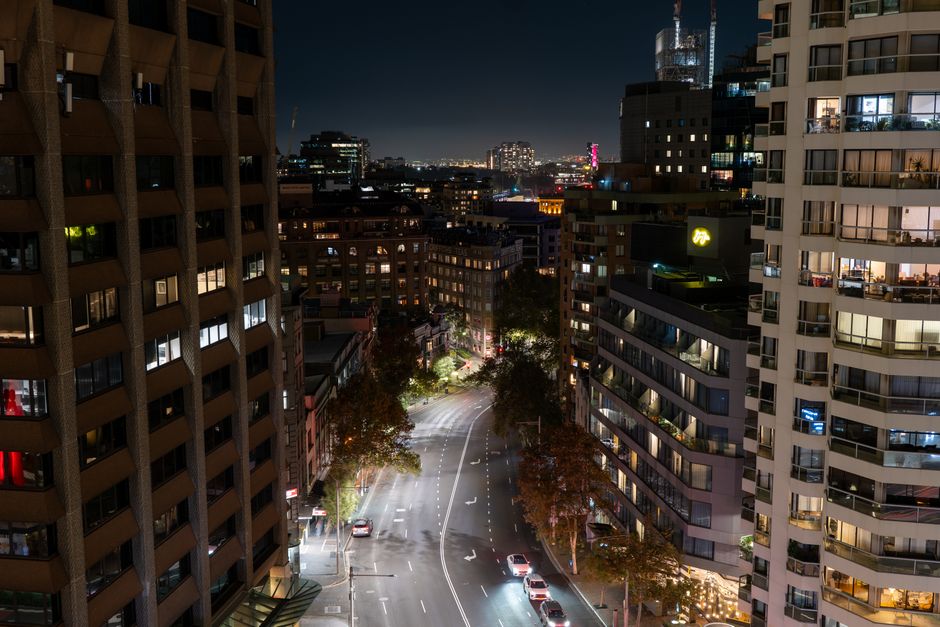
Canberra is implementing a city-wide initiative to replace duplicate images in public spaces, starting with the Gungahlin Town Centre and Belconnen Mall. This move aims to enhance the aesthetic appeal of these areas and promote a more vibrant cultural scene.
The issue of duplicate image replacement has become increasingly relevant in recent years, particularly in cities with a high concentration of public art and cultural institutions. With the rise of social media, the proliferation of identical images in public spaces has become a pressing concern, as it can detract from the unique character of a city and make it feel less authentic. In Canberra, this issue is particularly significant due to the city's reputation as a cultural and artistic hub, with institutions like the National Gallery of Australia and the Australian National University's School of Art.
Locally, the initiative is being led by the ACT Government's City Renewal Authority, in partnership with the Canberra Business Chamber and the Tuggeranong Arts Centre. Specific locations targeted for duplicate image replacement include the pedestrian walkway on Bunda Street, the courtyard of the Canberra Centre, and the public art installations along the Lake Burley Griffin foreshore. The project is also receiving support from local businesses, such as the cafes and restaurants on Lonsdale Street in Braddon, which are eager to see the area revitalized and made more attractive to visitors.
According to data from the ACT Government, the city has seen a significant increase in the number of duplicate images in public spaces over the past five years, with a total of 250 identical images identified in 2022 alone. The cost of replacing these images is estimated to be around $1.2 million, which will be funded through a combination of government grants and private sponsorships. The initiative is expected to be completed by the end of 2027, with a projected increase in tourism revenue of 15% per annum. As of June 2026, the project has already seen the replacement of 50 duplicate images, with a further 100 scheduled for removal by the end of the year.
In terms of what happens next, the ACT Government has announced plans to establish a permanent public art program, which will ensure that the city's public spaces continue to feature unique and innovative artworks. Residents and visitors can also expect to see a range of community engagement initiatives, including public workshops and consultations, to help shape the future of Canberra's public art scene. For those interested in getting involved, the Tuggeranong Arts Centre is offering a series of free workshops on public art and cultural programming, starting from August 2026. By taking a proactive and data-driven approach to duplicate image replacement, Canberra is setting a positive example for other cities to follow, and cementing its reputation as a vibrant and culturally rich capital city.
News
News
News
News
About this article
Published by The Daily Canberra
Spread the word
Daily brief
Free, in your inbox before 7am. Weekdays.
The Daily Network — local news across Australia