Canberra stands at a defining moment for environmental planning. While the ACT government has committed to net-zero emissions by 2045—one of Australia's most ambitious targets—the pathway forward remains contested, with key decisions looming that will reshape how our city grows and consumes energy.
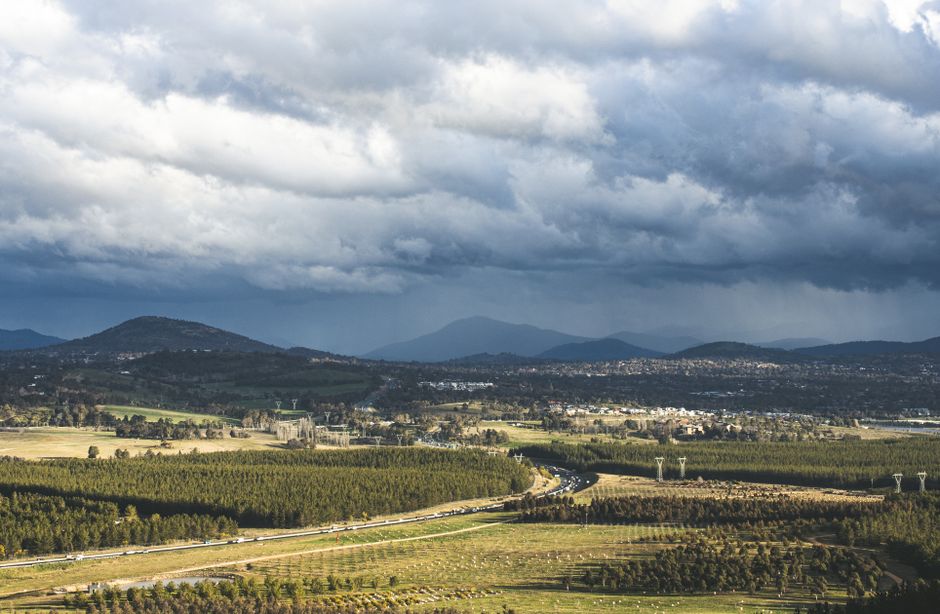
The stakes are particularly high in Gungahlin and Belconnen, where rapid residential expansion continues despite warnings from sustainability advocates about urban sprawl's carbon footprint. The ANU's Institute for Climate, Energy and Disaster Solutions has modelled that sprawling suburban development patterns could undermine emissions reduction targets by up to 18 percent, yet housing demand from the expanding public service workforce shows no signs of slowing.
Three critical junctures demand urgent attention. First, light rail expansion remains unresolved beyond Stage 2A to Woden. Extending the network southward and westward could reduce private vehicle dependence significantly, but funding and political will remain uncertain. Transport accounts for roughly 21 percent of ACT emissions—higher than the national average—making this decision fundamental.
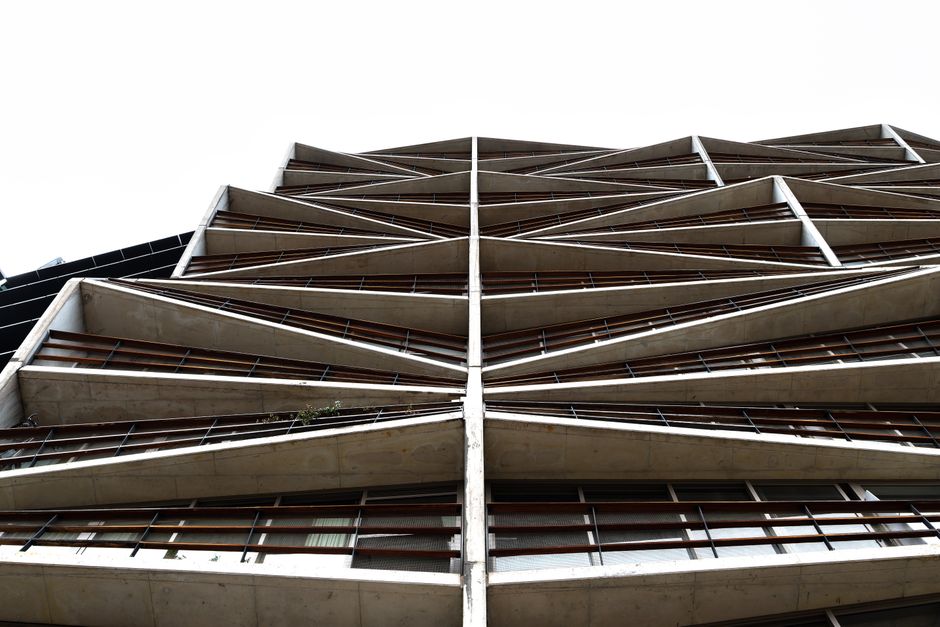
Second, the renewal of Canberra's aging building stock presents both challenge and opportunity. Many homes and commercial properties across established suburbs like Forrest, Deakin, and Yarralumla consume energy inefficiently. The government's retrofitting program targets 100,000 dwellings, but current rates suggest the deadline of 2045 may slip without accelerated investment and mandates for private landlords.
Third, renewable energy transition faces a critical inflection point. The ACT's reliance on contracted wind and solar now delivers 100 percent renewable electricity, but reliability questions persist during peak demand periods. The decision to invest in large-scale battery storage—potentially at Molonglo or near Tuggeranong—will determine whether renewable generation can genuinely replace gas-fired backup capacity.
Beyond infrastructure, cultural shifts matter. Public service agencies based throughout Canberra's corridors increasingly offer hybrid work arrangements, yet commuting patterns remain entrenched. The government must decide whether to actively incentivise work-from-home culture to reduce transport emissions, or maintain expectations of office-based presence.
Community attitudes are shifting too. The Canberra Community Council and environmental groups like ACT Greenpeace have called for stronger planning controls on greenfield development, though suburban expansion remains popular among residents seeking affordable housing in an increasingly tight market.
The next 18 months will prove crucial. Budget cycles, planning reviews, and upcoming transport infrastructure decisions will crystallise whether Canberra's 2045 pledge is genuine commitment or aspirational rhetoric. The city that prides itself as Australia's forward-thinking capital must now demonstrate whether environmental ambition can coexist with continued growth.
This article was compiled by AI and screened before publishing. See our editorial standards.