News
Multicultural Canberrans Share Stories as Migration Policy Tightens
Community members across Gungahlin and Belconnen reflect on belonging, opportunity and uncertainty as federal migration settings tighten.
2 min read
Updated 1 h ago
News
Community members across Gungahlin and Belconnen reflect on belonging, opportunity and uncertainty as federal migration settings tighten.
2 min read
Updated 1 h ago
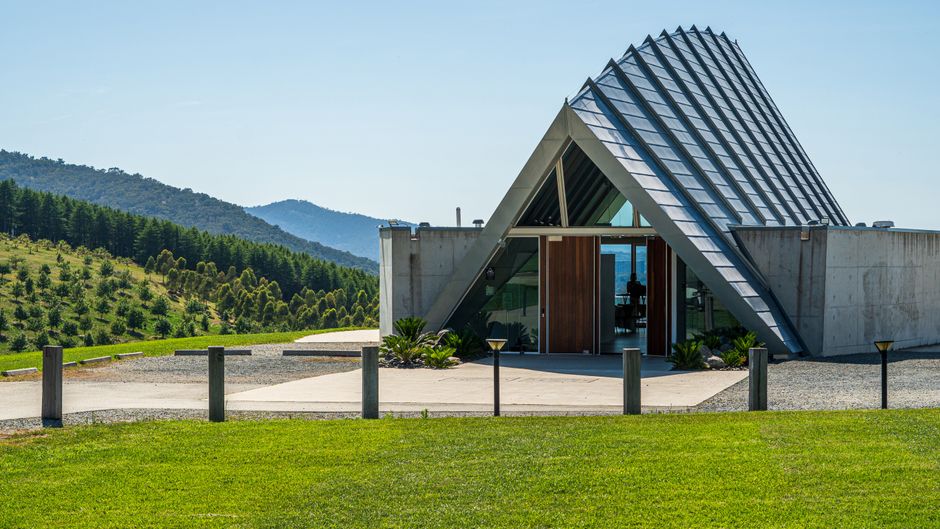
On a Thursday evening at the Multicultural Centre in Woden, a dozen residents gathered to discuss what migration policy changes mean for their families and futures. The atmosphere was candid: hopeful, but laced with concern.
For many in Canberra's fastest-growing suburbs, migration isn't abstract policy—it's personal. Gungahlin and Belconnen have become home to tens of thousands of migrants and their families over the past decade, drawn by federal employment prospects, relative affordability, and established communities. Yet recent shifts in visa availability and skilled migration settings have created uncertainty about who can join loved ones already here.
"My brother's visa application is now on hold indefinitely," one Gungahlin resident said, requesting anonymity. "We planned for him to help with our parents' care. Now we don't know." This echoes concerns raised across settlement services in the ACT, where demand for counselling and migration advice has increased 40 percent since early 2026.
The strain is visible in Canberra's housing market too. For public servants—many themselves migrants or children of migrants—median rent in inner suburbs now exceeds $2,100 monthly for a two-bedroom apartment. Competition for affordable housing in established migrant communities like those around Dickson and Lyneham has intensified, creating pressure on support networks.
Yet voices also emphasise resilience. At the Settlement Services International office on Northbourne Avenue, coordinators describe growing engagement from established residents mentoring newcomers, and community-led initiatives addressing employment barriers. "We're adapting," one advocate explained. "But we need government to see us as contributors, not just beneficiaries."
The tension is generational too. Second-generation Canberrans, many now entering the public service themselves, speak of dual identity—gratitude for their parents' sacrifice, but frustration at tightening borders. "My parents came here because Australia believed in opportunity," one ANU graduate noted. "That story feels less true now."
Local organisations including the ACT Multicultural Community Forum and Canberra Refugee Services are intensifying advocacy, calling for migration pathways that reflect the city's demographic reality and economic needs. They argue that Canberra's growth, particularly in outer suburbs, depends on continued skilled migration and family reunification.
As federal parliament debates migration settings, voices from Canberra's neighbourhoods remind policymakers that statistics have names, faces, and aspirations. For many here, the question isn't whether to migrate—it's whether Australia still sees them as welcome.
This article was compiled by AI and screened before publishing. See our editorial standards.

News
News

News
News
About this article
Published by The Daily Canberra
Spread the word
Daily brief
Free, in your inbox before 7am. Weekdays.
The Daily Network — local news across Australia