News
Canberra Light Rail Stage 2: Gungahlin's Uncertain Future
Gungahlin residents frustrated by light rail stage 2 delays. Latest updates on the 12km extension from Braddon, budget concerns, and what commuters expect.
2 min read
News
Gungahlin residents frustrated by light rail stage 2 delays. Latest updates on the 12km extension from Braddon, budget concerns, and what commuters expect.
2 min read
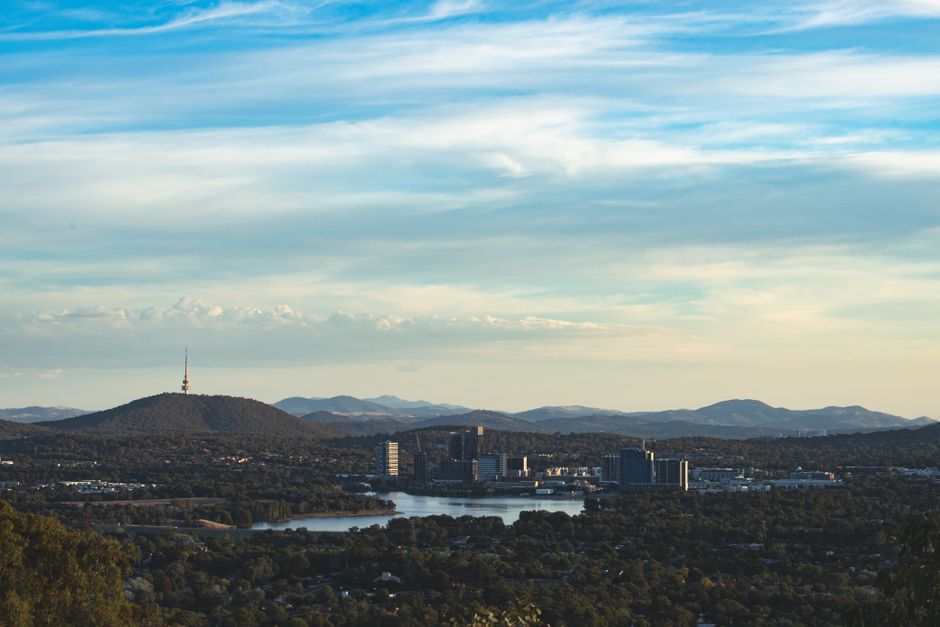
Frustration is mounting in Gungahlin as residents and traders grapple with ongoing uncertainty over Light Rail Stage 2, with community voices increasingly vocal about what they see as stalled progress on a project promised to transform commuting in the northern suburbs.
The proposed 12-kilometre extension from Braddon to Gungahlin Centre would serve one of Canberra's fastest-growing regions, yet persistent budget constraints and competing infrastructure priorities have left the project in limbo since Stage 1's completion in 2023. For locals, the delay feels increasingly personal.
"We were told this would ease congestion along Gungahlin Drive and reduce our reliance on cars," says one long-time Mitchell resident who commutes daily to the city centre. "Meanwhile, traffic just keeps getting worse. It feels like we're being left behind while the government focuses elsewhere."
The sentiment reflects broader community anxiety about Canberra's transport infrastructure trajectory. Public service employees—who comprise nearly 40 per cent of the ACT workforce—increasingly face lengthy commutes from affordable housing in outer suburbs like Gungahlin, Harrison and Franklin. Stage 2 was marketed as addressing this exact problem.
Business operators along Gungahlin Centre's retail precinct express similar concerns. "Customers tell us they'd use public transport if it was viable," one shopkeeper noted. "Without light rail, they're driving or shifting their patronage to Mitchell or Belconnen shopping centres where parking is easier."
The ACT government's broader infrastructure pipeline—which includes $1.6 billion in committed projects across roads, schools and hospitals—has created difficult resource allocation questions. Light Rail Stage 2 would cost approximately $2 billion, a significant commitment in the current fiscal environment.
Some residents have organised through community groups to advocate for renewed momentum. Their messaging emphasises not just convenience, but climate and equity considerations: a functioning light rail network reduces emissions while providing transport options for residents priced out of inner-city suburbs where median house prices exceed $850,000.
The ACT Labor government remains publicly committed to Stage 2 "in the next decade," though no formal timeline exists. Transport Canberra officials maintain that current bus rapid transit improvements on Gungahlin Drive represent interim solutions, though commuters largely dismiss these as inadequate.
What's clear is that grassroots frustration is intensifying. For northern suburbs residents, the light rail conversation has shifted from "if" to "when"—and they're increasingly demanding concrete answers rather than vague future commitments.
This article was compiled by AI and screened before publishing. See our editorial standards.
News
News
News
News
About this article
Published by The Daily Canberra
Spread the word
Daily brief
Free, in your inbox before 7am. Weekdays.
The Daily Network — local news across Australia