News
Migration Surge Reshapes Canberra as Leaders Address Housing Pressures
As international migration accelerates, Canberra's leaders outline plans to support growing communities while managing housing pressures and service demands.
3 min read
News
As international migration accelerates, Canberra's leaders outline plans to support growing communities while managing housing pressures and service demands.
3 min read
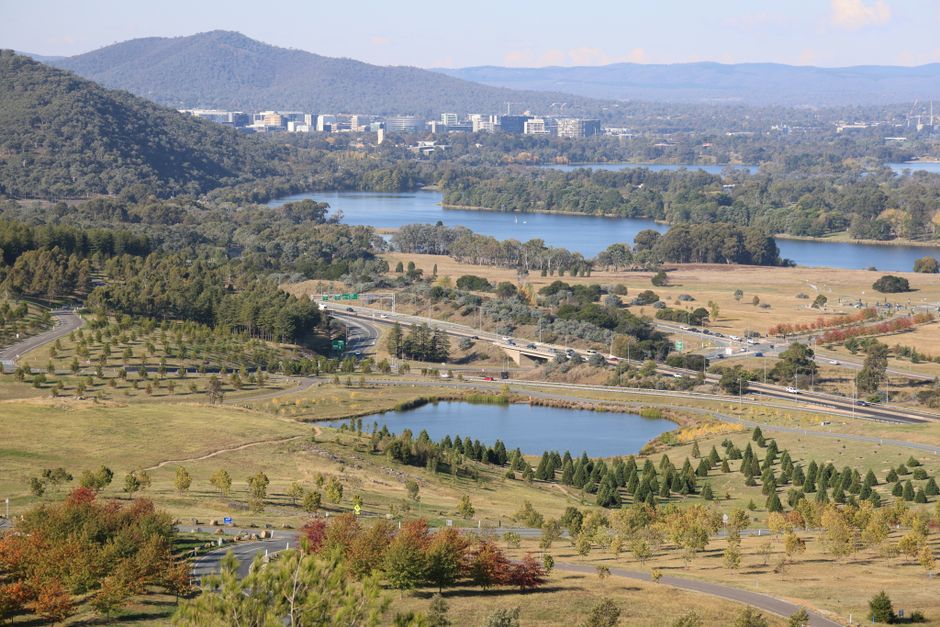
Canberra's migration landscape is shifting dramatically, with officials and migration experts warning the city must prepare infrastructure and services to match rapid population growth driven by skilled international workers and their families.
The ACT government's migration taskforce convened last month at the Ian Potter Centre in Forrest to address what community leaders describe as unprecedented demand for housing and settlement services. According to the ACT Chief Minister's office, net overseas migration contributed approximately 8,500 residents to Canberra's population in 2025—a 40 per cent increase on five-year averages.
"Our multicultural communities are the backbone of our public service and economy," a spokesperson for the ACT government said in recent briefings, pointing to initiatives supporting migrants in Gungahlin and Belconnen growth suburbs where affordable housing stock remains constrained. Median rent for a three-bedroom property across these corridors has reached $2,480 monthly, squeezing newly arrived families.
Dr Sarah Chen, director of migration policy at the Australian National University's Asia-Pacific College of Diplomacy, told media outlets that Canberra faces a "critical window" to embed migrants into communities before integration challenges mount. "Cities like Canberra with concentrated public service populations have different settlement needs than Sydney or Melbourne," she noted, highlighting the importance of workplace sponsorship schemes and professional credential recognition.
The Multicultural Communities Forum, headquartered in Civic, has escalated calls for dedicated English language services and childcare support. Their latest report identified 23 languages spoken across ACT schools, with mandarin, Hindi, and Tagalog fastest-growing. Representatives emphasised that migrant families often lack access to affordable early childhood education—a gap compounded by Canberra's limited supply.
Settlement Services International and other NGOs operating from Woden Valley have flagged critical staffing shortages. They manage caseloads across Tuggeranong, Belconnen, and northside suburbs where new residents cluster near employment corridors and existing cultural communities.
The ACT Commissioner for Sustainability and the Environment recently raised concerns about housing supply constraints limiting Canberra's capacity to absorb migrants sustainably. Light rail stage 2 completion—promised by 2028—is being positioned as crucial infrastructure supporting higher-density development near Gungahlin.
A federal Department of Home Affairs representative acknowledged Canberra's "unique role" in attracting skilled migrants to the civil service, but stopped short of confirming additional settlement funding. Public service leaders, however, are increasingly vocal about the need for employer-led initiatives to ease housing access and workplace integration for skilled visa holders and their dependents.
This article was compiled by AI and screened before publishing. See our editorial standards.

News

News

News
News
About this article
Published by The Daily Canberra
Spread the word
Daily brief
Free, in your inbox before 7am. Weekdays.
The Daily Network — local news across Australia