News
Canberra Urban Sprawl: Sustainability Crisis Explained
Canberra's population growth to 460,000 has created car-dependent suburbs across Gungahlin and Belconnen. How is the ACT addressing sprawl and environmental impact?
2 min read
News
Canberra's population growth to 460,000 has created car-dependent suburbs across Gungahlin and Belconnen. How is the ACT addressing sprawl and environmental impact?
2 min read
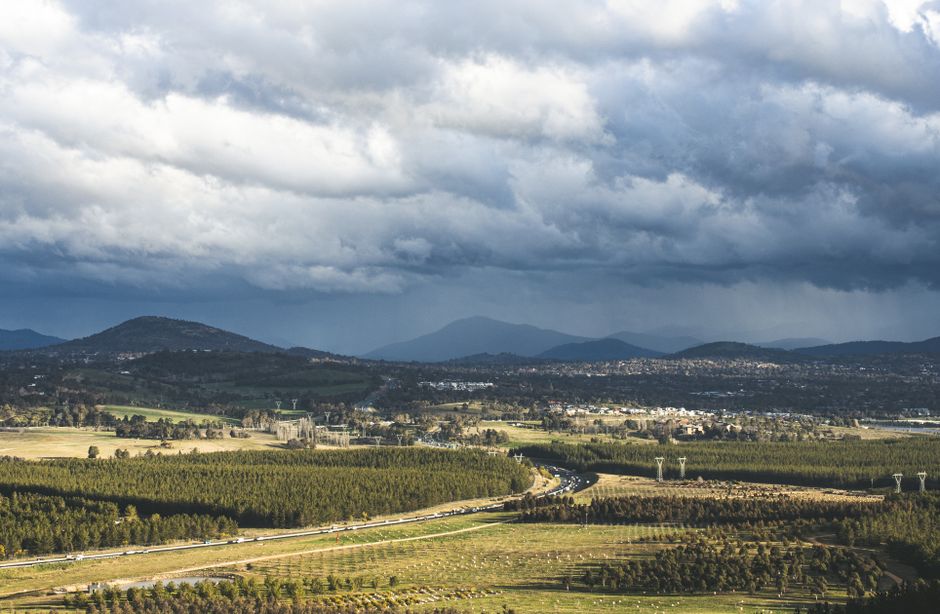
When Griffin's masterplan took shape a century ago, Canberra was conceived as a garden city—tree-lined avenues, low-density housing, and abundant green space. But the reality of the past three decades tells a different story. The sprawling suburbs of Gungahlin and Belconnen, while accommodating the capital's booming population, came with a carbon cost that planners are only now beginning to quantify.
The ACT's population has grown from approximately 300,000 in 2000 to over 460,000 today, with no signs of slowing. Each new estate in the Gungahlin region—places like Harrison, Crace, and Moncrieff—follows the same pattern: car-dependent subdivisions, often 15-20 kilometres from the city centre. Commuting from these newer suburbs has become a fact of life for public servants working in civic, generating thousands of vehicle journeys daily along the Barton Highway and Federal Highway.
This expansion coincided with a critical oversight: the deferral of light rail stage 2 planning. A single light rail line to Gungahlin opened in 2020, yet the promised second stage connecting Belconnen through the city to Woden has remained perpetually under review. Without integrated public transport, car ownership became not a luxury but a necessity. The average Canberra household now owns 1.8 vehicles, among Australia's highest ratios.
Meanwhile, housing affordability pressures—with median house prices exceeding $800,000—pushed younger public service workers further into greenfield suburbs, extending commute times and environmental impact. The ACT's greenhouse gas emissions remain stubbornly above target, with transport accounting for approximately 35 per cent of the territory's total emissions.
Environmental organisations and research institutions, particularly ANU's climate and sustainability programs, have spent years documenting this trajectory. Their reports consistently highlighted the same conclusion: Canberra's growth model was unsustainable without fundamental transport infrastructure changes.
That recognition has finally crystallised into action. The ACT government's revised sustainability strategy, released earlier this year, acknowledges this long arc of development choices. It commits to accelerating light rail planning, expanding bus rapid transit, and integrating transport with housing policy in growth suburbs.
For residents of Canberra, it represents a belated but necessary pivot. The garden city vision of the original design is being revisited not as nostalgia, but as practical necessity—a reminder that the choices made decades ago about how we build and move through this city carry consequences that echo today.
This article was compiled by AI and screened before publishing. See our editorial standards.

News
News
News
News
About this article
Published by The Daily Canberra
Spread the word
Daily brief
Free, in your inbox before 7am. Weekdays.
The Daily Network — local news across Australia