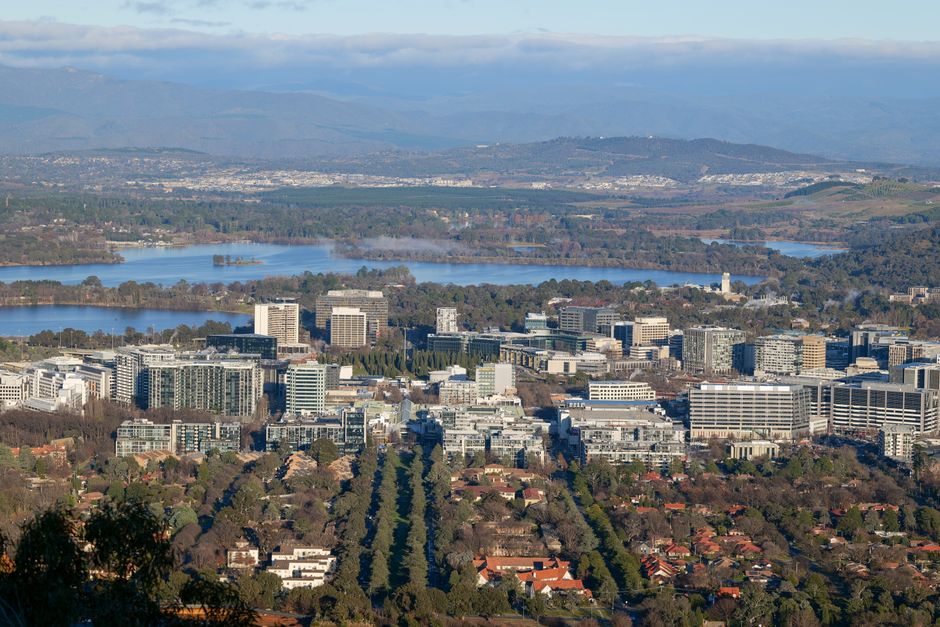
Canberra is quietly becoming a test case for how mid-sized capital cities can integrate rapid migration growth—and early indicators suggest it may be doing better than some global counterparts, though challenges remain.
New settlement data shows the ACT's migrant population has grown to 28 per cent of residents, a jump from 22 per cent five years ago. Much of this influx has been driven by federal government workforce expansion, particularly in defence, Treasury and climate-focused agencies relocating to the capital under the government's decentralisation agenda.
Unlike sprawling cities such as Toronto or Melbourne, where migrant communities often cluster in specific suburbs with limited interaction across neighbourhoods, Canberra's planned urban design appears to be creating more distributed settlement patterns. Gungahlin and Belconnen, the capital's growth corridors, are attracting diverse populations to new housing developments, while areas around Bruce and Dickson host established migrant networks through established community organisations.
"The infrastructure-first approach helps," says Dr Sarah Chen, a migration researcher at ANU's Asia-Pacific College of Diplomacy. "Planned suburbs with schools, transport and services built in reduce the 'ghetto effect' we see elsewhere." However, she notes that Canberra's expensive housing market—median rent for a three-bedroom home in Gungahlin now sits at $2,150 monthly—presents barriers even for skilled migrants on public service salaries.
The city's multicultural institutions are also punching above their weight. The Multicultural Communities Council ACT operates from Woden, coordinating settlement services across 40-plus community groups. The Canberra Migrant Centre on Northbourne Avenue provides English language and employment support, while cultural organisations line Lonsdale Street in Braddon, creating informal hubs unlike the isolated services in some other Australian cities.
Singapore's model of state-directed integration differs markedly—it mandates housing quotas ensuring diversity—while Toronto relies heavily on private settlement agencies. Canberra sits between these approaches: government support through ACT Labor policies on settlement funding, combined with grassroots community initiatives.
Still, gaps persist. Job recognition for international qualifications remains sluggish outside federal sectors, and settlement services struggle with funding constraints. Schools in high-growth areas report need for more multilingual support staff.
As Canberra's population edges toward 500,000, the coming years will test whether its integration model scales successfully. Early signs suggest the city's deliberate planning offers advantages other capitals lack—but only if housing affordability and service capacity keep pace with growth.
This article was compiled by AI and screened before publishing. See our editorial standards.