News
Canberra Police Response Times: Gungahlin & Belconnen Crisis
Crime reports spike in Gungahlin and Belconnen as ACT police response times exceed 45 minutes. New FOI data reveals funding pressure shaping Canberra's emergency response.
3 min read
News
Crime reports spike in Gungahlin and Belconnen as ACT police response times exceed 45 minutes. New FOI data reveals funding pressure shaping Canberra's emergency response.
3 min read
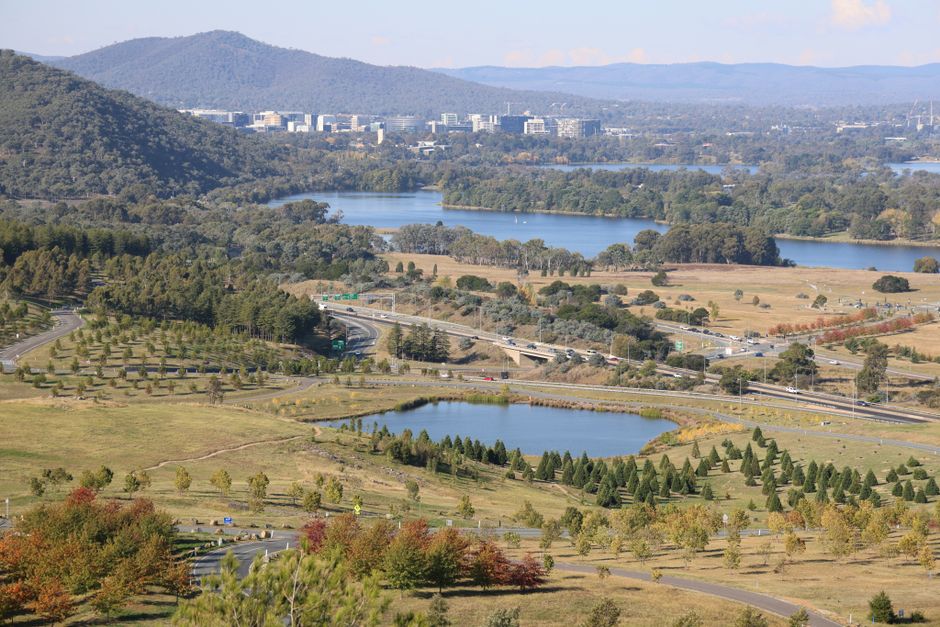
The ACT Policing command structure is facing unprecedented pressure to choose between three competing strategic directions, each carrying significant financial and operational consequences for the nation's capital.
Data released through Freedom of Information reveals response times to non-emergency calls in Canberra's fastest-growing suburbs have stretched beyond 45 minutes in some cases. In Gungahlin—where population has surged 34 percent since 2020—and across Belconnen's expanding residential corridors, the pressure is acute. Local neighbourhood watch groups meeting at venues like the Gungahlin Community Centre report growing concern about evening safety, particularly around shopping precincts on Nicholls Street and the Belconnen Town Centre.
The three options now under active consideration represent fundamentally different visions. First: a $28 million boost to recruit and train 80 additional officers over the next four years—targeting faster response times but requiring sustained budget commitments. Second: a technology-first approach, investing in AI-enabled dispatch systems and increased CCTV coverage across high-crime corridors, potentially costing $12 million upfront but requiring fewer personnel. Third: a hybrid community-policing model emphasising prevention through neighbourhood foot patrols and partnerships with local councils and ANU researchers, with moderate cost but unproven effectiveness in Canberra's context.
The ACT government's decision matters because public service workers—who comprise a quarter of Canberra's workforce—are simultaneously grappling with housing affordability pressures and safety concerns in their neighbourhoods. Many are considering relocation to Queensland or New South Wales, a silent exodus that could destabilise the public sector workforce and local economy.
Emergency Services Minister briefings indicate a decision framework will crystallise by mid-August, with cabinet approval targeted for September. The police commissioner's preferred model remains unclear publicly, though recent operational statements suggest openness to blended approaches.
Critical questions hang unanswered. Can Canberra recruit and retain 80 new officers when Sydney and Melbourne are competing for the same talent pool? Will community policing succeed in estates where residents feel disconnected from institutional structures? And will technology investments age poorly given rapid advancement cycles?
The stakes extend beyond crime statistics. Confidence in emergency services shapes whether young families feel secure in Gungahlin's growing schools, whether businesses invest in retail precincts, and whether Canberra's public service core remains stable. The choices made in the coming eight weeks will reverberate through the territory for a decade.
The window for decision is narrowing. By spring, budget parameters lock. The question isn't whether change comes—it's which direction takes priority.
This article was compiled by AI and screened before publishing. See our editorial standards.

News

News

News

News
About this article
Published by The Daily Canberra
Spread the word
Daily brief
Free, in your inbox before 7am. Weekdays.
The Daily Network — local news across Australia