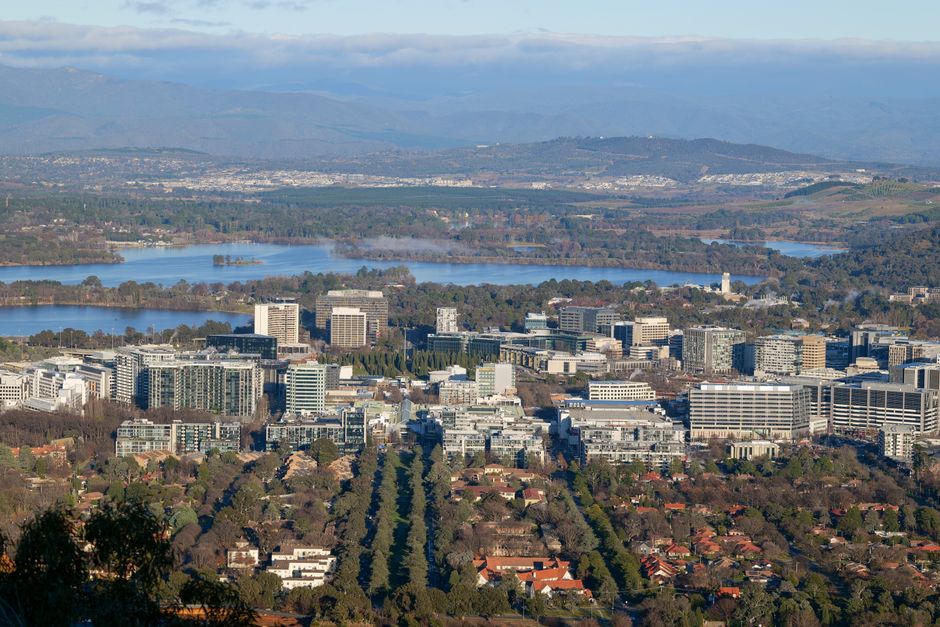
The next six months will shape the future of some of Canberra's most established neighbourhoods. Inner South suburbs—stretching from the tree-lined avenues of Forrest through Barton, Kingston, and Narrabundah—are preparing for the rollout of revised development guidelines that will determine whether their leafy character persists or transforms under intensified housing density.
The ACT Government's latest spatial planning review, due for community consultation by August, will propose significant changes to minimum block sizes and setback requirements across the region. Current zoning allows for blocks as small as 800 square metres in low-density residential areas; revised frameworks under consideration would lower this threshold to 600 square metres in strategic locations, potentially unlocking thousands of additional dwelling opportunities across Inner South.
For residents on streets like Mugga Lane in Red Hill or the heritage-listed properties around Forrest's Alexandrine Street, the implications are profound. The Kingston and Barton Community Association has already flagged concerns about infrastructure capacity—local schools, parks, and the single-lane approaches to suburbs like Narrabundah could face strain if dwelling numbers surge without corresponding investment.
"What we're watching closely is whether the Territory responds to housing demand by respecting neighbourhood character or by defaulting to developer-friendly density," a spokesperson for the Inner South Community Council indicated. Key decisions will hinge on planning amendments anticipated in September.
Real estate pressure is mounting. Median prices in Forrest topped $1.24 million in the past financial year, with Kingston tracking similarly. Developers have already lodged preliminary enquiries for multi-unit developments on larger corner sites, but approvals hinge on the revised codes.
Several decision points loom. The ACT Planning and Land Authority will need to clarify heritage protections—Canberra's heritage register includes over 350 properties in Inner South alone. Equally critical: will new density come with mandatory contributions to local infrastructure? Parking provisions remain contentious; inner suburbs rely heavily on street parking, and high-density development without adequate on-site provision could exacerbate existing bottlenecks along Canberra Avenue and Giles Street.
Community forums at venues including the Kingston Community Hall are scheduled for July, offering residents their first formal opportunity to submit feedback. The consultation period will close in October, with final planning amendments expected by December.
For Canberra's inner neighbourhoods, the next 180 days represent a pivotal moment: decisions made now will determine whether Inner South remains predominantly a low-density precinct or becomes a test case for medium-density suburban infill.
This article was compiled by AI from the sources linked above and screened before publishing. See our editorial standards.