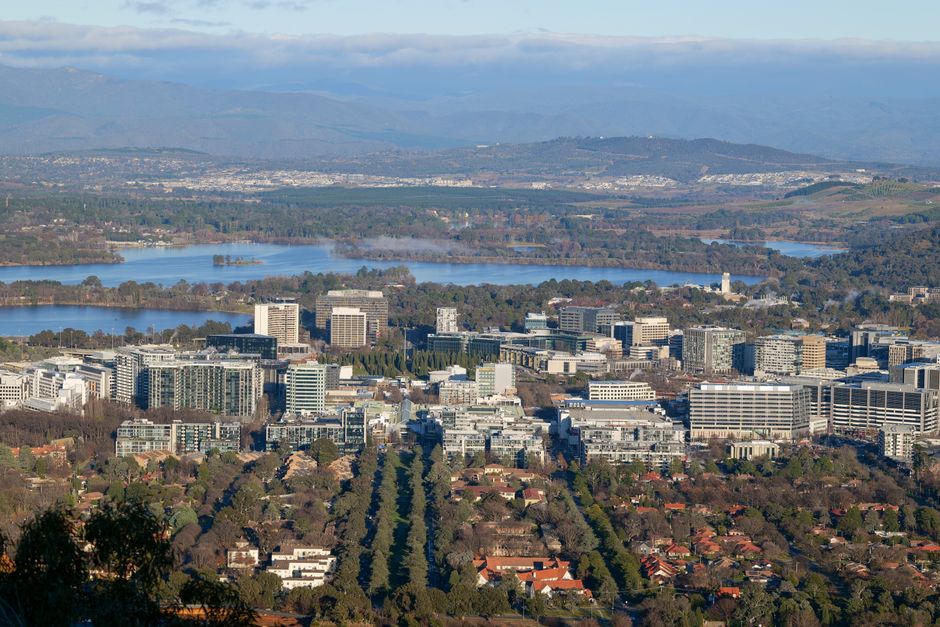
Canberra's education landscape is experiencing a peculiar moment of relative stability even as peer cities from Melbourne to Montreal face mounting pressures. With two major universities, a thriving vocational sector, and consistently strong Year 12 completion rates hovering around 87 percent, Australia's capital has managed to weather global trends that have decimated enrolments elsewhere.
The University of Canberra, anchored in Bruce, and the Australian National University on Acton Peninsula together employ more than 8,500 staff and generate significant economic activity across the inner north and south. Yet this apparent resilience masks deeper anxieties. Unlike Toronto or Singapore—cities of comparable size that have diversified their education offerings aggressively—Canberra remains heavily dependent on government funding mechanisms that are themselves under scrutiny.
"We're not in crisis mode like some cities," says one local education sector analyst, "but we're also not investing in the infrastructure that will keep us competitive in ten years." Campus upgrades across both universities have been modest compared to the multibillion-dollar expansions happening in Sydney, while international student recruitment—a critical revenue stream for peer institutions—remains below pre-pandemic levels.
Secondary schools in established suburbs like Forrest and Deakin continue to attract families, with selective schools such as Canberra Grammar maintaining strong reputations. Yet schools in outer suburbs—Gungahlin, Molonglo Valley—report resource disparities that frustrate principals and teachers alike. The ACT government's recent commitment to rebuild Narrabundah Secondary represents targeted action, but questions persist about whether investment is keeping pace with growth.
Where Canberra distinguishes itself globally is in vocational education. Canberra Institute of Technology's campuses across Fyshwick and Weston Creek have become models for trades training integration, with apprenticeship commencement rates exceeding national averages. Cities like Dublin and Stuttgart have noticed, with delegations visiting to understand how the territory bridges academic and practical pathways.
The challenge ahead is maintaining momentum without becoming complacent. Other comparable cities—Wellington, Brisbane, Zurich—are aggressively pursuing STEM specialisation and international partnerships. Canberra's universities are doing this, but perhaps not with sufficient urgency or visibility.
As education leaders gather this week for the ACT Education Summit in Barton, the conversation will inevitably turn to funding sustainability and strategic positioning. The capital's current equilibrium is enviable. Whether it proves durable depends on decisions made now.
This article was compiled by AI from the sources linked above and screened before publishing. See our editorial standards.