Canberra stands at a crossroads. With median house prices in established suburbs like Forrest and Red Hill now exceeding $1.2 million, and rental vacancy rates hovering near 1 per cent, the ACT government's proposed housing densification strategy has become impossible to ignore. Yet for thousands of local residents, the question remains: will new development actually solve the crisis, or simply reshape the city in ways that leave them behind?
The push to increase housing supply through infill development and medium-density zoning in Gungahlin and Belconnen is understandable. Population modelling suggests Canberra will need an additional 100,000 homes by 2050. But the details matter enormously for communities already feeling the squeeze.
In suburbs like Nicholls and Forde, where young families have traditionally been able to afford a modest three-bedroom home, proposed changes to planning rules could see more six-storey apartment blocks and townhouse clusters. Without careful transport planning and adequate school infrastructure, residents fear their neighbourhoods could become congested and expensive—defeating the purpose of densification entirely.
"We're not against growth," says the perspective of many Canberrans interviewed in recent community consultations. "But we need the roads, the buses, the childcare centres to keep pace." The Gungahlin Drive extension remains years away from completion, yet housing approvals continue at pace around Ngunnawal and Amaroo.
The financial reality is stark. A first-home buyer in 2026 faces a vastly different market than their counterpart a decade ago. While rents in the city centre have climbed 35 per cent since 2015, wages for young professionals haven't kept pace. More housing units alone won't help if they're priced for investors rather than families.
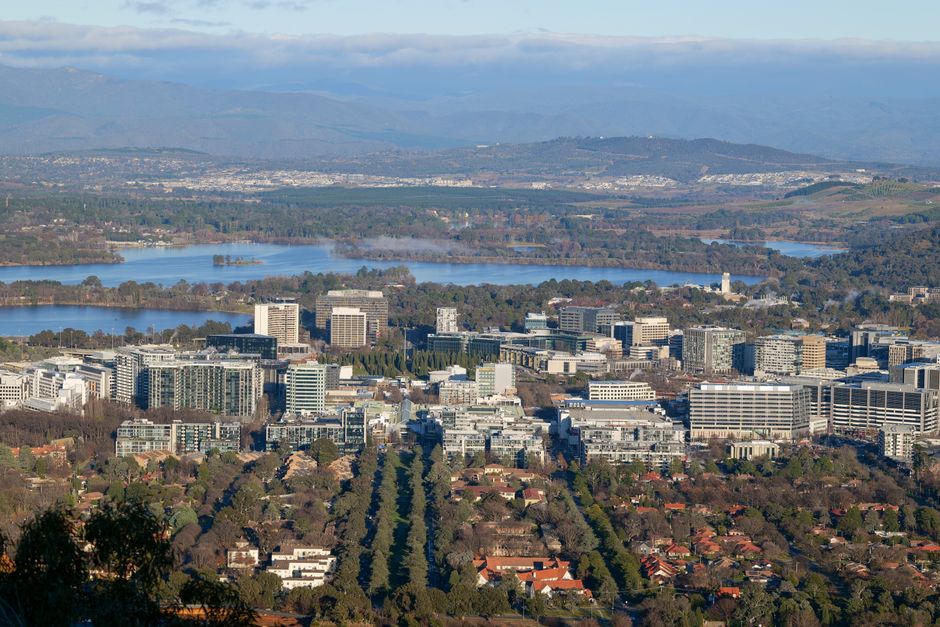
There's also the matter of what gets lost. Canberra's strength has historically been its green spaces, accessibility to nature, and genuine community character. Rapid densification without vision risks turning leafy suburbs into faceless sprawl—trading one problem for another.
The ACT Planning and Land Authority's next consultation phase, expected within weeks, will be crucial. Residents need genuine influence over outcomes, not tokenistic engagement. And developers must understand: profitable projects aren't necessarily good ones for the people who actually live here.
Canberra's housing crisis is real. But the solution must do more than add bedrooms—it must preserve what makes this city worth living in.
This article was compiled by AI from the sources linked above and screened before publishing. See our editorial standards.