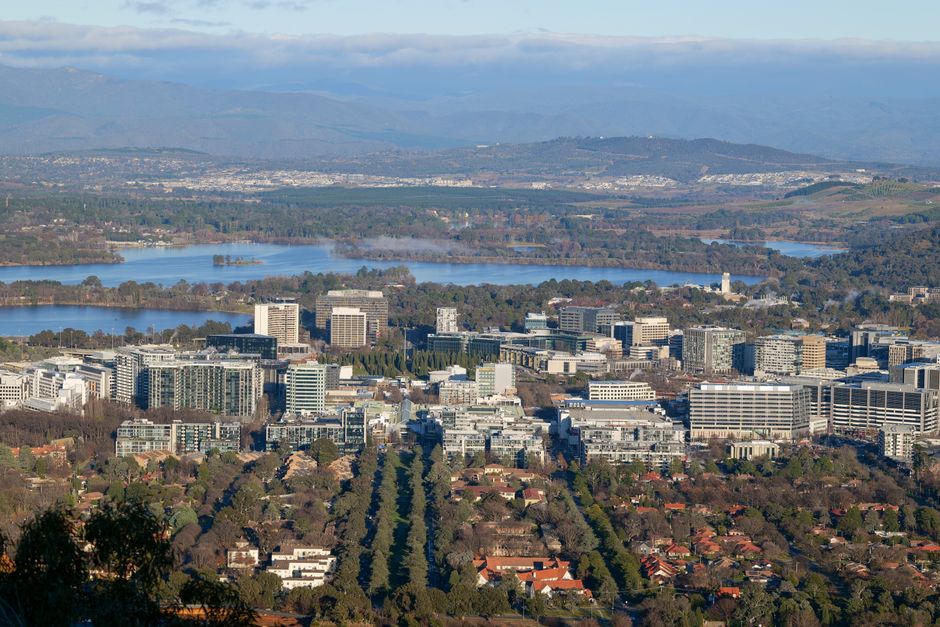
The construction cranes are already moving across central Canberra, but the real story of the territory's $13 billion transport gamble isn't about steel and concrete—it's about whether your morning commute becomes 20 minutes shorter, whether your local property value climbs, and whether the business strip on Northbourne Avenue finally gets the foot traffic revival it's been missing.
Stage 2A of the light rail project, now in advanced planning stages, will extend the existing network from the city centre to Woden Valley via Commonwealth Avenue, with future stages reaching as far as Tuggeranong. For the 30,000 residents currently living in Woden, many of whom spend 40 minutes or more driving to work daily, this isn't abstract policy—it's a practical lifeline.
Transport modelling released by the ACT government suggests the extension could reduce travel times by up to 35 per cent for commuters on key corridors. For a parent dropping kids at Woden Valley High School before heading to their Civic office job, that's roughly an hour of reclaimed time each week. The economics matter too: the ACT's transport department estimates that every dollar invested in public transport generates $3.50 in economic activity within five years.
But not everyone is celebrating. Local traders on Tharwa Drive and in Woden's shopping precinct worry about construction disruption through 2028-2029. The Canberra Business Chamber has called for better coordination between contractors and local retailers, pointing to a 15 per cent drop in foot traffic during the city light rail works last year.
Property markets are already reacting. Units within 800 metres of the proposed Woden station have seen average price growth of 2.3 per cent over the past six months, according to local real estate data, compared to the territory-wide average of 1.8 per cent. Inner suburbs along the light rail corridor—like Dickson and Lyneham—have experienced similar premiums.
The broader question facing Canberra's 460,000 residents is whether these transport investments address the structural challenge of a sprawling city where car dependency has defined urban development for decades. The ACT government argues this is the inflection point. Community groups like Transport Canberra Now, backed by hundreds of residents frustrated with gridlock, argue it doesn't go far enough fast enough.
Construction begins on Stage 2A in early 2027. Your suburb's future is being drawn right now.
This article was compiled by AI from the sources linked above and screened before publishing. See our editorial standards.