Canberra's commitment to environmental sustainability didn't emerge from idealism alone. It was forged in the crucible of crisis—a perfect storm of climate impacts that forced the city's hand.
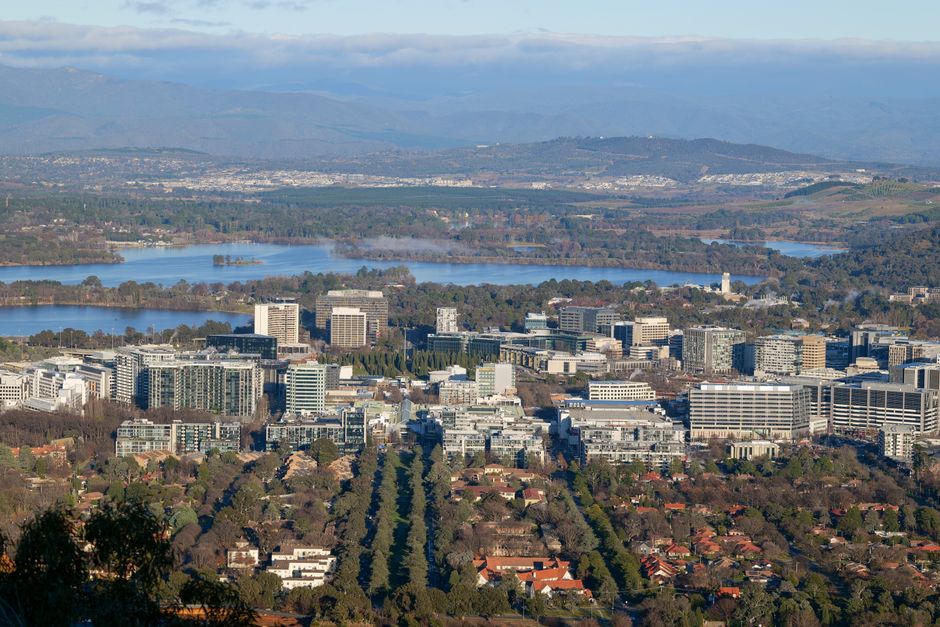
The turning point came in the mid-2010s, when the city faced its worst drought in recorded history. Residents watched Lake Burley Griffin's water levels plummet, and by 2018, restrictions on outdoor water use became the new normal across suburbs like Tuggeranong and Woden. The psychological impact was visceral: a city built around water found itself rationing it.
Those years exposed uncomfortable truths. Canberra's per capita carbon emissions ranked among Australia's highest, driven by heavy reliance on cars for commuting between sprawling suburbs and the city centre. Summer temperatures regularly exceeded 40 degrees Celsius, with the 2019-20 bushfire season bringing smoke that turned midday skies apocalyptic orange. School children wore masks walking home from Canberra High School and Lake Gungahlin College.
The business community couldn't ignore the signals. Data showed that property investors were increasingly cautious about the region's long-term viability. Tourism operators reported visitors cancelling trips during heat waves. The ACT Government, facing electoral pressure, began commissioning research through the University of Canberra and the Australian National University.
What emerged was sobering: without intervention, Canberra would face infrastructure strain, economic stagnation, and population decline. The 2020 Independent Review into ACT Climate Action became the catalyst. It recommended aggressive targets: net zero emissions by 2045, renewable energy dominance by 2030, and major investment in green infrastructure across established neighbourhoods.
Implementation began in earnest. The government committed $200 million to urban renewal programs targeting suburbs like Belconnen and Gungahlin, prioritising tree-lined streets and permeable surfaces to manage heat and stormwater. Public transport underwent transformation, with the light rail extension to Woden representing a symbolic shift away from car dependency.
Local businesses adapted too. Civic's retail precinct saw retailers installing solar panels and water-efficient systems. The Canberra Business Chamber began recognising sustainability leaders, creating market incentives for compliance.
The journey hasn't been painless. Rate increases to fund infrastructure improvements sparked debate. Some residents resisted restrictions on garden watering or car use. But the consensus shifted when residents understood the alternative: continued inaction promised far greater economic and social costs.
Today's environmental initiatives—from the ACT's renewable energy targets to community programs in local libraries—represent not utopian dreaming but pragmatic response to lived experience. Canberra's sustainability story is ultimately one of a city learning that crisis and opportunity are two sides of the same coin.
This article was compiled by AI from the sources linked above and screened before publishing. See our editorial standards.