News
How Canberra's Planning Wars Reached This Crossroads: A Decade of Competing Visions
From the Molonglo Valley masterplan to Kingston's heritage battles, the city's planning gridlock didn't emerge overnight.
2 min read
News
From the Molonglo Valley masterplan to Kingston's heritage battles, the city's planning gridlock didn't emerge overnight.
2 min read
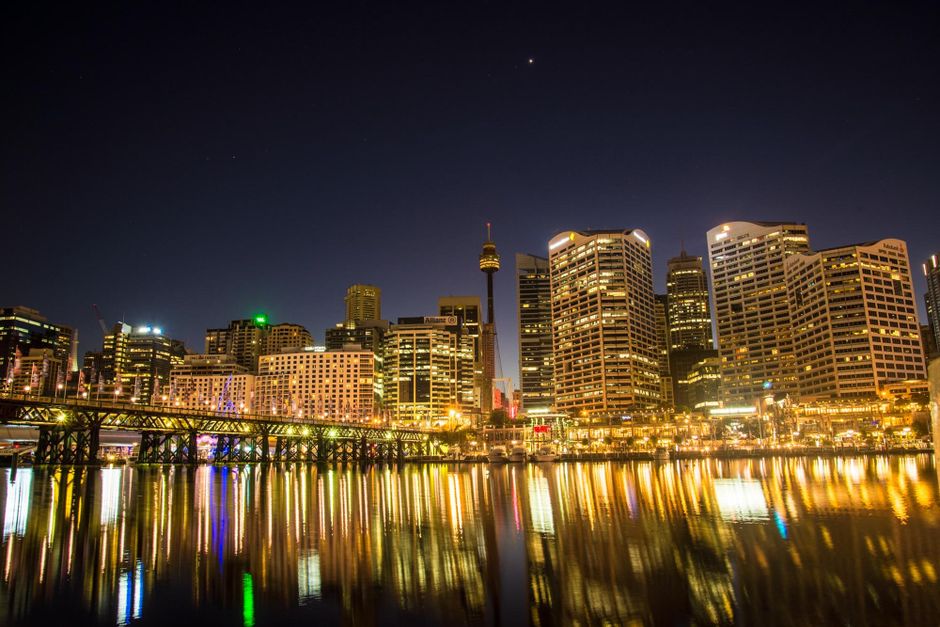
Canberra's current political impasse over urban development—now dominating ACT Legislative Assembly debates—has roots stretching back more than a decade, shaped by competing philosophies about how Australia's capital should grow.
The tension crystallised around the Molonglo Valley precinct, where the ACT government's vision of a sprawling mixed-use development clashed with community concerns about infrastructure capacity. When the first stage of residential construction began around 2015, it marked a pivotal moment: the city would no longer grow incrementally, but aggressively. Population projections that once seemed distant—600,000 residents by 2050—became concrete policy drivers.
Kingston and Manuka became flashpoints. Heritage-listed shopfronts along Giles Street faced redevelopment proposals that triggered vocal opposition from long-term residents and local business owners who saw their neighbourhood's character under threat. The Heritage places register expanded, then contracted, amid political pressure from different administrations with fundamentally different visions for inner-city renewal.
Meanwhile, infrastructure couldn't keep pace. Transport corridors like the Barton Highway faced congestion that early planning models hadn't adequately predicted. The light rail project—first proposed comprehensively in 2012—became the symbolic battleground where urban planning met fiscal reality, with each election cycle bringing fresh commitments and revised timelines.
Property prices amplified the conflict. A median house price that hovered around $610,000 in 2016 climbed to $850,000 by 2024, pricing out young families and reshaping demographic patterns. The ACT's rental vacancy rate fell to 1.2 per cent by mid-2025, sparking fierce debate about whether development approval processes needed loosening or tightening.
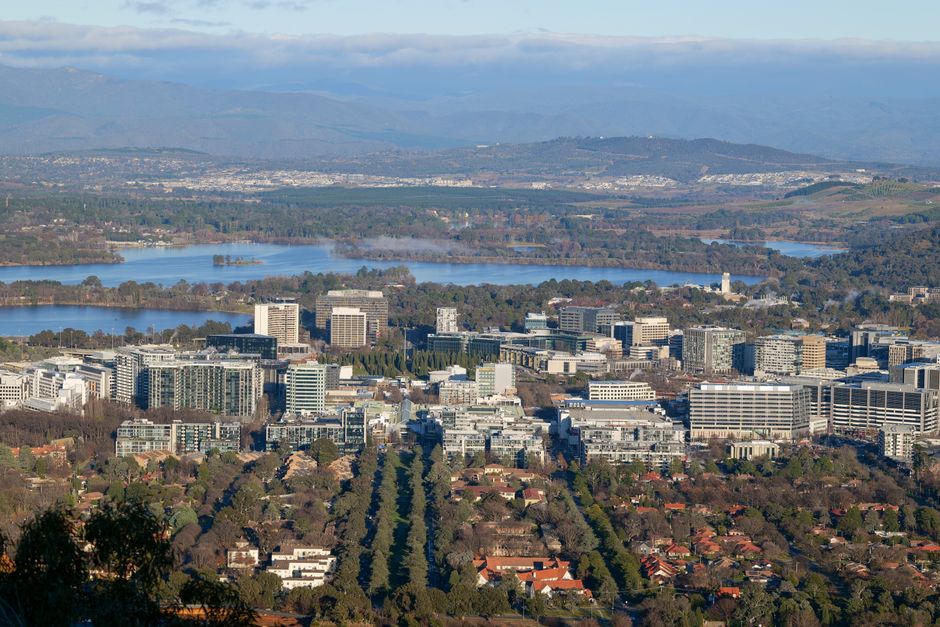
Civic area renewal proposals—including plans for the lakefront precinct—intensified divisions. Some councillors and community groups pushed for high-density, mixed-use development reminiscent of successful international models. Others argued Canberra's low-rise character, enshrined in Griffin's original vision, deserved protection.
The cumulative effect: today's planning deadlock isn't accidental. It reflects genuine philosophical differences about whether Canberra should become a denser, more vertically oriented city to accommodate growth, or preserve the spacious, suburban character many residents cherish. Developers and construction unions champion density; heritage advocates and suburban residents demand restraint.
Recent council elections returned members with mandate splits, creating the legislative arithmetic we see today. Understanding this current gridlock requires seeing it not as sudden dysfunction, but as the inevitable collision of a decade's worth of unresolved planning tensions finally reaching critical mass.
This article was compiled by AI from the sources linked above and screened before publishing. See our editorial standards.
News
News
News
News
About this article
Published by The Daily Canberra
Spread the word
Daily brief
Free, in your inbox before 7am. Weekdays.
The Daily Network — local news across Australia