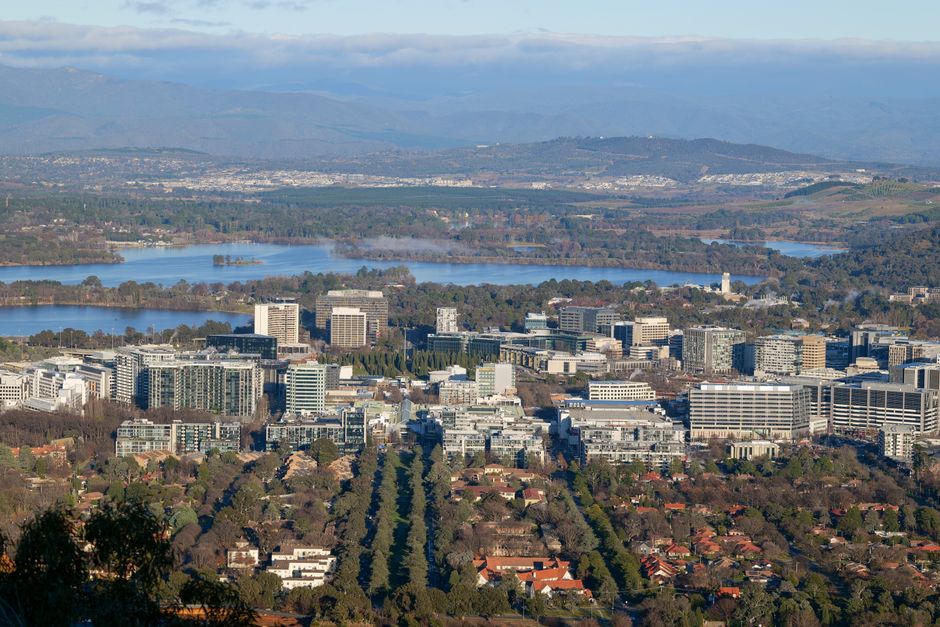
Canberra's housing crisis has reached a breaking point. With median unit prices now exceeding $650,000 and rental vacancies hovering below 1%, the question is no longer whether the city needs to act—it's what happens next that will define the next decade.
The ACT government's forthcoming revisions to the Territory Plan represent the most significant urban planning juncture Canberra has faced in years. At stake are decisions about where growth occurs, how much density is acceptable in established suburbs, and whether new housing will genuinely address affordability or simply push it further from the city centre.
The Gungahlin corridor continues to attract development attention, with new planning zones already shifting residential patterns northward. Yet established neighbourhoods like Dickson, Campbell, and Fyshwick face pressure from competing interests: heritage preservation advocates argue for measured change, while housing advocates demand medium-density development to unlock supply. The coming months will reveal how the government balances these tensions along key corridors including Northbourne Avenue and Canberra Avenue.
Infrastructure remains the unglamorous reality underlying these debates. Public transport capacity, school placement, and water management cannot be afterthoughts. The ACT Planning and Land Authority faces technical decisions about whether proposed density targets—potentially 50-70% of new housing in established areas by 2040—can realistically be supported by existing services or if major capital investment is required first.
Private sector decisions will prove equally crucial. Developers currently eyeing sites around Woden and Tuggeranong will calibrate their investments based on planning signals. Housing providers and not-for-profits are watching to see whether policy settings encourage affordable housing contributions or whether market-rate development remains the path of least resistance.
The ACT Housing Strategy consultation period will likely generate significant community feedback. Previous engagement around infill development in suburbs has revealed deep concerns about character preservation and parking, alongside recognition that the status quo is unaffordable for young families and essential workers.
Several immediate decisions loom: Whether to mandate affordable housing percentages in new developments; how aggressively to unlock granny-flat provisions; whether new greenfield sites remain viable or if urban consolidation becomes non-negotiable; and crucially, whether political will exists to implement decisions once they're made.
Canberra's planners possess genuine levers to shape outcomes. The question now is which direction the city chooses, and whether chosen frameworks will be properly resourced and enforced. The decisions made in the coming months will reverberate through the property market, rental market, and the lived experience of Canberrans for decades to come.
This article was compiled by AI from the sources linked above and screened before publishing. See our editorial standards.