News
How Canberra's Sustainability Push Stacks Up Against Global Peers
As the capital commits to net-zero targets, experts say the city's performance rivals international counterparts—but gaps remain in transport and waste management.
2 min read
News
As the capital commits to net-zero targets, experts say the city's performance rivals international counterparts—but gaps remain in transport and waste management.
2 min read
Canberra has long positioned itself as Australia's environmental showcase, but how does the nation's capital actually compare to global cities tackling the same sustainability challenges?
The answer is decidedly mixed. While Canberra's renewable energy commitments and urban planning initiatives place it among international leaders, experts say critical gaps in public transport and residential waste reduction threaten to undermine progress.
The Australian Capital Territory government's commitment to 100 per cent renewable electricity by 2025 has drawn international attention. Large-scale solar projects at Royalla and the Horsepower solar farm have positioned Canberra ahead of comparable mid-sized cities like Wellington, New Zealand, and Adelaide. By contrast, cities like Copenhagen and Stuttgart have achieved higher renewable penetration through integrated district heating and more mature cycling infrastructure.
Where Canberra falls noticeably short is transport. Despite investment in light rail along Gungahlin Drive and expansion toward Woden, the city remains car-dependent compared to European peers. Copenhagen allocates 45 per cent of road space to cyclists; Canberra's figure sits closer to 12 per cent. Local cycling advocacy groups have repeatedly called for dedicated lanes on Commonwealth Avenue and Northbourne Avenue, yet progress has been incremental.
Waste management presents another challenge. Canberra's household recycling rate hovers around 68 per cent—respectable by Australian standards but trailing cities like Munich (70 per cent) and Amsterdam (75 per cent). The closure of the Mugga Lane landfill's general waste cell in 2023 marked progress, though some environmental groups argue the transition to the Hume facility lacked the transparency of comparable European operations.
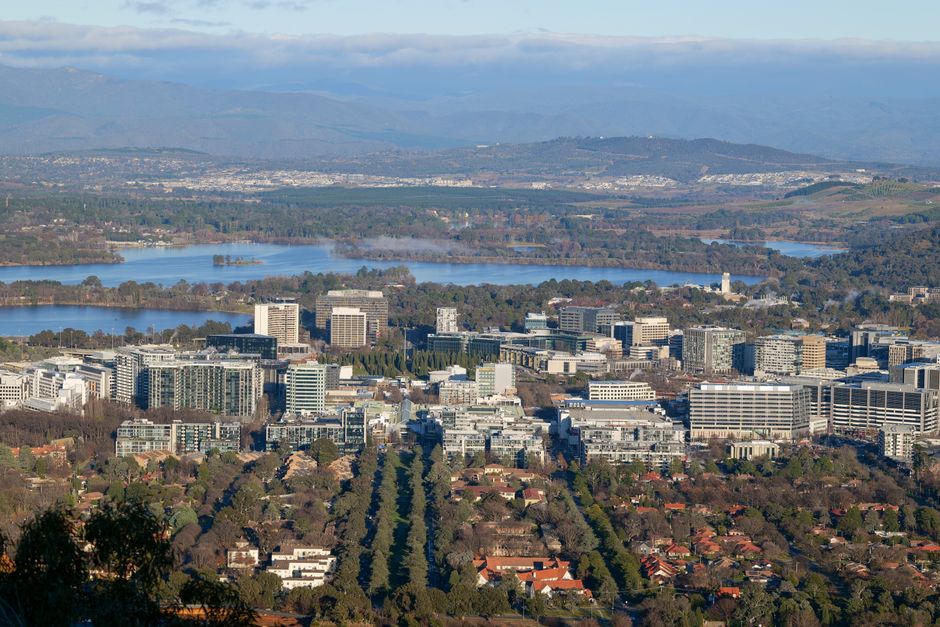
Green space tells a different story. Canberra's parks—from the lakeside trails of Lake Burley Griffin to the bushland reserves at Tidbinbilla—exceed per-capita green coverage in most global counterparts. Urban forestry initiatives have added over 15,000 trees since 2020, comparing favorably with Vancouver's similar programs.
Housing sustainability varies sharply by district. New developments in Gungahlin and Molonglo incorporate higher energy standards than older suburbs like Belconnen, creating a patchwork that mirrors challenges in Berlin and Toronto.
The verdict from sustainability researchers is that Canberra punches above its weight in renewable energy and urban design but needs accelerated investment in active transport and circular economy initiatives to genuinely rival global leaders. Whether the territory's next budget priorities will reflect that gap remains to be seen.
This article was compiled by AI from the sources linked above and screened before publishing. See our editorial standards.
News
News
News
News
About this article
Published by The Daily Canberra
Spread the word
Daily brief
Free, in your inbox before 7am. Weekdays.
The Daily Network — local news across Australia