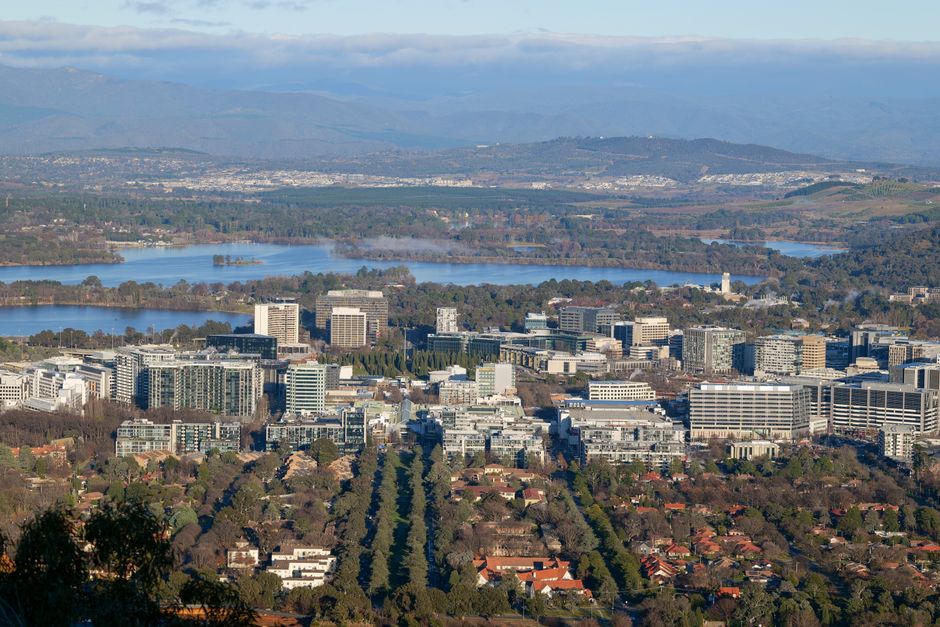
Canberra stands at a pivotal moment in its environmental journey. The ACT Government's commitment to net-zero emissions by 2030 is no longer a distant aspiration—it's a hard deadline forcing difficult decisions about how the nation's capital actually operates.
The stakes are substantial. Transport accounts for roughly 40 percent of the territory's emissions, yet expanding public transit while managing Canberra's car-dependent sprawl presents a thorny puzzle. The new rapid bus corridors along Commonwealth Avenue and Northbourne Avenue represent a significant bet, but their success depends on whether suburban residents from Tuggeranong and Gungahlin abandon private vehicles. Current patronage data suggests uptake remains modest, raising questions about whether investment in these systems will yield promised emissions reductions.
Equally contentious are decisions surrounding housing density and urban consolidation. Plans to increase dwelling numbers in established suburbs like Dickson, O'Connor and Yarralumla have generated fierce community pushback. Yet enabling low-density sprawl directly contradicts sustainability targets—more dispersed housing means longer commutes and greater energy consumption. The next 18 months will determine whether Canberra chooses growth within existing boundaries or expansion that undercuts environmental goals.
Water security presents another fork in the road. The ACT's recent investment in water recycling infrastructure signals acknowledgment that drought risk is real. The proposed expansion of recycled water schemes across Canberra represents a shift, but uptake by households remains painfully low. Whether this technology achieves meaningful adoption or becomes an expensive gesture will depend on pricing structures and community education efforts still to be finalized.
Business and industry face their own reckoning. The ACT economy remains heavily weighted toward government services, but emerging sectors in renewable energy research and sustainable technology offer potential. The question is whether investment and policy settings will actually nurture these alternatives or merely pay them lip service.
The Canberra Liberals have signaled openness to ambitious targets, yet delivery mechanisms remain vague. Concrete decisions are overdue on carbon pricing for business, subsidies for household solar adoption, and enforcement mechanisms for emissions in new construction. Without specificity, even well-intentioned policy becomes window dressing.
Perhaps most pressingly, Canberra's sustainability agenda cannot ignore equity concerns. Policies that sound sensible in inner-city venues like the Canberra Museum and Gallery play very differently in outer suburbs where transport options are limited and housing stress is acute. The coming decisions must grapple honestly with this tension, or risk a backlash that derails the entire agenda.
This article was compiled by AI from the sources linked above and screened before publishing. See our editorial standards.