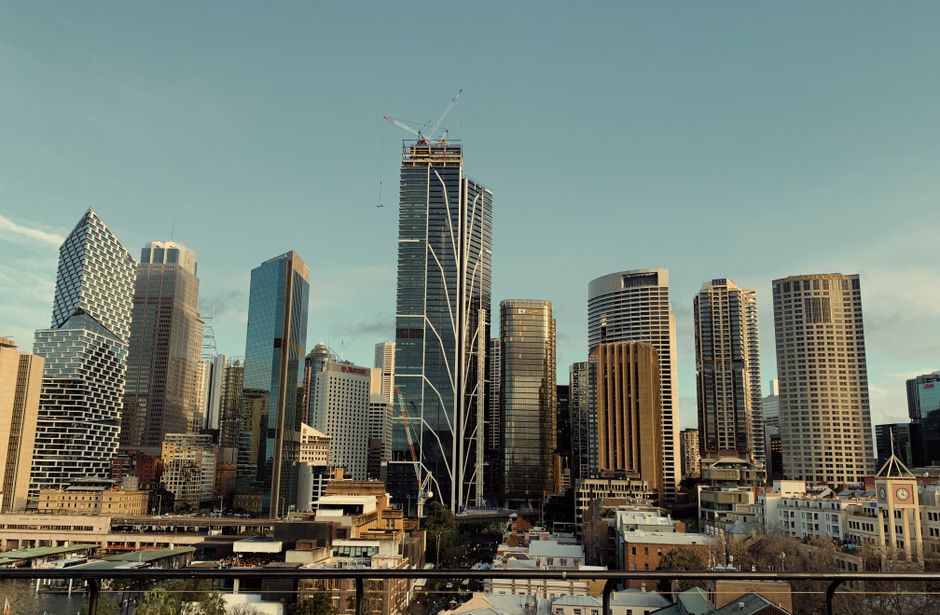
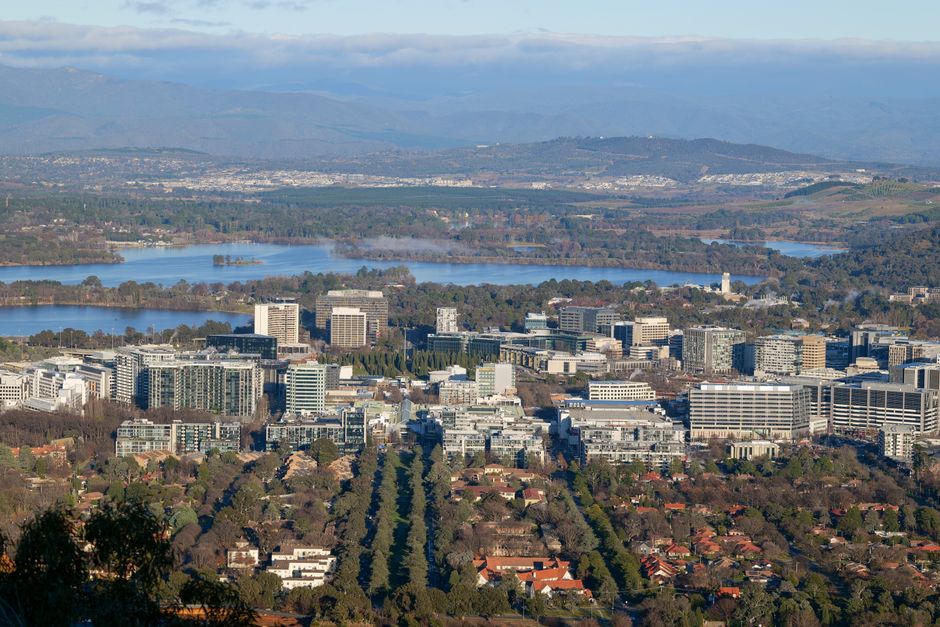
The proposed expansion of Canberra's light rail network to Woden Valley and Tuggeranong has sparked intense debate among residents and traders who will live with years of roadworks before any journey-time benefits materialise. The $2.2 billion project, expected to break ground in 2027, promises to reshape commuter patterns across the capital—but those in its path are asking hard questions about the cost of getting there.
Along Flinders Street in Woden, where pharmacies, cafes and service providers cluster, traders face uncertainty about foot traffic during construction. The corridor will require significant disruption to this commercial hub, a reality that sits uneasily with business owners already navigating post-pandemic recovery. Local cafe proprietors and medical practice managers have raised concerns with the ACT Government about construction schedules and whether temporary access arrangements will be adequate.
In the residential suburbs of Pearce and Waramanga, residents express a mix of enthusiasm and apprehension. Parents considering the future schooling and transport options for their children note that while the light rail promises reduced congestion on the Monaro Highway—currently carrying 80,000 vehicle movements daily—the three to four years of heavy machinery, noise and traffic detours presents a formidable interim challenge.
"Everyone wants better public transport," said one Woden resident who requested anonymity, reflecting a common sentiment. "But we also want to know what our streets will look like during construction and whether the benefits will actually reach people like us."
Community groups including the Canberra Cycling Network and various residents' associations have submitted formal feedback to the transport authority. Their concerns centre on pedestrian safety during works, preservation of green spaces in already-dense residential areas, and whether the project's $15 to $20 million annual operating costs represent value for money compared to alternative transport investments.
Transport Canberra and City Services has committed to quarterly community consultation forums beginning in September, though some residents question whether meaningful input at this stage can genuinely shape outcomes.
The project's success—both during construction and beyond—will likely depend on how effectively planners address these localised concerns. For Canberra's inner south communities, the light rail represents both opportunity and ordeal, a investment whose true measure will be taken not just in journey times, but in how the capital treats those asked to host its transformation.
This article was compiled by AI from the sources linked above and screened before publishing. See our editorial standards.