Finance
A newcomer's guide to Canberra's districts and town centres
How Canberra is built around a handful of self-contained districts, and what each town centre offers people settling into the capital
4 min read
Updated 2 d ago
Finance
How Canberra is built around a handful of self-contained districts, and what each town centre offers people settling into the capital
4 min read
Updated 2 d ago
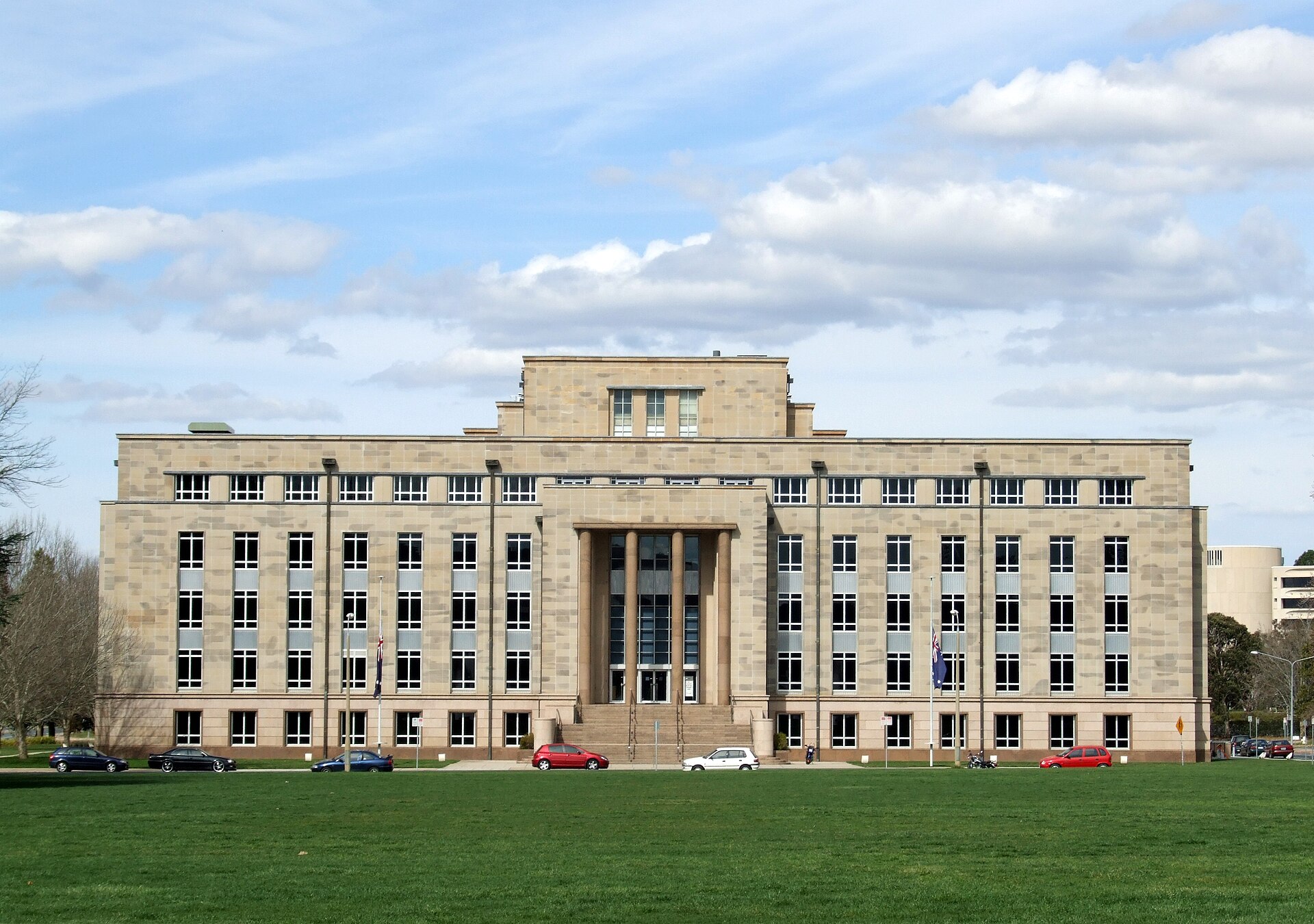
One of the first things newcomers notice about Canberra is that it does not have a single sprawling suburbia radiating from one downtown. Instead, the city is built as a cluster of distinct districts, each arranged around its own town centre with shops, offices, services and transport. Understanding that structure makes it far easier to picture where you might live, work and spend your weekends.
This layout is not an accident. In 1967 the National Capital Development Commission adopted a metropolitan structure widely known as the 'Y-Plan', which went on to guide development for more than 30 years. New towns were laid out beyond the original central city and linked by parkways, so that each district could function with a degree of independence rather than everyone funnelling into one core. Woden and Weston Creek were begun first, followed by Belconnen, then Tuggeranong, and more recently Gungahlin.
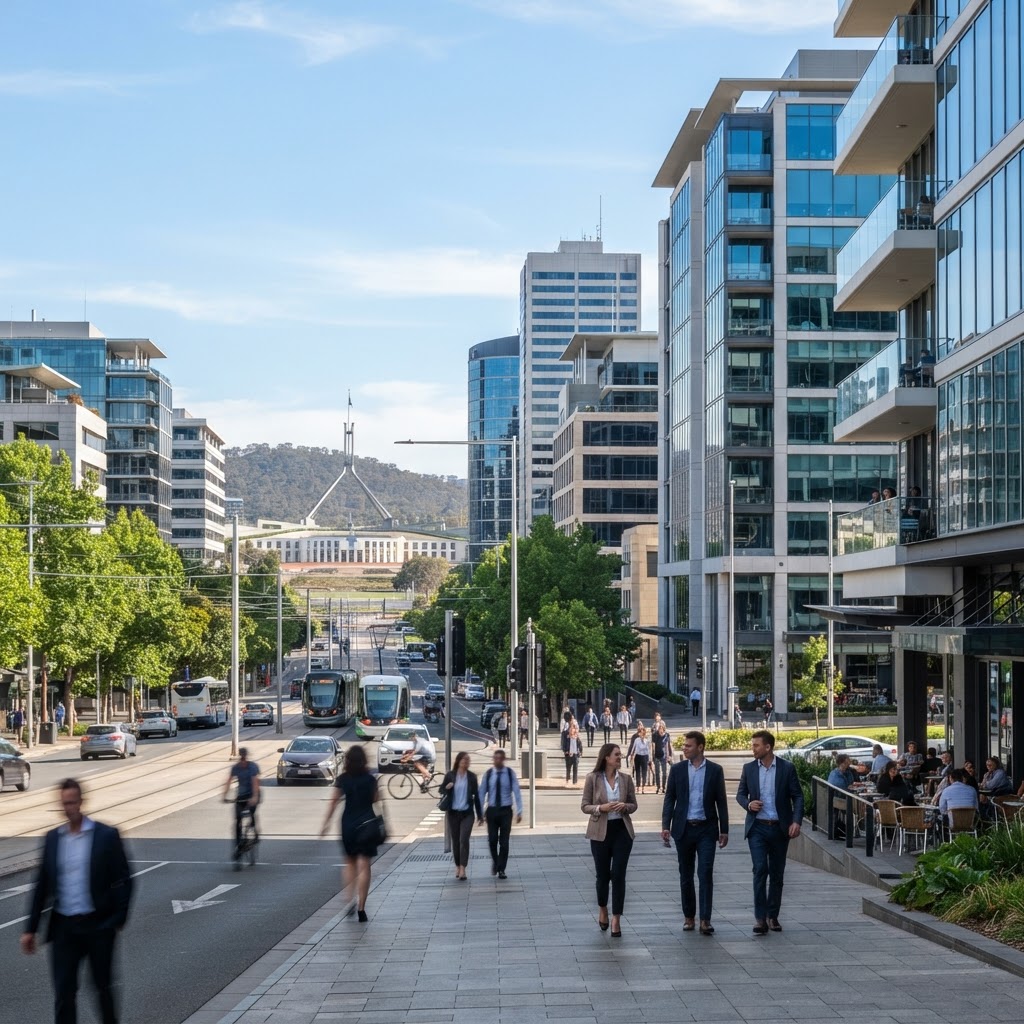
At the heart of it all is Civic, Canberra's city centre, sitting just north of Lake Burley Griffin. Civic is the capital's main commercial and cultural hub, home to the Canberra Centre shopping precinct with department stores and supermarkets, along with theatres, galleries, bars and restaurants. It is also the southern terminus of the light rail line and a major bus interchange, which makes it the easiest district to reach without a car.
Wrapped around the city are the Inner North and Inner South, Canberra's oldest residential areas. These leafy, established suburbs sit close to the lake, the national institutions and the Parliamentary Triangle, and tend to offer period homes, tree-lined streets and easy access to the centre.
Beyond the inner suburbs, several larger district town centres anchor the rest of the city:
Newer growth areas, including the Molonglo Valley between Belconnen and Weston Creek, are still filling in and adding further suburbs to the map.
Each district is made up of many individual suburbs, and most are served by a tier of smaller 'group centres' with a supermarket, pharmacy, cafes and everyday services, so daily errands rarely require a long drive. Larger town centres add bigger shopping, government offices, libraries and health services.
Getting around is straightforward once you know the shape of the city. Arterial parkways connect the districts, the public bus network links the town centres, and light rail runs between Gungahlin and Civic, with an extension towards the lake under construction. For many residents, the practical question is less about a single suburb and more about which district suits their stage of life: established inner suburbs near the centre, larger family districts like Belconnen and Tuggeranong, or the newer apartment-friendly precincts of Gungahlin.
For newcomers, the simplest approach is to start with the district, then explore its suburbs. Spend a weekend visiting a couple of town centres, walk the lakes and reserves nearby, and you will quickly get a feel for the rhythm of each part of the capital. Official planning and visitor resources are a good next step for confirming current services, transport timetables and suburb boundaries.
This article was compiled by AI and screened before publishing. See our editorial standards.
This article is general information only and is not personal financial or investment advice. Consider your own circumstances and seek licensed professional advice before making financial decisions.
Finance

Finance
Finance

Finance
Finance
Finance
About this article
Published by The Daily Canberra
Spread the word
Daily brief
Free, in your inbox before 7am. Weekdays.
The Daily Network — local news across Australia